
Main Courses
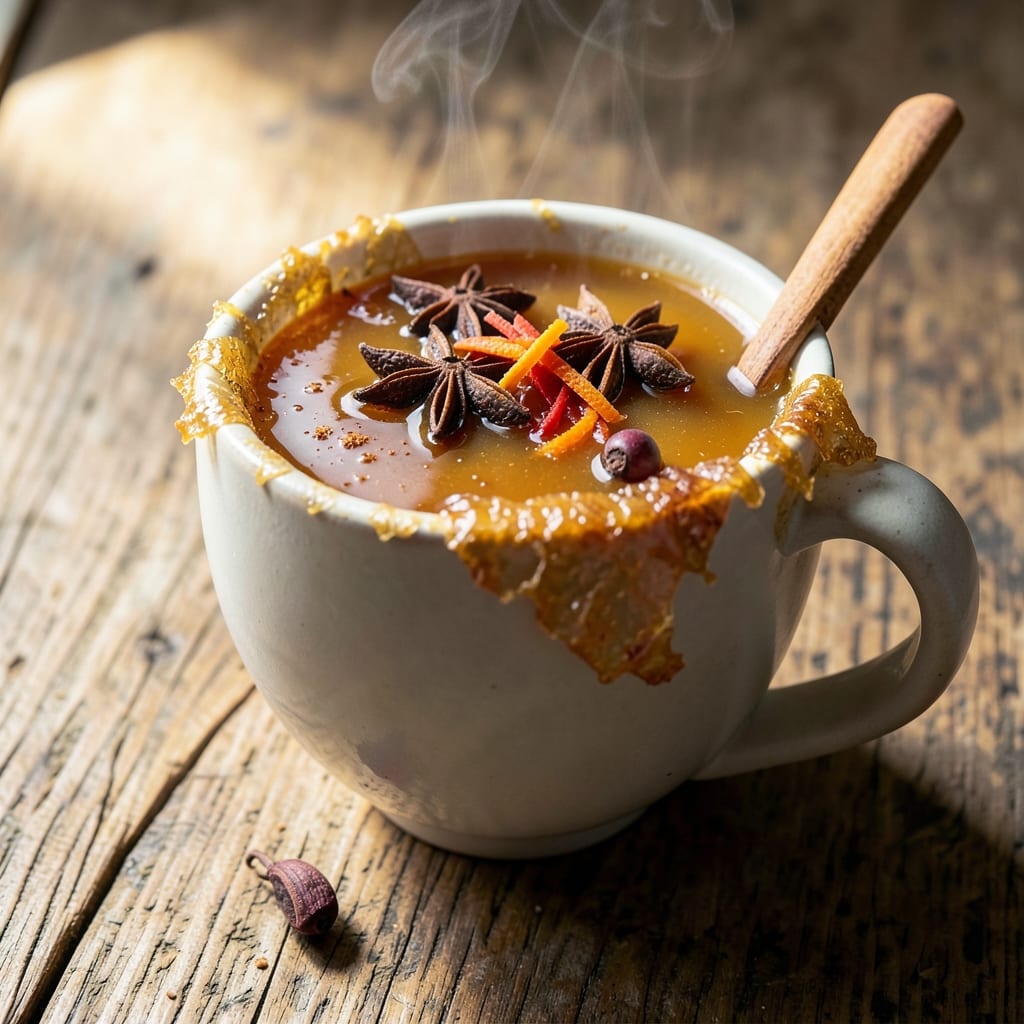
This slow-simmered apple cider sauce transforms store-bought cider into a weeknight dinner hero—rich, aromatic, and ready in under an hour. I developed this recipe after realizing how often we had leftover cider gathering dust in the fridge, and it's become a staple in my Austin kitchen. The secret lies in balancing warm spices with just the right amount of sweetness, creating a sauce that pairs beautifully with roasted meats or even as a glaze for vegetables.
The beauty of this recipe is its versatility—it works as a weeknight centerpiece or elegant side dish, depending on how you serve it. We start with store-bought cider (no need for fresh pressing) and build layers of flavor through slow simmering with cinnamon, cloves, and a touch of orange zest. The sauce thickens naturally as it reduces, creating a glossy, velvety consistency that clings perfectly to proteins or vegetables.
What you'll end up with is a deeply aromatic sauce that smells like autumn in a pot—warm spices mingling with the natural sweetness of the cider. It's the kind of dish that transforms simple weeknight meals into something special without requiring hours in the kitchen. The best part? It reheats beautifully, making it perfect for meal prep or leftovers.
Serve this sauce over roasted chicken, drizzled over mashed potatoes, or even as a glaze for pork chops. The possibilities are endless, and the flavor profile is so balanced that even picky eaters will ask for seconds. Let's get cooking—your taste buds will thank you.
Ingredients for apple cider recipe with store bought apple cider
Store-bought cider plus pantry staples—this sauce transforms simple ingredients into autumnal magic.
| Ingredient | Amount | Notes |
|---|---|---|
| Store-Bought Apple Cider 🍎 | 4 cups | Unfiltered preferred for depth |
| Unsalted Butter 🧈 | ½ cup | Cold, cubed for even melting |
| Granulated Sugar 🍚 | ½ cup | Light brown sugar for caramel notes |
| Ground Cinnamon 🌿 | 1 ½ tbsp | Freshly ground for warmth |
| Whole Cloves 🌶️ | 6 pieces | Lightly crushed for aroma |
| Orange Zest 🍊 | 1 tbsp | Freshly grated for brightness |
| Orange Juice 🍊 | ¼ cup | Freshly squeezed for acidity |
| Heavy Cream 🥛 | ½ cup | Full-fat for richness |
| Salt 🧂 | ½ tsp | Diamond Crystal preferred |
| Black Pepper 🌶️ | ¼ tsp | Freshly cracked for depth |
| Fresh Thyme Leaves 🌿 | ¼ cup | Stems removed for purity |
| Vanilla Bean 🍮 | 1 whole | Split lengthwise for seeds |
The cider makes or breaks this—Mott's or Woodchuck are my go-tos, but any unfiltered variety works. Look for bottles labeled 'unpasteurized' or 'cloudy' for that deep, complex flavor. The butter should be cold and cubed when you add it; this prevents the sauce from breaking. For the cinnamon, Penzeys or bulk bins at Whole Foods have the best quality—none of that dusty, old spice. Fresh thyme is ideal, but dried works at one-third the amount if you're in a pinch. The orange zest should be vibrant—if it smells dull, grab a new one. Pro tip: zest only the outer layer, avoiding the bitter white pith.
No heavy cream? Coconut cream works beautifully—just reduce the sugar slightly since it's sweeter. Running short on vanilla? Vanilla extract at half the amount gets you close, though the seeds add that extra dimension. The cloves can be pre-crushed with a mortar and pestle or a rolling pin, but whole works too—just don't overdo it or they'll turn bitter. Substituting sugar? Maple syrup at a 1:1 ratio adds a subtle earthiness that pairs perfectly. And if you're serving this with pork, add a pinch of nutmeg—trust me on that. The sauce thickens as it reduces, so if you prefer it glossier, stir in an extra tablespoon of cream at the end.
This sauce reheats like a dream—simmer gently for 3-4 minutes on the stove, or zap for 20 seconds in the microwave. Store it in a glass jar in the fridge for up to 1 week, or freeze it in ice cube trays for single-serving portions. The flavors actually deepen overnight, so leftovers are even better. If you make a big batch, portion it into small containers—it's perfect for drizzling over oatmeal, roasted veggies, or even pancakes. And if you've got extra cider left after making the sauce? Reduce it further with a splash of water and a pinch of salt for a quick pan sauce.
Why You'll Love This Recipe
- Pantry Magic: I swear by this recipe when I’ve got nothing but store-bought cider and a few basics. No fancy prep—just heat, stir, and let the cinnamon and cloves do their work. The butter melts right in, creating this velvety-smooth texture that tastes like autumn in a mug.
- Spice-Perfect Balance: That first sip? Warm, rich, and just sweet enough to make you forget you didn’t simmer fresh apples. The cloves add a subtle depth, while the cinnamon gives it that cozy, nostalgic kick—like a hug in liquid form.
- Weeknight & Holiday: Between us, this is my go-to for lazy Sundays or when unexpected company shows up. Pour it over vanilla ice cream for dessert, or serve it steaming in mugs during a chilly evening. It’s that kind of recipe—simple enough for weeknights but fancy enough for guests.
- Zero-Waste Winner: I make a big batch and keep it in the fridge for days. The flavors only get better as it sits, and it’s cheap—store-bought cider lasts forever, and the spices cost pennies. Plus, leftovers turn into pancake syrup or a quick glaze for roasted veggies. Multitasking at its finest.
Step-by-step instructions for slow-simmered spiced apple cider sauce
Transform store-bought cider into a rich, aromatic sauce perfect for weeknight meals.
Infuse the Cider with Warm Spices
In a large, heavy-bottomed saucepan, combine the 4 cups store-bought apple cider, the 0.5 cup granulated sugar, the 1.5 tablespoons ground cinnamon, the 6 whole cloves, and the 1 tablespoon orange zest. Bring to a gentle boil over medium heat, then immediately reduce to a simmer. Here's the thing—you want the cider to bubble softly, not vigorously, to prevent scorching.
Let it simmer uncovered for 30 minutes, stirring occasionally. You'll notice the aroma intensify as the spices release their oils into the liquid. The cider should reduce slightly, becoming more concentrated and fragrant. I press the cloves gently with a wooden spoon every few minutes to maximize their flavor infusion. Watch for a deep amber color and the scent of warm spice cakes—this is your signal the infusion is working.
Build Depth with Orange and Vanilla
After 30 minutes, stir in the 0.25 cup orange juice and the seeds from the split vanilla bean. The acidity from the orange juice brightens the sauce, while the vanilla adds a subtle floral note that rounds out the spice profile. Let the mixture continue simmering gently for another 10 minutes, uncovered. You'll see the sauce thicken slightly as the liquid reduces further.
Here's where it gets fun—the sauce should develop a glossy sheen and a complex aroma that combines spice, citrus, and vanilla. If you taste it now, you'll notice the balance between sweetness, acidity, and warmth. The cloves should be soft enough to press with a spoon, indicating they've fully infused their flavor. Remove from heat at this point—you don't want to over-reduce the sauce.
Finish with Cream and Seasoning
Reduce the heat to low and whisk in the 0.5 cup cold, cubed unsalted butter and the 0.5 cup heavy cream. The butter should melt gradually, creating a silky texture. Stir in the 0.25 cup fresh thyme leaves, the 0.5 teaspoon salt, and the 0.25 teaspoon black pepper. Let the sauce simmer gently for 5 more minutes, stirring frequently, until it reaches your desired consistency—it should coat the back of a spoon but remain pourable.
This is the moment that matters: the sauce should be velvety with a beautiful sheen, not thin or watery. If it's too thick, add 1-2 tablespoons of water or apple cider to loosen it. The thyme adds an earthy depth that complements the sweetness, while the pepper provides a subtle warmth. Taste and adjust seasoning—you might need a touch more salt or cinnamon to balance the flavors.
Strain and Serve Warm
Line a fine-mesh strainer with cheesecloth or a coffee filter and pour the sauce through it, pressing gently on the solids to extract all the flavor. Discard the strained spices and thyme stems—they've done their job. Return the strained sauce to the saucepan and keep it warm over very low heat, stirring occasionally. This sauce is best served warm, so don't let it sit too long before using.
For weeknight dinners, this sauce pairs beautifully with roasted pork tenderloin, grilled chicken, or even as a dipping sauce for fresh bread. The richness of the butter and cream balances the acidity of the cider, while the spices and citrus keep it bright and inviting. Store any leftovers in an airtight container in the refrigerator for up to 5 days, though I doubt it'll last that long—it's too good to resist!
Pro Tips For Making Apple Cider Recipe With Store Bought Apple Cider
- Simmer Slowly: Store-bought cider heats up faster than you’d expect—keep it at a gentle bubble, not a rolling boil. I learned this the hard way when my first batch turned into a sticky mess on the bottom of the pot.
- Toast the Spices: Whole cloves and cinnamon taste better when warmed first—drop them into a dry pan for 30 seconds until fragrant. This isn’t just about flavor; it’s about making sure they actually infuse the cider instead of floating on top like lazy guests.
- Skip the Over-Sweetening: Start with half the sugar called for and taste as you go. Cider varies in tartness, and you can always add more, but you can’t take it out. (Yes, even if you’re impatient like me.)
- Use Cold Butter: Cut the butter into chunks and add it off the heat—this keeps the sauce from breaking or curdling. Stir it in at the very end, and it’ll melt smoothly into a velvety finish. No one wants grainy butter in their cider.
Flavor customization for this apple cider recipe with store bought apple cider
Spice Level Boost
For a kick, add ½ teaspoon cayenne pepper or 1 tablespoon chipotle powder when simmering the cider. I love this with Mott's cider—the heat cuts through the sweetness beautifully. If you're feeling adventurous, try ½ teaspoon smoked paprika for a BBQ-inspired twist. 🌶️
Citrus Variations
Swap orange zest for lemon or lime zest—the acidity brightens the sauce in different ways. I once used 1 tablespoon lemon zest plus 1 teaspoon lemon extract> for a tangy, summery vibe. For depth, add ½ teaspoon cardamom> alongside the cinnamon—it’s a Middle Eastern-inspired twist that works surprisingly well.
Herb Infusions
Swap thyme for rosemary or sage>—both add earthy notes that pair perfectly with roasted meats. I’ve also used ½ teaspoon dried tarragon> for a French bistro feel. Fresh herbs like cilantro or mint> work beautifully if you’re serving this with Mexican-inspired dishes—just add them at the very end to preserve their brightness.
Sweetness Adjustments
Reduce sugar to ¼ cup> if your cider is already sweet (like Woodchuck>), or increase to ⅔ cup> for a deeper caramel flavor. For a maple twist, replace sugar with ½ cup pure maple syrup>—it adds a subtle earthiness. If you’re feeling fancy, stir in 1 tablespoon honey> at the end for a floral finish.
Creamy Alternatives
Heavy cream too rich? Use coconut cream> for a dairy-free option (reduce sugar slightly). For a lighter texture, stir in ½ cup Greek yogurt> at the end—it adds tang and protein. If you’re making this for a holiday gathering, try ½ cup mascarpone cheese> for a luxurious, spreadable version. 🥛
Seasonal Twists
In fall, add ½ teaspoon nutmeg> and ¼ teaspoon allspice> for classic pumpkin spice vibes. For winter, infuse with 1 cinnamon stick> and 2 star anise pods> while simmering. In summer, swap spices for ½ teaspoon ginger> and 1 tablespoon honey>—it’s surprisingly refreshing over grilled fish.
Nutrition facts
Frequently asked questions
Can I use this sauce as a glaze for meats?
This sauce works beautifully as a glaze for pork chops, chicken thighs, or even salmon. Brush it on during the last 5-10 minutes of roasting or grilling for a sticky, caramelized finish. The spices and citrus will complement the meat perfectly, while the creaminess adds a luxurious touch.
What if I don’t have fresh thyme or vanilla bean?
No problem! Use ½ teaspoon dried thyme instead of fresh, or swap the vanilla bean for 1 teaspoon vanilla extract. The flavor won’t be identical, but it’ll still taste delicious. For a budget-friendly option, skip the vanilla entirely and add an extra pinch of cinnamon for warmth.
How can I make this sauce ahead of time?
This sauce actually tastes better the next day! Make it up to 3 days in advance and store it in an airtight container in the fridge. Reheat gently over low heat, stirring occasionally, until warmed through. For longer storage, freeze it in ice cube trays—perfect for single-serving portions or quick meal prep.
Can I make this sauce in a slow cooker?
Yes! Combine all ingredients except the butter and cream in your slow cooker on low for 3-4 hours. Stir in the butter and cream during the last 30 minutes to finish. The slow cooking enhances the spices beautifully, making it even more aromatic. Just be sure to strain it before serving.
Why did my sauce turn out too thin?
If your sauce is too thin, it likely didn’t reduce enough. Next time, simmer uncovered for 10-15 extra minutes to thicken it naturally. For an instant fix, whisk in 1 tablespoon cornstarch mixed with 1 tablespoon water and simmer for another 2-3 minutes until thickened. Avoid over-reducing, though—you want a glossy, pourable consistency, not a paste.