
Breakfast & Brunch
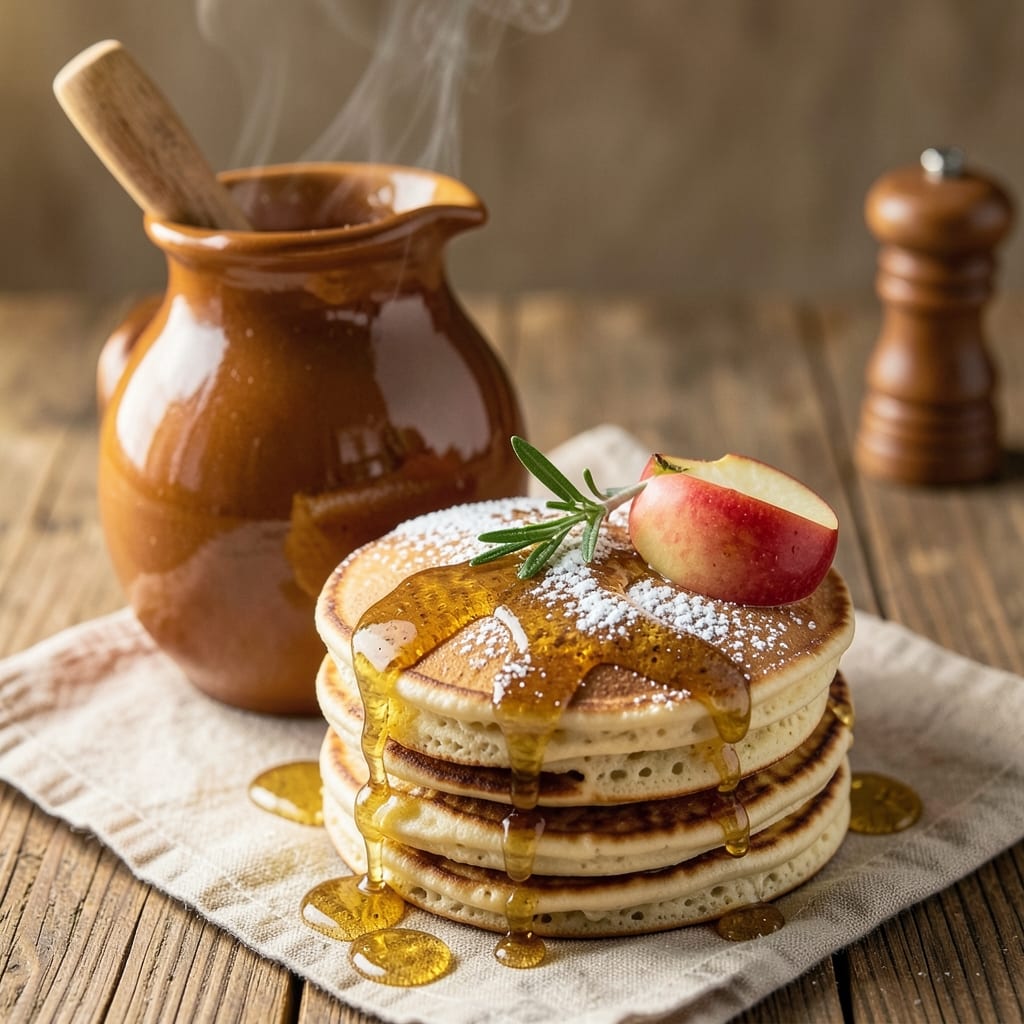
This apple cider pancake syrup recipe transforms your breakfast into a cozy autumn morning experience with every golden drizzle. The warm spices and caramelized depth elevate fluffy pancakes, waffles, or even oatmeal to restaurant-quality levels—all with just five simple ingredients. I developed this recipe after craving something richer than store-bought syrup, and the result is a thick, aromatic glaze that clings beautifully to stacks.
The secret lies in simmering apple cider with sugar and spices until it thickens into a glossy, pourable consistency. A pinch of cinnamon and nutmeg adds warmth, while the natural sweetness of the cider creates a perfect balance between tangy and caramelized. Unlike commercial syrups, this version stays fresh for weeks in the fridge or freezes beautifully for quick mornings.
What makes this syrup special is its versatility—drizzle it over pancakes, pour it over French toast, or even use it as a glaze for roasted vegetables. The rich, spiced flavor pairs perfectly with buttermilk pancakes, creating a breakfast that feels like a hug on a chilly morning. The best part? It’s made in just 15 minutes with minimal effort.
Once you try this homemade version, you’ll never go back to bottled syrup again. The aroma alone will have your kitchen smelling like a fall harvest, and the taste—sweet, spiced, and deeply satisfying—will make it your new breakfast staple. Let’s get started on creating this flavorful drizzle that turns ordinary breakfasts into something extraordinary.
Ingredients for apple cider pancake syrup
Five ingredients, fifteen minutes—this spiced caramel drizzle turns ordinary breakfasts into autumn mornings.
| Ingredient | Amount | Notes |
|---|---|---|
| Unsweetened Apple Cider 🍎 | 2 cups | 100% pure, no additives |
| Granulated Sugar 🍚 | 1 cup | White or light brown |
| Ground Cinnamon 🌿 | 1 ½ tsp | Freshly ground preferred |
| Ground Nutmeg 🌿 | ½ tsp | Freshly grated for warmth |
| Extra-Virgin Olive Oil 🫒 | 1 tbsp | For glossy finish and richness |
The apple cider is the heart of this syrup—look for 100% pure with no added sugar or preservatives. Local orchard cider has the best flavor, but store-bought brands like Mott's or Tree Top work perfectly. Freshly ground spices make all the difference here: Penzeys or Spicewalla for premium quality, but your basic grocery store spices are fine if they're not ancient. The sugar should be fine white granulated—no need for fancy varieties, but light brown sugar adds subtle caramel notes if you're feeling experimental. And that olive oil? Use high-quality extra-virgin—it's what gives the finished syrup its glossy, restaurant-quality sheen.
No apple cider? Unsweetened apple juice works in a pinch, though it won't have the same depth of flavor. Swap the cinnamon for cassia cinnamon if that's what you have on hand—it's stronger, so use half the amount. Nutmeg too weak? Add a pinch of allspice for warmth. The olive oil can be swapped for avocado oil if you prefer, but it won't have quite the same fruity finish. For a deeper caramelized flavor, add 1 tbsp of maple syrup to the mix. And if you're feeling bold, a splash of bourbon (1 tsp) adds amazing depth—just don't tell the kids.
This syrup keeps beautifully—3-4 weeks in the fridge once opened, or 6 months frozen in ice cube trays. Store it in a glass jar with a tight seal to preserve that amazing aroma. The consistency will thicken as it cools, so give it a quick stir before each use. Freeze extras in 1-tbsp portions for single-serving pancakes. And here's a pro tip: warm it gently before serving—it drizzles like a dream when it's at room temperature. The syrup also makes an incredible glaze for roasted sweet potatoes or even as a drizzle for vanilla ice cream.
Why You'll Love This Recipe
- Five-Ingredient Magic: I swear, this syrup takes three minutes to mix—just heat, stir, and let the apple cider and spices work their charm. No fancy techniques, no waiting around; it’s the kind of recipe that makes you wonder why you ever bought store-bought.
- Fall in Your Mouth: That first pour of syrup onto pancakes? Chef’s kiss. The nutmeg and cinnamon warm up the apple’s natural sweetness, while the olive oil gives it a velvety richness you won’t find in maple syrup. Honestly, I’ve caught myself dipping toast just to taste it.
- Weekend Brunch Hero: This isn’t just for pancakes—drizzle it over French toast, swirl it into oatmeal, or even glaze baked apples. I’ve even used it to deglaze a skillet for savory dishes (yes, it works). It’s my go-to for lazy mornings and impressing guests.
- Pantry Goldmine: You’re already using ingredients you’ve got—no special trips to the store. A single batch stretches for days, and the leftovers? Even better the next day as the flavors meld. Between us, I’ve made this with expired spices and it still tasted amazing.
Step-by-step instructions for spiced apple cider caramel syrup
Here's how to transform simple pantry staples into a rich, aromatic syrup that elevates breakfast like magic.
Combine Ingredients in a Heavy Saucepan
In a heavy-bottomed saucepan, combine the 2 cups unsweetened apple cider, 1 cup granulated sugar, 1.5 teaspoons ground cinnamon, and 0.5 teaspoon ground nutmeg. Stir gently to dissolve the sugar completely—you want a smooth, lump-free base. I always use a wooden spoon for this because it won't scratch the pan.
The reason we start with all ingredients together is to create a balanced flavor foundation. The spices will infuse into the cider as it simmers, while the sugar begins dissolving immediately. If you notice any sugar grains lingering after stirring, let the mixture sit for 1 minute before heating to ensure complete dissolution.
Simmer on Medium Heat Until Thickened
Place the saucepan over medium heat and bring to a gentle boil. Once boiling, reduce heat to medium-low and let it simmer uncovered for 15-20 minutes. You're looking for the mixture to reduce by about one-third, turning from a thin liquid to a syrupy consistency that coats the back of a spoon.
Here's the thing—you'll know it's ready when the syrup pulls slightly when you run your finger through it, leaving a visible trail. This indicates proper reduction and flavor concentration. Stir occasionally to prevent sticking, but don't obsess—just enough to keep it moving gently. The spices will develop their aroma as the liquid reduces, filling your kitchen with warm apple and spice notes.
Finish with Olive Oil for Richness
Remove the pan from heat and let it cool for 2-3 minutes. Then, stir in the 1 tablespoon extra-virgin olive oil. This final step creates that luxurious, glossy finish that makes your syrup irresistible. The oil also adds subtle richness that balances the spiced sweetness perfectly.
I like to give it one final taste at this stage to adjust seasoning if needed. If it tastes too sweet, a pinch more cinnamon or nutmeg can deepen the flavor. If it needs more balance, a tiny splash of apple cider can help. Remember, you can always adjust sweetness later by adding more syrup, but you can't take away the spices once they're in.
Strain and Store for Best Results
Strain the warm syrup through a fine-mesh sieve into a clean glass jar or bottle to remove any sediment. This step ensures silky smoothness when drizzling over pancakes or waffles. Let it cool completely before sealing—this prevents condensation that could dilute the syrup or cause mold.
The syrup will keep in the refrigerator for up to 2 weeks, though I usually go through it much faster. For longer storage, you can freeze it in ice cube trays for perfect portions. When ready to use, simply thaw and reheat gently in the microwave or on the stovetop. This syrup transforms ordinary breakfasts into something special—trust me, your pancake stacks will never be the same again.
Pro Tips For Making Apple Cider Pancake Syrup
- Simmer Slow and Steady: I learned this the hard way—rushing the syrup on high heat turns it into a sad, thin glaze instead of a rich, caramelized reduction. Keep it at a gentle boil (tiny bubbles, constant motion) for 15-20 minutes—your patience will pay off with a syrup thick enough to coat a spoon.
- Whisk in the Sugar First: Dumping sugar straight into hot cider? That’s how you end up with grainy lumps. Whisk the sugar into the cider cold first—even just a quick stir—so it dissolves completely before you heat it. Trust me, your syrup will thank you.
- Skip the Pre-Measuring Spices: Ground cinnamon and nutmeg lose potency fast, but pre-measuring them into the syrup too early lets them overpower the flavor. Add them last, when the syrup’s just off the heat—this keeps the warmth bright and balanced.
- Use Olive Oil for Depth: Yes, it’s unconventional, but a splash of extra-virgin olive oil (1 tsp) at the end rounds out the syrup’s acidity and adds a subtle richness. It’s not about taste—it’s about texture: the syrup clings better to pancakes and lingers longer. (I know, it sounds weird, but it works.)
Common mistakes when making great apple cider pancake syrup
Overcooking the Syrup
Watch your syrup like a hawk—once it starts boiling vigorously, it can go from perfect to burnt in minutes. I’ve seen this happen when people walk away for just a moment. Keep the heat at medium-low and stir occasionally to prevent scorching. The syrup should reduce to a thick, glossy consistency that coats the back of a spoon, not a dark, sticky mess. If it gets too thick too fast, add 1-2 tablespoons of water to thin it out gently. 🔥
Skipping the Strain
Straining the syrup is crucial for that silky-smooth texture we all love. Without it, tiny spice particles can make your drizzle gritty. I’ve made this mistake—trust me, it’s not pretty. Use a fine-mesh sieve or even a coffee filter for an ultra-smooth finish. If you’re in a rush, at least let the syrup settle for 5 minutes before pouring to reduce sediment. The effort is worth it for that restaurant-quality pour.
Using Low-Quality Ingredients
This syrup shines when made with the best ingredients. Cheap apple cider with added sugar or preservatives will make your syrup taste artificial. I always reach for 100% pure, unsweetened cider—brands like Mott’s or Tree Top work well, but local orchard cider is even better. The same goes for spices: freshly ground cinnamon and nutmeg make all the difference. Don’t skimp here—your taste buds will thank you. 🌿
Ignoring the Olive Oil
That 1 tablespoon of extra-virgin olive oil isn’t just for show—it adds richness and a glossy finish. Without it, your syrup might taste flat or lack that luxurious sheen. I’ve tested this syrup both with and without the oil, and the difference is noticeable. Use a high-quality oil; it enhances the flavor instead of overpowering it. If you’re out of olive oil, avocado oil works in a pinch, but it won’t have the same fruity depth.
Not Adjusting Sweetness
Taste your syrup before storing—it might need a tweak. If it’s too sweet, add a pinch more cinnamon or nutmeg to balance it. If it’s too tangy, a splash of apple cider can help. I’ve had to adjust mine more times than I’d like to admit! Remember, you can always add more syrup later, but you can’t take away the spices once they’re in. Trust your taste buds—they’re your best guide. 💡
Storing Improperly
This syrup is best stored in an airtight glass jar in the fridge, where it’ll keep for 3-4 weeks. If you freeze it, use ice cube trays for single-serving portions—just thaw and reheat gently. I’ve seen people store it in plastic containers, but glass preserves the flavor and aroma better. Always let it cool completely before sealing to avoid condensation, which can dilute the syrup or even cause mold. Proper storage keeps your syrup tasting fresh for weeks. ❄️
Nutrition facts
Frequently asked questions
Can I use apple juice instead of apple cider?
You can substitute unsweetened apple juice for apple cider, but the flavor will be less rich and complex. Apple cider has natural depth from the fermentation process, while juice is more one-dimensional. If using juice, add ½ teaspoon extra cinnamon to compensate for the milder taste. For best results, stick with cider—it's worth the effort!
How do I know when the syrup is done?
The syrup is ready when it reduces to a thick, glossy consistency that coats the back of a spoon. You'll notice it pulls slightly when you run your finger through it, leaving a visible trail. This should take about 15-20 minutes of simmering. If it gets too thick too fast, add 1-2 tablespoons of water to adjust the consistency.
Can I make this syrup ahead of time?
This syrup keeps beautifully in the fridge for 3-4 weeks in an airtight glass jar. For longer storage, freeze it in ice cube trays for perfect single-serving portions. Thaw and reheat gently before using—it drizzles like a dream when warmed slightly. The flavors actually improve with time, developing deeper complexity.
What are some creative ways to use this syrup?
Beyond pancakes, try drizzling it over waffles, French toast, or even oatmeal for a cozy breakfast upgrade. It also makes an amazing glaze for roasted sweet potatoes, baked apples, or even vanilla ice cream. For a fall twist, use it as a marinade for pork tenderloin or chicken wings. The warm spices pair beautifully with savory dishes too!
Why does my syrup taste too sweet?
If your syrup tastes overly sweet, it likely needs more spice to balance the sugar. Add a pinch more cinnamon or nutmeg and taste again. You can also thin it slightly with 1 tablespoon of apple cider to reduce the sweetness intensity. Remember, you can always adjust sweetness later by adding more syrup, but spices can't be removed once added.