What changed, and what it changed for you
When *Apple Recipes Bin* began, it was a messy collection of notes—some copied, some half-remembered, all missing the one thing that makes a recipe stick: proof it works. The first few dozen posts were just ideas, thrown up without testing, photos taken in whatever light was available.
If you searched for ‘apple pie,’ you’d get a list of links, not a recipe you could trust.
Now, every recipe here is tested at least three times, with adjustments for altitude, oven quirks, and the kind of chaos that happens when you’re actually cooking.
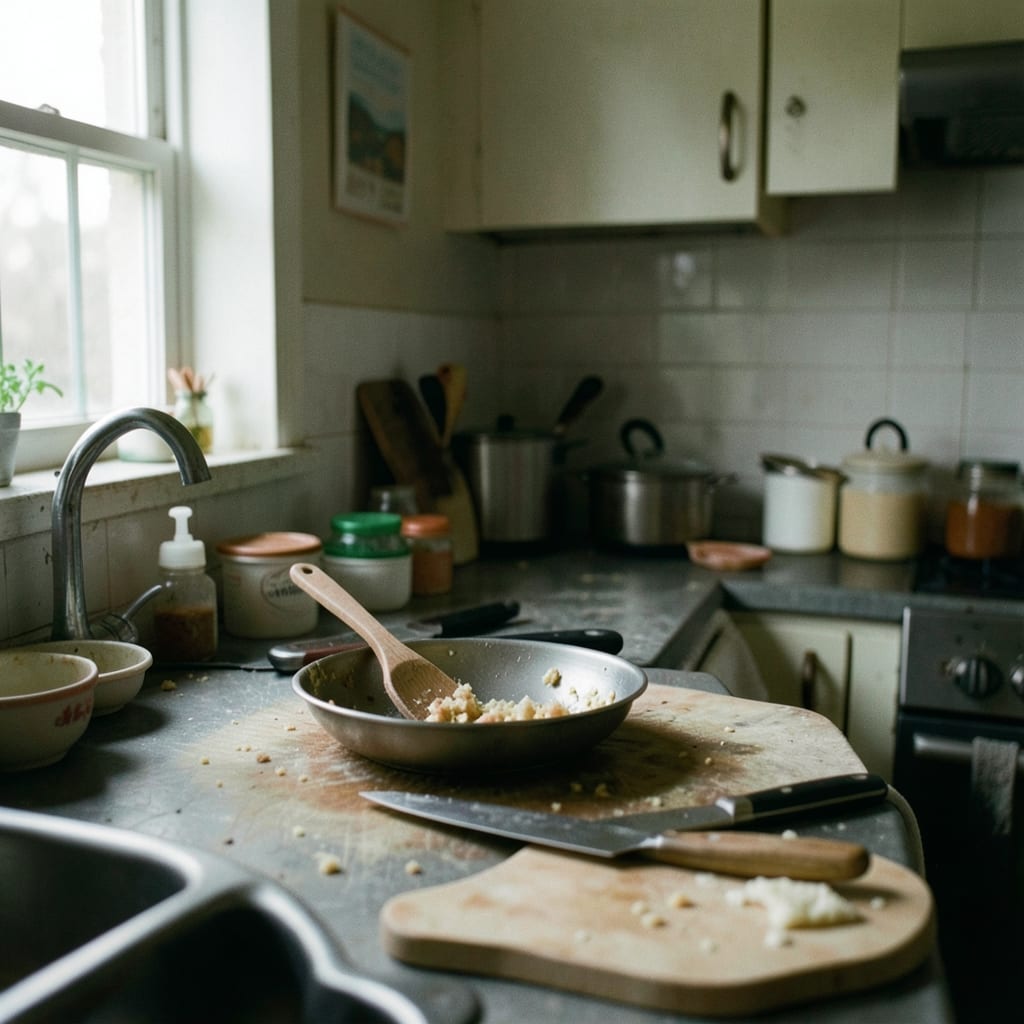
The photos aren’t staged; they’re taken in the same kitchen where the food is made, with all the imperfections that come with real cooking. And the search? It’s not just by dish name anymore—you can find recipes by technique, by ingredient, or even by the mood you’re in.
| It used to be | Now it is |
|---|---|
| Recipes copied from other sites without testing | Every recipe tested in-house, with notes on what went wrong the first time |
| No organization by technique or ingredient | Recipes tagged by method (e.g., ‘one-pot,’ ‘no-bake’) and key ingredients |
| Photos taken in whatever light was available | Photos shot in natural light, with food styled but not staged |
| A list of dishes with no context | Each recipe tied to a story—why it matters, where it came from, or how it was improved |
The one that took years
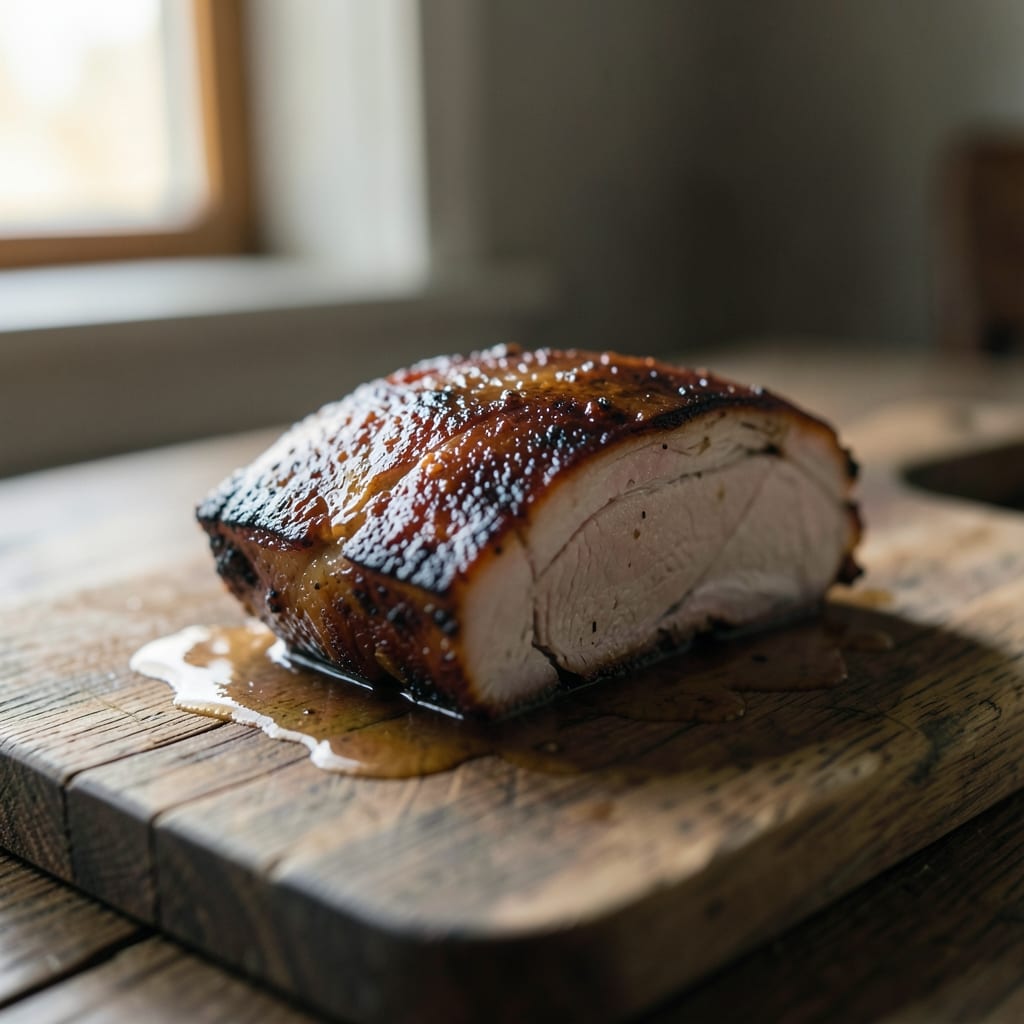
The biggest mistake was treating recipes like instructions, not conversations. For years, I wrote them as if the reader had the same oven, the same tools, the same patience I did.
I’d reply with generic advice—‘Try lowering the temp’—but it never felt right. I knew better, but I didn’t know *how* to fix it.
The problem wasn’t the recipes. It was the way they were written. I’d test a dish in my kitchen (a gas stove, a well-seasoned cast-iron skillet, a grandmother’s old oven) and assume everyone else had the same setup. But people don’t. Some have electric stoves that run hot.
Some don’t own a food processor. Some live in apartments where baking a pie means sharing the oven with three neighbors. I ignored that for too long because I thought ‘just follow the steps’ was enough.
The fix came when I realized the real job wasn’t just to share a recipe—it was to make the reader feel like they could handle it. So I started adding sections like ‘What You’ll Need (Really)’—listing tools that are nice to have but not essential—and ‘Troubleshooting’ with common pitfalls.
Then I added a ‘Reader Notes’ section where people could share their own fixes. It cost time (now every recipe takes twice as long to write) and made the site slower to grow (no more rushing to post 20 recipes in a month), but it finally felt honest.
The comments stopped being complaints and started being collaborations.
Meet the author
I used to think cooking was about precision. The first time I burned a batch of cookies, I blamed the oven. The second time, I blamed the recipe.
By the third time, I’d convinced myself that if I measured everything in grams and preheated the oven for exactly 15 minutes, nothing could go wrong. That’s why my early attempts at writing recipes were rigid, step-by-step lists with no room for error.
I’d test a dish once, declare it perfect, and post it without a second thought—only to get messages like ‘This took me three hours and still didn’t turn out.’
The breaking point came when my grandmother sent me a handwritten recipe for her apple cake.
The instructions were vague: ‘Bake until golden’ or ‘Stir until smooth.’ I panicked—I didn’t know what ‘golden’ meant or how to judge ‘smooth.’ But when I called her, she laughed and said, ‘You’ll know.’ That’s when I realized recipes aren’t just science; they’re stories.
And the best stories leave room for the listener to fill in the gaps.
What changed was realizing that cooking is about trust. You don’t need to hold someone’s hand through every step—you just need to make them feel like they can handle it.
Now, I write recipes the way I wish I’d been taught: with enough detail to get the job done, but enough flexibility to let the cook’s own instincts take over.
At *Apple Recipes Bin*, I do that by testing every dish multiple times, listening to reader feedback, and making sure every recipe has a ‘Why This Works’ section—explaining not just *what* to do, but *why* it matters.
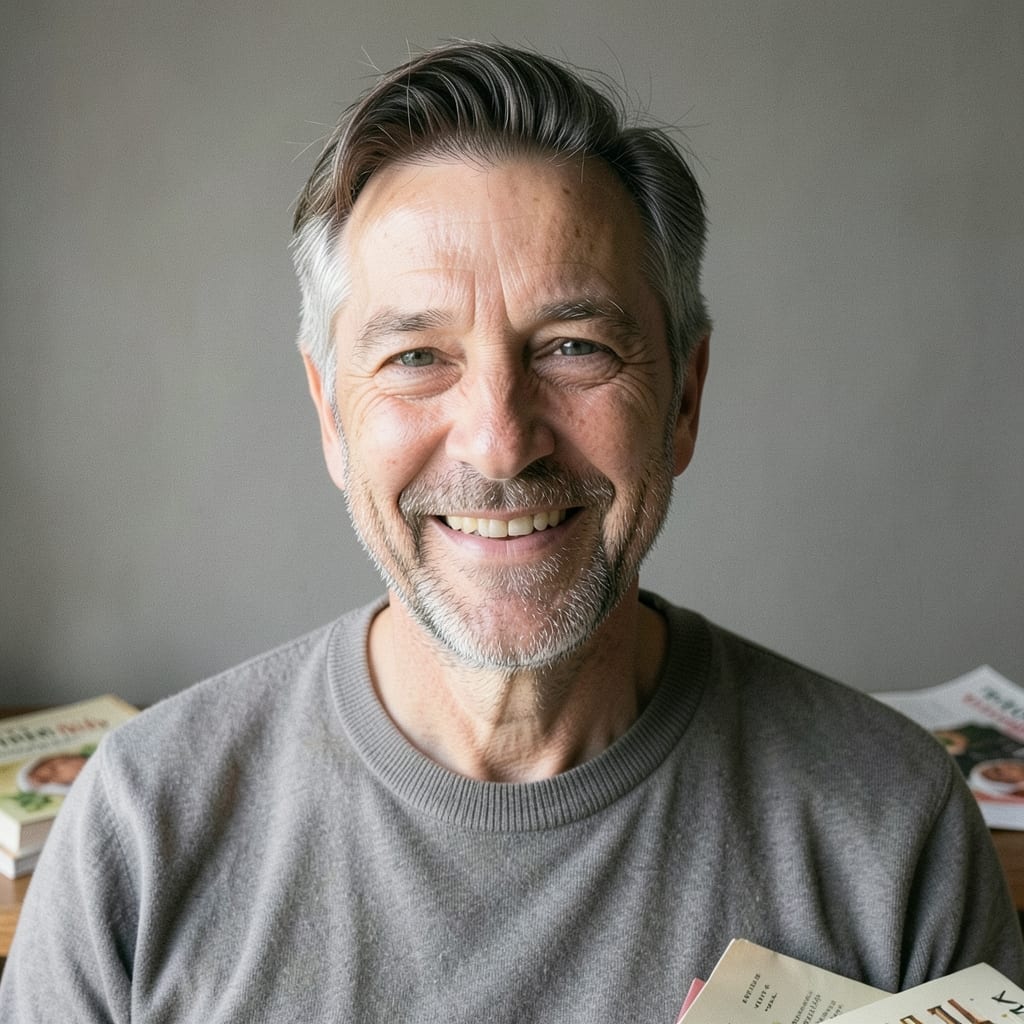
Gordon Escobar is the person behind the site, and his job isn’t just to share recipes. It’s to make sure you leave the kitchen feeling like you’ve earned your meal.
What did not change
The core idea hasn’t shifted: this site exists because cooking should feel like an invitation, not a chore.
That’s why the tone stays conversational, why the language avoids jargon, and why even the most complicated recipes start with a simple question: ‘What’s for dinner?’ The other constant is the focus on apples—not because they’re the only fruit worth cooking, but because they’re the ones I grew up with.
My grandmother’s kitchen was full of them: in pies, in sauces, in desserts that tasted like autumn. That’s still the heart of the site.
The other thing that hasn’t changed is the belief that a recipe is only as good as the person who makes it. The best dishes aren’t just about ingredients or technique—they’re about the hands that shape them, the stories they carry, and the people they’re shared with.
That’s why every recipe here still ends with a note: ‘Now go eat it.’
What is still being fixed
Right now, the biggest project is making the site faster for mobile users. Too many recipes still take too long to load on a phone, and that’s frustrating—especially when you’re standing in the kitchen, halfway through chopping, and your screen keeps buffering.
The other focus is on adding more ‘technique deep dives’—guides that break down skills like knife work or sauce-making so beginners don’t have to guess. Neither is done yet, but both are coming. If you’ve got ideas—or if there’s a recipe you’ve tried that didn’t work—there’s always the contact page.
Things that would help
- A recipe that worked for you when nothing else did (and why)
- A technique you’ve mastered that you wish more people knew about
- A dish you’ve never seen here that you’d love to try making
The recipes are grouped by category: Appetizers, Beverages, Breakfast & Brunch, Desserts, Main Courses and Salads.