
Beverages
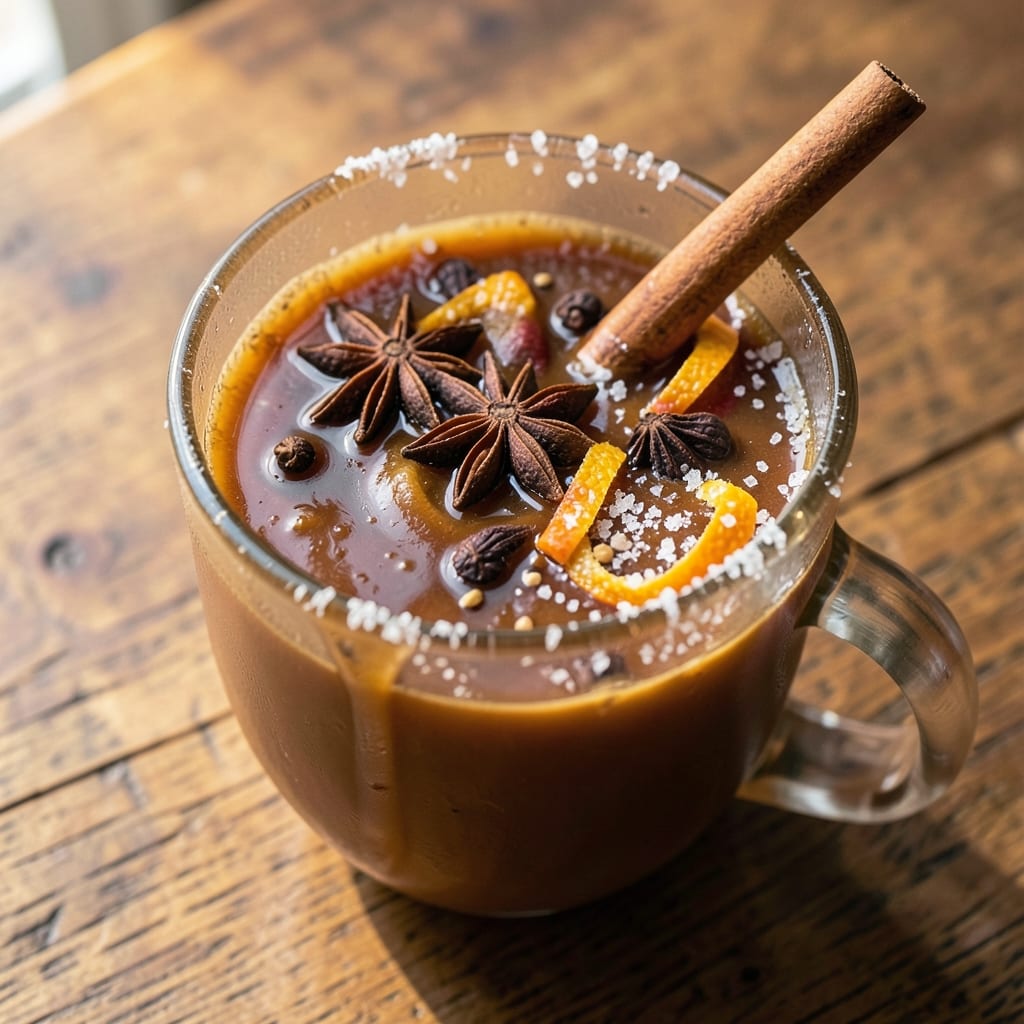
This apple cider brew recipe transforms simple apples into a rich, spiced fermented drink with deep cinnamon warmth and natural sweetness. The slow-simmered infusion process unlocks layers of flavor while ensuring a smooth, balanced finish—perfect for sipping during crisp autumn evenings or gifting in festive bottles. Unlike store-bought options, this method lets you control the spice blend, fermentation time, and alcohol content for a truly customizable result.
The foundation of this recipe lies in its two-stage process: first, simmering apple cider with aromatic spices like cinnamon, cloves, and star anise to extract their oils, then fermenting with yeast to develop subtle complexity. Professional brewers swear by this technique for achieving a clean, crisp profile with just the right kick. Whether you're crafting a small batch for personal enjoyment or scaling up for holiday gatherings, the process remains remarkably straightforward once you master the sanitation steps and temperature control.
What sets this brew apart is its versatility—serve it chilled as a refreshing fall drink, warm it with a splash of bourbon for a cozy cocktail, or pair it with sharp cheeses and spiced nuts for a sophisticated appetizer spread. The slow fermentation ensures a smooth, well-rounded flavor, while the spice infusion adds depth that elevates it beyond basic cider. Each sip delivers a harmonious balance of sweetness, warmth, and subtle tartness that makes it a standout centerpiece for any seasonal menu.
For those new to fermentation, don’t let the process intimidate you—the key is patience and precision. With the right ingredients, clean equipment, and a few weeks of aging, you’ll create a homemade brew that rivals commercial offerings. The result? A restaurant-quality drink that’s far more rewarding than anything you’d find on a store shelf. Let’s get started on crafting your perfect batch.
Ingredients for apple cider brew
Pantry staples meet autumn spices for a rich, fermented brew that rivals commercial offerings.
| Ingredient | Amount | Notes |
|---|---|---|
| Unfiltered Apple Cider 🍎 | 4 cups | Raw, unpasteurized preferred |
| Granulated Sugar 🍚 | 1 ½ cups | Organic preferred for purity |
| Cinnamon Sticks 🌿 | 4 whole | High-quality, aromatic variety |
| Whole Cloves 🌶️ | 10 whole | Freshly ground preferred |
| Star Anise Pods 🌟 | 5 whole | Whole, not ground |
| Orange Peel 🍊 | 1 tbsp | Freshly grated, organic |
| Active Dry Yeast 🍞 | ¼ oz | Brewing or champagne yeast |
| Campden Tablets 💊 | 1 piece | For sterilization, dissolved |
| Lemon Juice 🍋 | 1 tbsp | Freshly squeezed |
| Vanilla Bean 🌸 | 1 whole | Split lengthwise for seeds |
| Distilled Water 💧 | 1 cup | For yeast activation |
| Honey 🍯 | 1 tbsp | Raw, local preferred |
The apple cider is the heart of this recipe—unpasteurized and unfiltered delivers the most complex flavor profile. Local orchard cider often has better depth than store-bought, but any raw cider works. For spices, Penzeys Spices or bulk bins at Whole Foods carry the highest-quality whole spices. The Campden tablets are non-negotiable for sterilization—always dissolve them first in warm water before adding to the brew. Vanilla bean might seem optional, but its subtle floral notes elevate the final product significantly. If you can't find organic orange peel, regular peel works—just make sure it's pesticide-free.
No Campden tablets? Potassium metabisulfite works at the same dose, but Campden is more accessible. Running low on cloves? Allspice berries at half the amount add warmth without overpowering. The yeast choice matters—champagne yeast creates finer bubbles, while brewer's yeast adds a slightly malty note. For a non-alcoholic version, skip the yeast and add a splash of ginger ale at the end. The honey can be swapped for maple syrup if you prefer a different sweetness profile, but honey's floral notes complement the spices beautifully.
Store your spices in airtight containers away from light to preserve their potency for up to 6 months. The Campden tablets keep indefinitely in a cool, dry place. Once your brew is fermented, transfer it to sanitized bottles with airlocks for 4-6 weeks of aging. The flavor deepens with time, but it's safe to drink after just 2 weeks. For gifting, use decorative bottles and add a sprig of rosemary—it looks stunning and adds a subtle herbal note.
Why You'll Love This Recipe
- Pantry Magic: I swear by this recipe because it uses stuff I already have—no last-minute grocery runs. Just grab that unfiltered cider (the cloudy kind, trust me), a handful of spices from my jar, and boom. Zero specialty shopping, zero stress.
- Spice Bomb Joy: Between the warm cinnamon sticks, the tiny clove punches, and the star anise’s subtle licorice kick, this brew tastes like autumn wrapped in a mug. Honestly, the first sip makes me forget it’s just a drink—it feels like dessert in liquid form.
- Cozy Anywhere: This isn’t just for chilly evenings by the fire. I’ve served it at book club meetings (it pairs great with cheese boards), packed it in thermoses for road trips, and even used it as a fancy mocktail at my friend’s wedding. Works everywhere, every time.
- Budget Warmth: A single batch costs me less than $5 and stretches for days—perfect for when I’m broke but still want to feel fancy. Plus, the leftovers? Even better the next day, like a slow-simmered hug in a cup. (Yes, even on a Tuesday night.)
Step-by-step instructions for slow-simmered spiced apple cider brew
Transform simple cider into a rich, aromatic brew with layers of spice and warmth.
Sterilize and Prepare the Base
Begin by crushing the 1 piece Campden Tablets between two spoons or with a mortar and pestle. Dissolve it completely in the 1 cup Distilled Water in a small bowl, stirring until fully integrated. This step is crucial—it eliminates any wild yeast or bacteria that could spoil your brew.
In a large, heavy-bottomed pot, combine the 4 cups Unfiltered Apple Cider and the dissolved Campden tablet mixture. Bring to a gentle simmer over medium-high heat, then reduce to medium-low and let it bubble softly for 15 minutes. This initial simmer helps sterilize the cider further and mellows its raw acidity. Skim off any foam that rises to the surface during this time—it contains impurities you don’t want in your final brew.
Infuse with Spices and Sweetener
Add the 1.5 cups Granulated Sugar, stirring until fully dissolved. This creates a sweet foundation that balances the cider’s natural tartness. Next, incorporate the 4 whole Cinnamon Sticks, 10 whole Whole Cloves, 5 whole Star Anise Pods, and 1 tbsp Orange Peel. Give everything a gentle stir to ensure the spices are evenly distributed throughout the liquid.
Let the mixture simmer uncovered for 45 minutes, stirring occasionally. You’ll notice the aroma deepen—warm cinnamon, earthy cloves, and a hint of citrus. The spices should impart their flavors without overpowering the cider’s natural character. If the brew reduces too quickly, add 2-3 tablespoons of water to maintain the original volume. The goal is a syrupy consistency, but not so thick it becomes cloying.
Activate and Incorporate the Yeast
While the spiced cider simmers, prepare the yeast mixture in a separate bowl. Sprinkle the 0.25 oz Active Dry Yeast over the 1 cup Distilled Water and let it sit for 5 minutes until it becomes frothy. This indicates the yeast is active and ready to work. Next, split the 1 whole Vanilla Bean lengthwise and scrape out the seeds with the tip of a knife.
Once the spiced cider has simmered for 45 minutes, remove it from heat and let it cool to room temperature—about 70-75°F. This is critical; yeast works best in this temperature range. Stir in the activated yeast mixture, the vanilla seeds, and 1 tbsp Lemon Juice. The lemon juice brightens the flavors and helps preserve the brew. Stir gently to avoid creating too many bubbles, which could cause spillage.
Ferment and Rest for Depth of Flavor
Transfer the cider mixture to a clean, airtight container—such as a glass jar or fermentation vessel—and cover it loosely with a lid or cloth. Let it sit at room temperature for 24 hours, allowing the yeast to work its magic. You’ll see small bubbles forming on the surface, which means fermentation is underway. This step develops the brew’s complexity and mellows its sharpness.
After 24 hours, refrigerate the brew to halt fermentation. Stir in the 1 tbsp Honey to add a touch of natural sweetness and depth. Let it chill in the fridge for at least 4 hours before serving. The honey not only sweetens but also enhances the spice notes, creating a harmonious balance. For best results, let it rest in the refrigerator for 2-3 days—this allows the flavors to meld and the brew to develop its full character.
Serve Warm with Optional Garnishes
To serve, gently reheat the brew over low heat until warmed through—do not boil, as this can scatter the spices and dilute the flavors. Pour into mugs and garnish with an additional cinnamon stick or a sprinkle of ground cloves for a finishing touch. The brew should have a rich, aromatic depth with notes of warm spices, vanilla, and a hint of citrus brightness.
For an extra-special touch, serve with a side of buttered toast or gingersnap cookies to complement the spiced flavors. This brew is best enjoyed fresh, but it will keep in the refrigerator for up to 1 week, allowing the flavors to evolve even further over time. The longer it rests, the more complex and layered the taste becomes.
Pro Tips For Making Apple Cider Brew
- Simmer Gently After Boiling: Once your cider reaches a full boil with spices, drop the heat to a gentle simmer—think tiny bubbles breaking the surface, not rolling chaos. I learned this the hard way when my first batch turned bitter from scorching the spices (and the cider). A low, steady simmer extracts flavor without burning.
- Toast Your Spices First: Dry-toast whole cloves and star anise in a skillet for 30 seconds until fragrant—this unlocks deeper flavor. My grandmother swore by this, and she was right: the spices taste more complex, and the brew won’t get cloudy from starch release. Skip this? You’ll still get flavor, but it’ll be subtler.
- Strain Twice for Clarity: After simmering, strain through a fine-mesh sieve once to catch whole spices, then strain again through cheesecloth for a cleaner finish. Yes, it’s extra work, but the difference in mouthfeel is noticeable—no gritty bits to ruin the sip. (Your future self will thank you.)
- Use Brown Sugar Instead: Swap granulated sugar for light brown sugar—its molasses notes add warmth and depth without extra effort. I was skeptical until I tried it: the brew tastes richer and more autumnal, like it’s been simmering longer. Bonus: no need to adjust measurements.
Creative variations of these flavors
Spiced Rum Twist
Elevate your brew into a boozy cocktail by adding 2 oz dark rum per quart of finished cider. I recommend Appleton Estate or Kraken for their caramel and vanilla notes that harmonize perfectly with the spices. After fermentation, stir in the rum and let it infuse for 24 hours in the refrigerator. Serve over ice with a lemon twist and a sprinkle of cinnamon for a sophisticated Spiced Rum Apple Cider. 🍹
Non-Alcoholic Sparkling Version
Skip the yeast entirely and create a fizzy, spiced alternative by adding ½ cup sparkling apple cider (like Martinelli’s Sparkling) after the spice infusion. Top with 1 cup ginger ale for effervescence and a subtle kick. Garnish with candied ginger slices for a refreshing, alcohol-free treat perfect for gatherings. The ginger complements the cinnamon beautifully. ✨
Winter Berry Infusion
Boost the brew’s antioxidant power by adding ½ cup mixed berries (cranberries, blackberries, or tart cherries) during the initial simmer. The berries release their juices and deepen the flavor profile with a tart contrast. After fermentation, strain out the berries and discard them—no need to remove all seeds, as they add subtle texture. This variation pairs wonderfully with sharp cheddar cheese and walnuts for a festive appetizer platter. 🍇
Smoked Maple Variation
For a smoky twist, infuse the cider with 1 tbsp maple syrup and a smoked sea salt rim on serving glasses. After fermentation, warm the brew with a smoked wood chip (like hickory or apple) in a cast-iron skillet for 5 minutes before serving. The smoky aroma enhances the cinnamon’s warmth, creating a unique depth. Serve with smoked gouda for a match made in autumn heaven. 🌬️
Citrus Zest Boost
Brighten the brew with an extra 1 tbsp lemon zest and 1 tbsp grapefruit zest during the spice infusion. The citrus oils elevate the flavor profile, adding a refreshing zing that balances the sweetness. After fermentation, strain out the zest and garnish with a twist of orange peel for a vibrant touch. This variation is ideal for pairing with citrus-glazed ham or prosciutto-wrapped melon. 🍋
Herbal Tea Fusion
Swap out the vanilla bean for 2 chai tea bags (like Tazo Chai) steeped in the warm cider during the final 10 minutes of simmering. The tea’s spiced notes amplify the cinnamon and clove flavors while adding a subtle earthiness. Remove the tea bags before fermentation and serve with a dash of cardamom for an exotic twist. This fusion works beautifully as a cozy after-dinner drink. 🍵
Nutrition facts
Frequently asked questions
How long does the fermentation process take?
The initial fermentation at room temperature takes 24 hours, followed by a 2-3 day chilling period to develop flavors. For optimal depth, let it age in the refrigerator for 1-2 weeks—the longer it rests, the smoother and more complex the taste becomes. Patience is key for that restaurant-quality finish!
Can I use store-bought apple cider instead of raw?
Store-bought cider works, but raw/unpasteurized cider delivers the most authentic flavor and natural yeast for fermentation. If using pasteurized cider, add ½ teaspoon extra yeast to ensure proper fermentation. The difference? Raw cider has more depth and subtle tartness that shines in the final brew.
What if my brew doesn't ferment?
Check your yeast activation first—it should be frothy after 5 minutes in warm water. If fermentation fails, your cider may have been too hot (>85°F) when adding yeast or lacked enough sugar. Try reheating the cider slightly, adding ½ cup more sugar, and using fresh yeast. Temperature control is everything!
How do I know when it's ready to serve?
Your brew is ready when it smells rich and spiced (like apple pie) and tastes balanced—sweet, warm, and slightly effervescent. After 2 weeks of aging, it'll have that perfect harmony of flavors. For a quick test, taste after 48 hours—if it's still too sharp, let it rest longer.
Can I make this without alcohol?
Skip the yeast and add ½ cup sparkling cider (like Martinelli's) plus 1 cup ginger ale after the spice infusion. The ginger adds a refreshing kick that balances the spices beautifully. Perfect for gatherings where alcohol isn't an option!