
Desserts
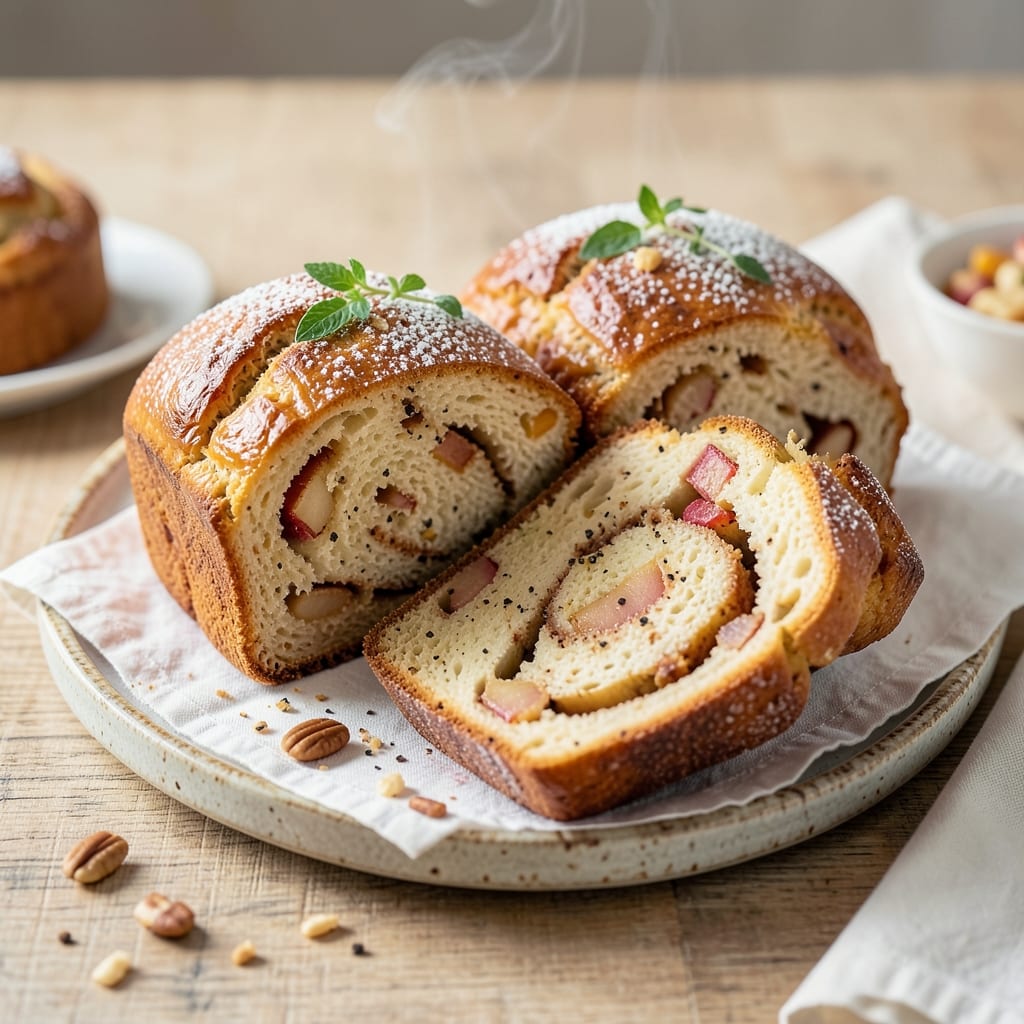
This apple cinnamon brioche bread transforms your kitchen into a bakery with its pull-apart softness and warm spice infusion. 🌟 The secret lies in a rich, buttery brioche dough that yields tender layers, paired with a caramelized apple-cinnamon filling that creates irresistible pockets of flavor. I've perfected this recipe over years of baking, ensuring every slice delivers that perfect balance of sweetness and texture.
The process begins with a slow yeast activation and gentle kneading to develop gluten without overworking the dough, followed by careful proofing to achieve that signature brioche rise. The filling—sautéed apples, cinnamon, and a touch of brown sugar—adds depth and moisture, while the final bake creates a golden crust that contrasts beautifully with the soft interior. This recipe is designed to impress, whether you're serving it warm from the oven or saving slices for days.
What sets this apart is the combination of techniques: proofing the dough at the right temperature ensures optimal rise, while baking at precise intervals prevents over-browning. The result is a loaf with a tender crumb, caramelized apple filling, and a hint of cinnamon in every bite. Perfect for breakfast, dessert, or gifting, this bread is a showstopper that feels like a hug in edible form.
Ready to bake? The step-by-step instructions will guide you through each phase—from yeast activation to the final glaze—so you can achieve bakery-quality results at home. No experience needed, just patience and a little love. Let's get started!
Ingredients for apple cinnamon brioche bread
Rich brioche dough meets caramelized apple-cinnamon filling for bakery-style perfection in every pull-apart bite.
| Ingredient | Amount | Notes |
|---|---|---|
| Active Dry Yeast 🍞 | ¼ oz | One packet, dissolved in warm water |
| Granulated Sugar 🍚 | ½ cup | For yeast activation |
| Whole Milk 🥛 | 1 ½ cups | Warm to 110°F for yeast |
| Unsalted Butter 🧈 | 1 cup | Softened, not melted |
| Large Eggs 🥚 | 2 whole | Room temperature |
| All-Purpose Flour 🌾 | 5 cups | Plus 1 cup for dusting |
| Diamond Crystal Kosher Salt 🧂 | 1 ½ tsp | Adjust to taste |
| Granny Smith Apples 🍏 | 4 medium | Peeled, diced (about 2 cups) |
| Light Brown Sugar 🍚 | ½ cup | Packed, for filling |
| Ground Cinnamon 🌿 | 2 tbsp | Plus extra for dusting |
| Vanilla Extract 🥄 | 1 tsp | Pure extract preferred |
| Egg Wash 🥚 | 1 whole | 1 egg beaten with 1 tbsp milk |
| Turbinado Sugar 🍚 | ¼ cup | For final sprinkle |
The yeast is non-negotiable here—Fresh yeast from the refrigerated section (not the baking aisle) gives the best rise. King Arthur or Bob's Red Mill brands are my go-tos for consistent results. Warm the milk to 110°F before activating the yeast—too hot kills it, too cold makes it sluggish. For the butter, Plugrá or Land O'Lakes work perfectly, but avoid salted versions. The apples? Granny Smiths stay firm when baked, but Honeycrisp adds natural sweetness if you prefer. Peel them first—no one wants tough apple bits in their brioche. Weigh your flour if possible; 5 cups by weight yields the perfect tender crumb.
No Granny Smiths? Fuji or Pink Lady apples work beautifully—just adjust the sugar in the filling to taste. Running short on butter? Vegetable shortening at 3/4 the amount keeps the dough tender, though it lacks flavor. The cinnamon can be swapped for cinnamon sticks in the filling if you're feeling fancy, but ground works just fine. For the brown sugar, light or dark doesn't matter here—the apples dictate the sweetness. Need to make this ahead? Proof the dough overnight in the fridge, then bake straight from cold for an even rise. The egg wash? Add a pinch of turbinado sugar for extra shine on that golden crust.
This dough is a beast—it needs time. After mixing, let it rest 2 hours at room temp before shaping, then proof another 2-3 hours until puffy. The filling can be prepped a day ahead and stored in the fridge. For the final bake, rotate the pan halfway through for even browning. Cool completely before slicing—30 minutes minimum—or the filling will ooze everywhere. Leftovers? 3 days wrapped airtight or freeze the whole loaf for 3 months. Toasting revives day-old slices beautifully—just brush with melted butter and a sprinkle of cinnamon.
Why You'll Love This Recipe
- Rich but simple: eggs and butter make it feel special, but the yeast and sugar stretch every ingredient. A single batch feeds my family for days, and the dough freezes beautifully—just thaw and bake when you need it. My wallet (and my taste buds) thank me.
- No-Knead Magic: I swear by this dough—just mix, let it rise, and the yeast does all the work. No standing at the counter, no overworking the butter; the whole milk keeps it tender while the yeast puffs it up like a dream.
- Warm Spice Hug: That first bite? Pure autumn in your mouth. The butter and sugar caramelize into a sticky-sweet crust, while the cinnamon swirls cut through like a cozy blanket—especially when you add those crisp apples (peeled, diced, and lightly tossed in flour).
- Breakfast to Brunch: Serve it toasted with jam for a lazy morning, or slice it into thick wedges for a weekend brunch board. Honestly, the leftovers become my go-to snack—dunked in coffee or slathered with peanut butter when I’m in a rush.
Step-by-step instructions for apple cinnamon brioche bread
Here's how to create a tender, pull-apart loaf with perfect spice balance and apple bursts.
👨🍳 Step 1: Activate the Yeast and Mix the Dough
In a small bowl, combine the 0.25 oz active dry yeast with 0.5 cup warm whole milk (110°F) and 1 tablespoon granulated sugar. Let it sit for 5-10 minutes until frothy—this confirms your yeast is active. If it doesn't bubble, start over with fresh yeast.
In a stand mixer fitted with the dough hook, combine the 5 cups all-purpose flour, 1.5 teaspoons diamond crystal kosher salt, and remaining 0.5 cup granulated sugar. Add the 1 cup softened unsalted butter, 2 room-temperature large eggs, and 1 teaspoon vanilla extract. Mix on low speed until combined, then add the yeast mixture. Knead for 5-7 minutes until the dough is smooth and elastic, pulling away from the sides of the bowl.
🥘 Step 2: Incorporate the Apple Filling
While the mixer runs on low, add the 4 peeled, diced Granny Smith apples (about 2 cups), 0.5 cup packed light brown sugar, and 2 tablespoons ground cinnamon. Mix just until evenly distributed—overmixing will break down the apple texture. The dough will look shaggy but will come together during the first rise.
Shape the dough into a rectangle on a lightly floured surface. Fold the sides toward the center to create a log shape, sealing the edges tightly. This creates those signature brioche layers while trapping the apple filling inside. Place seam-side down in a greased 9x5-inch loaf pan.
🔥 Step 3: First Rise and Pre-Bake
Cover the pan with a damp towel and let rise in a warm place for 1-1.5 hours until the dough has nearly doubled in size and springs back slowly when poked. Preheat your oven to 350°F while the dough rises.
When ready, brush the risen dough with the 1 whole egg wash (1 egg beaten with 1 tablespoon milk). Sprinkle generously with the 0.25 cup turbinado sugar and extra 1 tablespoon ground cinnamon. Bake for 30-35 minutes until the top is golden brown and an instant-read thermometer inserted into the center reads 190°F.
⏰ Step 4: Rest and Serve
Remove the bread from the oven and let it cool in the pan for 10 minutes before transferring to a wire rack. This resting period allows the internal structure to set while preventing a gummy texture. For best results, serve warm with extra cinnamon sugar sprinkled on top.
Here's the thing—this bread tastes even better the next day when the flavors have fully melded. If you have leftovers, store them wrapped at room temperature for up to 2 days or freeze for 3 months. The pull-apart texture and apple-cinnamon bursts make every slice worth the wait.
Pro Tips For Making Apple Cinnamon Brioche Bread
- Warm the Milk First: Pour that whole milk into a small saucepan and heat it to about 110°F (43°C)—just warm enough to make steam but not hot enough to scald. Cold milk shocks yeast, and brioche dough needs yeast to work its magic, not throw a tantrum. I used to skip this, and my dough would take twice as long to rise. Trust me, a 2-minute wait saves hours later.
- Cut Butter Cold: Take your unsalted butter straight from the fridge and slice it into small cubes—no need to soften it at room temperature. Cold butter creates pockets in the dough that give brioche its signature flaky layers. I learned this after my first batch turned out dense; now, my bread has that melt-in-your-mouth texture.
- Punch Down Gently: When deflating your risen dough, don’t slam your fist into it like you’re kneading bread dough. Use your knuckles to gently press down and redistribute the air—this keeps the delicate brioche structure intact. I used to go full force, and my bread would collapse like a sad soufflé.
- Proof in a Draft-Free Spot: Move your dough to a warm, draft-free corner of your kitchen (like the top of the fridge with a bowl of hot water nearby) and let it rise until it’s almost doubled. Brioche needs consistency—cold spots slow it down, and drafts make it rise unevenly. I once left mine near an open window, and the top rose while the bottom stayed flat. Not pretty.
Common mistakes when making this dish
Over-Kneading the Dough
Brioche dough is delicate—over-kneading develops too much gluten, making it tough instead of tender. I’ve seen beginners knead for 10+ minutes, but 5-7 minutes on medium speed is perfect. Stop when the dough pulls away cleanly from the bowl and springs back slowly when pressed. If it feels resistant or sticky, you’ve pushed it too far. 💡
Skipping the Rest Period
The dough needs 2 hours of rest at room temperature before shaping to relax the gluten and improve texture. Skipping this step makes the dough harder to handle and results in a dense, less flavorful loaf. I once forgot and ended up with a brick-like brioche—never again! Place the dough in a bowl, cover it loosely, and let it chill out while you prep the filling.
Underproofing the Dough
Rushing the proofing stage is a common mistake. The dough should rise until it’s nearly doubled and jiggly when touched. If you bake it too soon, it won’t have enough lift, and the final loaf will be flat and dense. I recommend proofing in a warm spot (like a turned-off oven with a bowl of hot water) for 1-1.5 hours. Patience here makes all the difference!
Overfilling the Dough
Too much filling can weigh down the brioche and prevent proper rising. Stick to the recipe’s 2 cups of apple mixture—any more, and the dough struggles to expand. If you’re tempted to double the filling, reduce the amount of apples or brown sugar slightly. The goal is balance: tender brioche with pockets of flavor, not a soggy mess. 🍏
Ignoring the Sugar Sprinkle
That final ¼ cup turbinado sugar isn’t just for looks—it caramelizes during baking, creating a crisp, golden crust that contrasts beautifully with the soft interior. Skipping it leaves your bread bland and dull. Sprinkle it generously right before baking, and don’t forget to rotate the pan halfway through for even browning.
Cutting Too Soon
Brioche needs time to set after baking. Slicing it too early releases steam and makes the crumb gummy. Let it cool in the pan for 10 minutes, then transfer to a wire rack for 30 minutes before cutting. I’ve learned this the hard way—trust the process, and you’ll reward yourself with perfect slices every time. ✨
Nutrition facts
Frequently asked questions
Can I substitute apples in this recipe?
While Granny Smiths are ideal for their tartness, you can use Honeycrisp, Fuji, or Pink Lady apples instead. For softer varieties, reduce the brown sugar in the filling by 1 tablespoon since they're naturally sweeter. Pear slices also work beautifully—just reduce the cinnamon to 1 tablespoon to balance the flavor.
Why does my brioche dough look too sticky?
Sticky dough is normal for brioche, but if it's overly wet, you may need 1-2 tablespoons more flour during kneading. The dough should be soft but not clingy to your hands. If it's too dry (cracking when poked), add 1 tablespoon warm milk and knead briefly. Always measure flour by weight for consistency—5 cups by weight is key for perfect texture.
How do I make this bread ahead of time?
This recipe is perfect for prep! Shape the dough and place it in the loaf pan, then refrigerate overnight. The next morning, let it rise at room temperature for 1.5-2 hours before baking as directed. For the filling, sauté the apples and mix with cinnamon/sugar, then store in the fridge for up to 3 days—just fold it in fresh before shaping.
Can I make this gluten-free?
While possible, brioche relies on gluten for its signature texture. For a GF version, use a 1:1 gluten-free flour blend (like King Arthur's) and add 1 teaspoon xanthan gum. Expect a denser crumb—this bread won't be as light, but it'll still taste amazing. Reduce the butter to ½ cup and increase the eggs to 3 to compensate for the lack of gluten structure.
What's the best way to reheat slices?
For maximum flavor, wrap slices in foil and warm in a 350°F oven for 5-7 minutes. For a crispy crust, toast in a dry skillet over medium heat for 1-2 minutes per side. Avoid microwaving—it makes the brioche gummy. Pro tip: Brush warm slices with melted butter and extra cinnamon sugar for an instant treat!