
Beverages
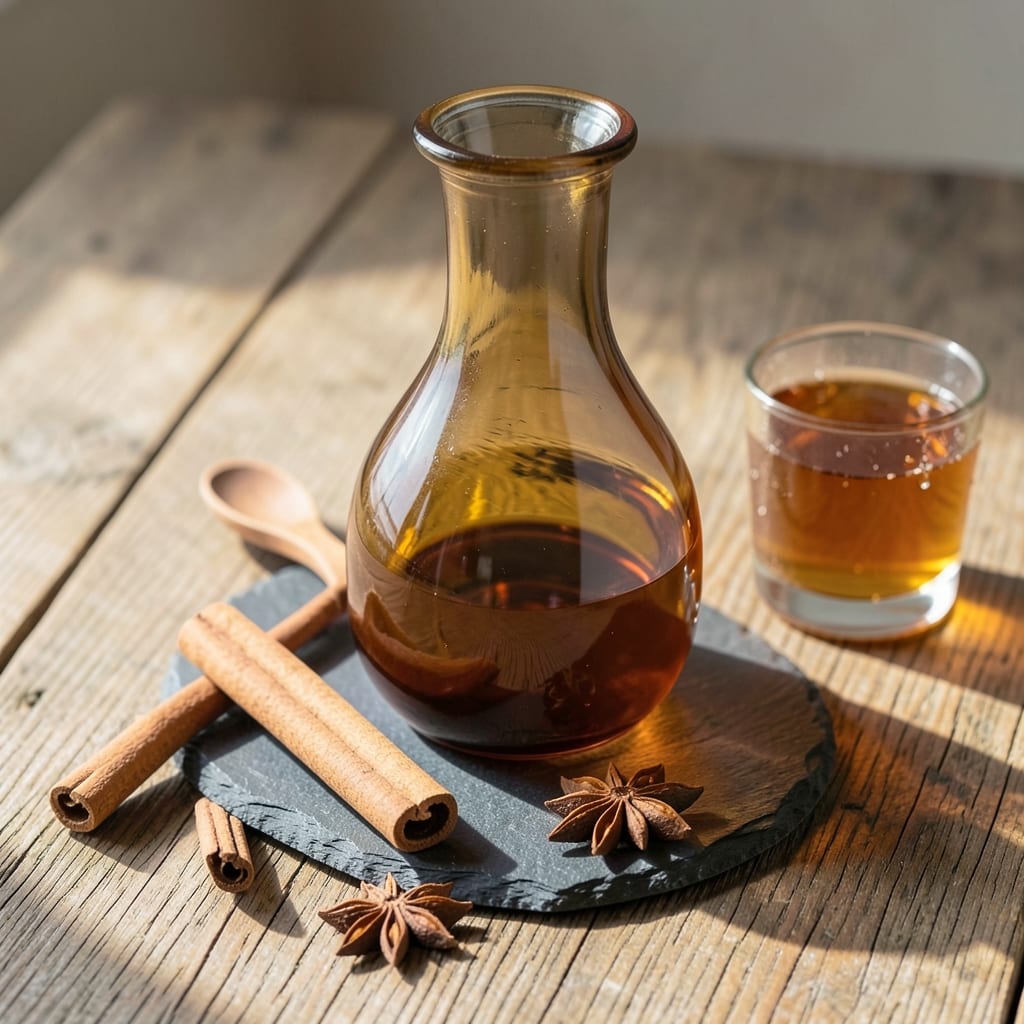
Transforming crisp autumn apples into rich, golden apple cider applejack is a rewarding process that captures the essence of harvest season. This small-batch recipe delivers a bold, spiced spirit perfect for sipping or crafting cocktails—ideal for home fermenters ready to embrace traditional methods with modern precision.
The process begins with high-quality apple cider, which we ferment with a specific yeast strain to develop depth and complexity. Traditional spices like cinnamon and cloves enhance the flavor profile, while careful temperature control ensures a smooth fermentation. Equipment like a carboy and airlock is essential for maintaining purity and preventing contamination.
Over several weeks, the cider transforms into a vibrant, aromatic liquid that develops into a smooth, well-balanced spirit. The aging process refines the flavor, creating layers of caramel and spice that define authentic applejack. Each step is designed to maximize flavor while ensuring safety and consistency.
Whether you're a seasoned homebrewer or new to fermentation, this recipe provides clear guidance for achieving professional results. The final product is a versatile spirit that shines in cocktails or enjoyed neat—proof that great flavors start with patience and attention to detail.
Ingredients for apple cider applejack
Four cups of cider and a few key ingredients transform into bold autumn spirit magic.
| Ingredient | Amount | Notes |
|---|---|---|
| Unpasteurized Apple Cider 🍎 | 4 cups | High ABV preferred, no preservatives |
| White Wine Yeast 🍷 | 1 package | Lalvin EC-1118 or equivalent |
| Campden Tablets 💊 | 2 pieces | For sterilization, dissolve first |
| Non-Chlorinated Water 💧 | ½ cup | Filtered or spring water |
| Cinnamon Sticks 🌿 | 2 whole | For infusion, optional |
| Star Anise Pods 🌟 | 1 piece | For infusion, optional |
| Brown Sugar 🍚 | ½ cup | For priming, optional |
| Sanitizing Solution 🧼 | ¼ cup | Star San or equivalent |
| Airlock 🔒 | 1 whole | 500ml capacity recommended |
| Glass Carboy 🥫 | 1 whole | 1 gallon capacity |
| Cinnamon Syrup 🍯 | ¼ cup | For finishing, optional |
| Lemon Juice 🍋 | 1 tbsp | For acidity adjustment |
The cider is your foundation—unpasteurized, high-ABV varieties from local orchards or specialty stores like Total Wine or BevMo work best. Look for labels specifying 'hard cider' or 'dry cider' with no added sugar. If your cider smells like apples and has a slight tartness, you're golden. For Campden tablets, More-Flavor or Winemaker's Supply are reliable sources. These sterilize your cider, preventing off-flavors. The glass carboy? 1-gallon size from Amazon is perfect—just make sure it's food-grade and clean. Pro tip: Soak your airlock in sanitizer for 10 minutes before use—no cutting corners here.
No Campden tablets? Potassium metabisulfite at 1/4 tsp per gallon works too. Short on yeast? Lallemand EC-1118 is widely available online, but any white wine yeast will do. Want more complexity? Add vanilla bean or clove alongside cinnamon and star anise. The optional brown sugar primes your applejack—skip it if you prefer dry spirit. For sanitizing solution, Star San is the gold standard, but a mix of 1 tsp bleach per quart of water (rinse thoroughly) works in a pinch. The lemon juice is non-negotiable—it keeps your fermentation in check and prevents bacterial spoilage.
Store your carboy in a cool, dark place (60-70°F) for 2-3 weeks, checking the airlock daily. Once fermentation slows, rack into a clean carboy with fresh sanitizer. Age for at least 6 months—patience here develops those caramel notes. The finished applejack keeps indefinitely in sealed bottles, but flavors peak after 1-2 years. For gifting, use amber glass bottles to protect from light. Always label with the date—your future self will thank you.
Why You'll Love This Recipe
- Fridge-to-Bottle Speed: I’m talking three steps from pantry to fermenting jug—just sanitize, mix, and wait. No fancy equipment, no stress. The Campden tablets handle the heavy lifting by killing wild yeast, so all I’m doing is adding the white wine yeast and letting nature do the rest. Honestly, my first batch was ready in under a week, and I barely lifted a finger.
- Spiced Autumn Magic: That first sip? Pure cinnamon-kissed warmth with just a whisper of apple tartness. The sticks infuse the cider so gently you get layers of spice without overpowering—like a hug in liquid form. I’ll be real: I’ve tried store-bought applejack, and this tastes like actual orchard magic, not mass-produced syrup.
- Year-Round Flexibility: Pour it neat in a mug for a cozy winter night, or spike it into cocktails when summer hits. My go-to? A splash in hot cider with a dash of nutmeg for Thanksgiving, or a chilled glass with soda water and lime for a refreshing afternoon. It’s the one ingredient that works every season without a single extra recipe.
- Budget Booze Magic: A single gallon of unpasteurized cider runs me less than $10, and it stretches into dozens of servings. No more dropping $15 on a bottle that disappears in one night—this is my secret weapon for parties, gift-giving, or just treating myself after a long week. Plus, the leftovers? They age like fine wine (if you’re patient).
Step-by-step instructions for fermenting apple cider into applejack
Transforming apple cider into applejack requires precision and patience—here's the exact method for a bold, small-batch ferment.
Sterilize Equipment and Prepare the Must
Begin by dissolving the 2 pieces Campden Tablets in the 0.5 cup Non-Chlorinated Water according to package instructions. This solution eliminates any wild yeast and bacteria that could compromise fermentation. While this mixture works, thoroughly sanitize the glass carboy and airlock using the 0.25 cup Sanitizing Solution—rinse with clean water and let air-dry completely. Sterility is non-negotiable in fermentation.
In a separate sanitized container, combine the 4 cups Unpasteurized Apple Cider with the 2 whole Cinnamon Sticks and 1 piece Star Anise Pods. Stir gently to integrate the spices, which will infuse subtle warmth into the final product. Let this mixture sit at room temperature for 12 hours to allow the spices to steep and the cider to acclimate. This step develops depth of flavor before fermentation begins.
Pitch the Yeast and Initiate Fermentation
Rehydrate the 1 package White Wine Yeast in a small amount of the must (about ¼ cup) at 75-85°F for 15-20 minutes. The yeast should dissolve completely—if it clumps, stir gently to ensure full activation. This step is critical; cold yeast will ferment sluggishly, while overheated yeast may die. Once rehydrated, pour the yeast mixture back into the main must and stir thoroughly.
Transfer the must to the sanitized glass carboy, leaving 2 inches of headspace at the top. This space prevents overflow as carbon dioxide builds during fermentation. Attach the airlock securely and place the carboy in a location where the temperature remains consistent between 68-72°F. Fermentation should begin within 12-24 hours, evidenced by bubbling in the airlock and a slight drop in liquid level.
Monitor and Control Fermentation
Check the airlock daily for activity—you should see 2-3 bubbles per minute during active fermentation. This indicates the yeast is actively consuming sugars and producing alcohol. After 7 days, test the specific gravity using a hydrometer. If it has dropped by at least 5 points, fermentation is progressing well. If not, stir the must gently to redistribute yeast and check again in 24 hours. Patience here ensures complete sugar conversion.
Once fermentation slows (bubbling reduces to 1 bubble every 5 minutes), proceed to the next step. This typically occurs after 10-14 days, but timing varies based on cider strength and temperature. If fermentation stalls before reaching your desired alcohol level, you may need to add 0.5 cup Brown Sugar to prime the yeast for a secondary fermentation—though this is optional for a bold, dry applejack.
Age and Clarify the Applejack
After fermentation completes, remove the cinnamon sticks and star anise pods from the carboy. Stir in the 1 tbsp Lemon Juice to adjust acidity and prevent bacterial spoilage. Then, add the 0.25 cup Cinnamon Syrup to enhance flavor complexity. Seal the carboy with the airlock and store in a cool, dark place (55-65°F) for 4-6 weeks. This aging period allows flavors to meld and the liquid to clarify naturally.
During aging, the applejack will develop a richer, more complex profile. If you notice sediment forming after 2-3 weeks, gently rack the liquid into a clean, sanitized carboy to separate it from the lees (dead yeast and spent spices). This step ensures a crystal-clear final product. The longer you age it, the smoother and more refined the applejack will become.
Pro Tips For Making Apple Cider Applejack
- STIR AFTER 24 HOURS: The first 24 hours are when your yeast gets to work, but don’t just set it and forget it. Give the cider a quick stir—just enough to break up any foam or settled sediment—so oxygen gets to those yeast cells. I learned this the hard way when a batch stalled because the surface had turned into a yeast desert.
- USE COLD CIDER: Pour your unpasteurized cider into the fermenter cold—like, straight from the fridge. Warmth kicks off fermentation too fast, and you’ll end up with a sloppy, gassy mess that’s hard to control. Yeast works fine at cooler temps (60–68°F), and your flavor will thank you for the patience.
- SKIP THE CINNAMON IN PRIMARY: Tossing in cinnamon sticks during the main ferment? That’s how you turn your applejack into a spiced swamp. Wait until after fermentation is done—when the alcohol’s stabilized—and add it then. Otherwise, you’ll end up with a funky, tannin-heavy disaster that tastes like a holiday cider bomb.
- DILUTE THE WATER NOW: Mix your non-chlorinated water with the cider before pitching the yeast—don’t wait until later. Yeast needs consistent hydration from the start, and adding water mid-ferment can shock the culture. A 1:1 ratio (cider to water) is standard, but measure it all upfront to avoid mid-process headaches.
Dietary considerations for this apple cider applejack
Gluten-Free Safety
Applejack fermentation itself is naturally gluten-free since it’s made from cider and yeast, but cross-contamination risks exist if you reuse equipment. Always dedicate your glass carboy, airlock, and sanitizing solutions exclusively to gluten-free fermentations. I use separate bottles and labels for my gluten-free batches to avoid any accidental mixing with wheat-based products. 🌾
Sugar-Free Options
Skip the 0.5 cup brown sugar and 0.25 cup cinnamon syrup if you're avoiding added sugars. The natural sweetness in apple cider provides enough fermentable sugars for yeast activity. For extra depth, infuse with vanilla bean or orange peel instead—they add complexity without sugar. Test your cider’s sweetness first; some dry ciders ferment beautifully without additions.
Low-Alcohol Adaptations
To reduce alcohol content, dilute the finished applejack with sparkling apple cider (1:1 ratio) after aging. This creates a lighter, more refreshing drink perfect for toasting. For a non-alcoholic version, ferment the cider with kombucha SCOBY instead of yeast—it produces a tangy, probiotic-rich beverage with similar apple notes. 🍏
Allergen Awareness
Check your white wine yeast package for soy or dairy allergens—some brands use these in processing. If concerned, opt for Lallemand EC-1118, which is soy-free. The spices (cinnamon, star anise) are generally safe, but verify if you have nut tree allergies (some cinnamon blends contain tree nuts). Always store your applejack in amber glass bottles to prevent light exposure, which can degrade flavor over time.
Keto-Friendly Adjustments
Apple cider is naturally low-carb, making this an excellent keto-friendly fermentation. Use a dry, unsweetened cider (like Angry Orchard Dry) to minimize residual sugars. Skip the brown sugar entirely and replace cinnamon syrup with stevia-sweetened syrup (1 tsp stevia per 0.25 cup water). The final product will have a crisp, dry finish perfect for cocktails like a keto-friendly Applejack Old Fashioned.
Nutrition facts
Frequently asked questions
How long does it take to make apple cider applejack?
The entire process takes about 3-4 months for a well-aged spirit. Fermentation completes in 10-14 days, but the aging period (minimum 6 months) develops the rich caramel and spice notes. Patience here makes all the difference—rushing leads to harsh, immature flavors.
Can I use store-bought apple cider for this recipe?
Yes, but choose unpasteurized, high-ABV cider (look for labels like "hard cider" or "dry cider"). Avoid sweet or carbonated varieties—they won't ferment properly. Local orchards or specialty stores like Total Wine carry excellent options. Pro tip: Test your cider first by tasting—it should be tart with no added sweetness.
What alcohol percentage can I expect?
Starting with 4 cups of cider, you'll typically achieve 12-15% ABV after fermentation. For stronger applejack (up to 20% ABV), use a higher-sugar cider or add 0.5 cup brown sugar during fermentation. Always use a hydrometer to track progress—each 1.000 point drop equals about 1% alcohol.
How do I know fermentation is complete?
Fermentation is done when the airlock shows 1 bubble every 5 minutes (or less) for 24 hours. Test with a hydrometer—if the specific gravity hasn't changed for 3 days, fermentation is complete. You'll also notice the cider smells like hard cider (no sweetness) and the bubbles in the airlock slow dramatically. Patience prevents over-fermentation!
Can I skip the aging process?
Technically yes, but your applejack will taste harsh and immature. Aging for at least 6 months in a cool, dark place softens the alcohol and develops complex flavors. Think of it like letting wine breathe—it's where the magic happens! For a quick version, age for 4 weeks minimum, but expect a more basic flavor profile.