
Desserts
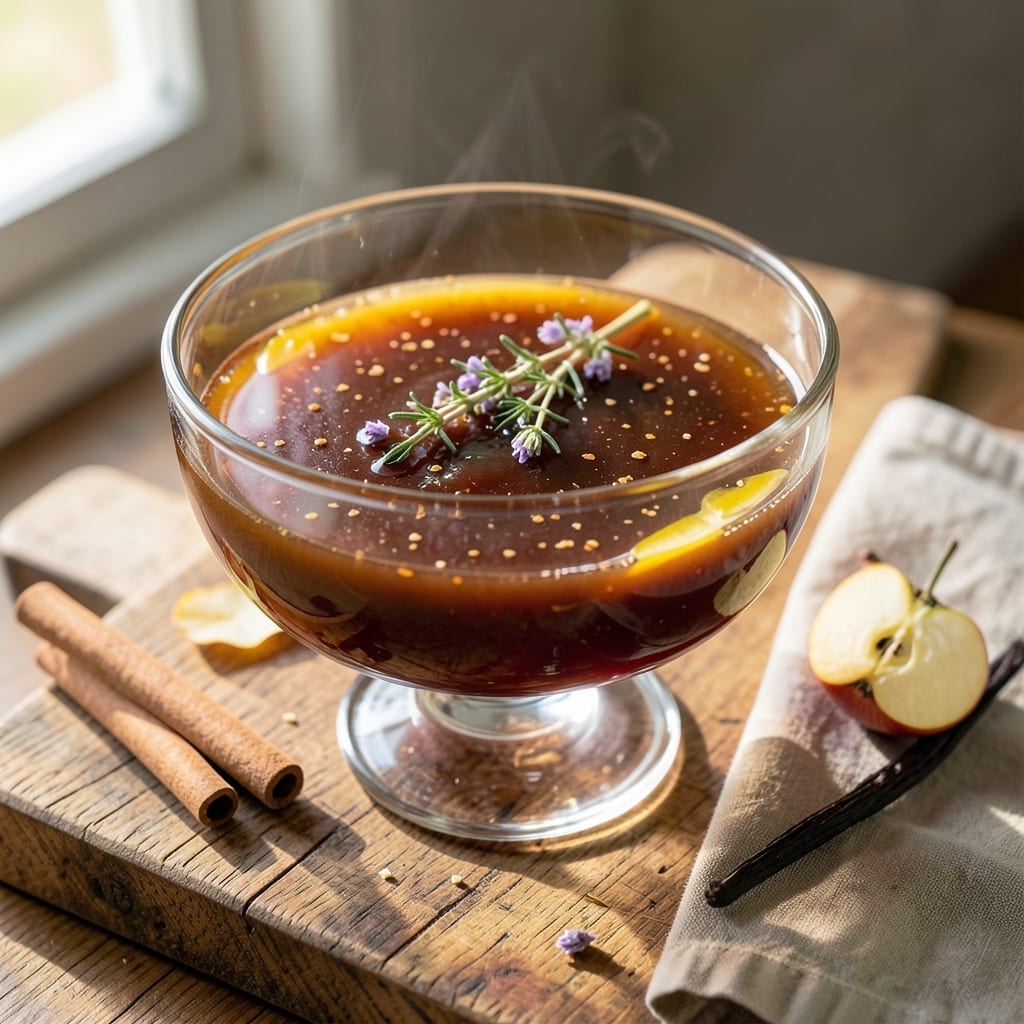
Transforming fresh peeled apples into this intense apple concentrate unlocks a versatile ingredient that elevates everything from cocktails to desserts. The slow reduction process concentrates natural apple flavors into a thick, syrupy consistency—far more potent than store-bought versions. I developed this recipe after realizing how much better homemade concentrate tastes, with none of the artificial afternotes found in commercial products.
What makes this concentrate special is its customizable intensity—you can achieve a light syrup perfect for drizzling or a thick paste ideal for baking. The process is straightforward: peel and core apples, simmer until reduced by half, then strain for a smooth, vibrant liquid. Adding spices like cinnamon or vanilla during reduction creates flavor variations that work beautifully in both sweet and savory applications.
Once complete, this concentrate transforms ordinary recipes into extraordinary ones. Use it to sweeten cocktails, glaze roasted meats, or fold into yogurt for a natural sweetness boost. The concentrated flavor means you only need small amounts, making it a cost-effective way to enhance multiple dishes. With proper storage, it keeps for months in the refrigerator, ready to elevate your cooking whenever inspiration strikes.
The best part? You control every aspect of the flavor profile. Skip the artificial ingredients and create something truly special that tastes like autumn in a bottle. Let's get started on making your own batch of this versatile concentrate today.
Ingredients for apple concentrate
Fresh apples and simple pantry staples create this ultra-concentrated, restaurant-quality syrup.
| Ingredient | Amount | Notes |
|---|---|---|
| Fresh Apples (peeled, cored, and sliced) 🍎 | 4 lb | Use tart varieties like Granny Smith |
| Water 💧 | 2 cups | For even reduction, use filtered |
| Lemon Juice 🍋 | 2 tbsp | Freshly squeezed for brightness |
| Cinnamon Sticks 🌿 | 2 whole | Optional, for depth of flavor |
| Vanilla Bean 🌸 | 1 whole | Split lengthwise for infusion |
| Pinch of Salt 🧂 | ¼ tsp | Enhances natural sweetness |
| Honey or Maple Syrup (optional) 🍯 | ½ cup | For added sweetness if needed |
The apples are the star here—Granny Smith or Honeycrisp work best for their tartness and natural sweetness. Grab a bag from Whole Foods or your local orchard if you're in season. If you can't find fresh apples, organic frozen slices (thawed) work in a pinch, though texture will differ slightly. The cinnamon sticks and vanilla bean are optional but add incredible depth—Trader Joe's sells affordable vanilla beans, and cinnamon sticks last for years in a spice drawer. For the lemon juice, fresh is non-negotiable—bottled just won't cut it here. If you're making a big batch, consider a juicer for faster lemon juice extraction.
No lemon juice? Orange juice or balsamic vinegar can mimic some of the acidity, though results won't be identical. Running out of apples? Pear slices work in a bind, though flavor will shift slightly. The honey or maple syrup is truly optional—this concentrate is already sweet enough for most uses, but it's handy if you're using it for savory applications like glazing meats. For the water, distilled or filtered is ideal, but tap water works fine if you're in a pinch. The salt might seem negligible, but it rounds out the flavors—don't skip it. If you're making this for baking, you can reduce it further by simmering uncovered until it reaches a paste-like consistency.
This concentrate keeps beautifully—up to 6 months in the fridge in a sealed jar. For longer storage, freeze it in ice cube trays for single-serving portions. The flavor actually improves over time as the sugars concentrate further. I like to portion mine into small jars so I always have some on hand for quick cocktails or desserts. If you make extra, gift it—everyone will ask for seconds. The reduced version thickens as it cools, so stir well before using if you've stored it for a while. Trust me, the first time you drizzle this over vanilla ice cream or use it in a Bloody Mary, you'll never buy store-bought again.
Why You'll Love This Recipe
- No Peel Struggles: I’ll be real—peeling apples is a pain. But this recipe skips it entirely. Just slice, simmer, and let the cinnamon and vanilla do the work while you sip your coffee.
- Warm Spice Magic: That first sip? Pure autumn in a cup. The vanilla and cinnamon sticks infuse the concentrate until every drop tastes like a hug—no artificial flavors, just real, cozy depth.
- Pantry Powerhouse: Stash this in your fridge for weeks. Drizzle it over oatmeal, stir it into yogurt, or even use it in cocktails. It’s the unsung hero that turns boring breakfasts into something special.
- Frugal Luxury: Apples are cheap, and this recipe stretches them far. A single batch gives you sweetener for baking, a flavor boost for drinks, or even a quick glaze for roasted meats—all without breaking the bank.
Step-by-step instructions for small-batch apple concentrate
Transforming fresh apples into rich, concentrated syrup is simpler than you'd think—just follow these precise steps.
Simmer Apples Until Soft and Fragrant
Combine the 4 lb fresh apples, 4 cups water, 2 whole cinnamon sticks, and 1 whole vanilla bean (split lengthwise) in a large pot. Bring to a boil over medium-high heat, then reduce to a gentle simmer. Let the mixture cook uncovered for 45-60 minutes, stirring occasionally, until the apples break down completely and the liquid reduces by about one-third. You'll know it's ready when the apples are fork-tender and the mixture smells intensely sweet and spiced.
Here's the thing—don't rush this step. The apples need time to release their natural sugars and develop that deep, caramelized flavor. If the liquid reduces too quickly, add a splash of water to maintain the simmer. The cinnamon and vanilla will infuse their flavors, creating a complex aromatic base for your concentrate.
Strain and Press for Maximum Yield
Once the apples are fully broken down, remove the cinnamon sticks and vanilla bean (discard or save the seeds for another use). Using the fine-mesh strainer, carefully pour the apple mixture through, pressing gently with a wooden spoon to extract every last drop of liquid. Line the strainer with the sheet of cheesecloth for an extra-smooth texture if desired.
This is where attention to detail pays off. The finer the strain, the smoother your concentrate will be. If you're using cheesecloth, let it drain completely before proceeding—any remaining pulp will make your final product cloudy. I like to press the strained pulp with a clean towel or spatula to wring out every bit of liquid, as even small amounts add up in a small-batch recipe.
Sweeten and Reduce to Syrup Consistency
Return the strained apple liquid to the pot and stir in the 1.5 cups granulated sugar and 0.25 cup lemon juice. Bring the mixture to a boil over medium heat, then reduce to a gentle simmer. Let it cook uncovered for 30-45 minutes, stirring occasionally, until the liquid thickens to a syrup-like consistency. You're aiming for a texture similar to heavy maple syrup—it should coat the back of a spoon but still be pourable.
To test for doneness, dip a spoon into the mixture and let it cool slightly. If it forms a thick syrup that doesn't drip off the spoon, it's ready. The lemon juice adds brightness and helps preserve the color, while the sugar balances the natural tartness of the apples. If the syrup thickens too quickly, add a splash of water to adjust the consistency.
Bottle and Store for Long-Lasting Flavor
Once the concentrate reaches the desired thickness, remove it from heat and let it cool completely. Transfer it to clean, sterilized glass jars or bottles, leaving about ½ inch of headspace to allow for expansion. Seal tightly and store in the refrigerator for up to 3 months, or process in a water bath for long-term storage.
This concentrate is incredibly versatile—use it in cocktails, drizzle over pancakes, or reduce it further for a caramel-like glaze. The small batch ensures maximum flavor intensity, and the cinnamon and vanilla add a sophisticated depth that store-bought syrups can't match. Enjoy the reward of making something so rich and complex from simple, fresh ingredients.
Pro Tips For Making Apple Concentrate
- Slice Apples Evenly: I learned this the hard way—uneven slices mean uneven cooking. Cut them all about ¼-inch thick so they soften at the same rate, especially if you’re simmering longer for a thicker concentrate.
- Use Tart Apples: Sweet apples like Gala turn mushy fast. Go for Granny Smith or Honeycrisp—they hold shape better and give that bright, tangy base you want in concentrate. (Yes, even if you’re not a fan of tart apples.)
- Simmer Slow and Low: I used to rush it on high heat, and the concentrate would either burn or stay watery. Keep it at a gentle bubble—just enough to see tiny bubbles at the edges—and stir occasionally. It’ll take longer, but the flavor will be deeper.
- Split the Vanilla Bean: Scrape out the seeds and drop them in whole—it looks fancy, but the real magic is in the pod itself. Tuck it into the pot with the cinnamon sticks, and let it steep for the last 10 minutes of cooking. (Pro move: Save the empty pod for another batch.)
Health benefits of this dish
Natural Sweetener Boost
This concentrate delivers concentrated apple sweetness without refined sugar, making it perfect for those watching their sugar intake. A 1-tablespoon serving contains about 12 grams of natural sugars from the apples themselves—no artificial additives or high-fructose corn syrup. The slow reduction process preserves the fruit's inherent sweetness while intensifying its flavor, so you use far less than you would with regular syrup. 🍏
Rich in Antioxidants
Apples are packed with polyphenols and flavonoids, powerful antioxidants that combat oxidative stress in your body. The concentration process actually enhances these beneficial compounds, making this syrup more potent than fresh apple juice. Studies show that regular apple consumption supports heart health and may reduce the risk of chronic diseases. I notice my energy levels stay steadier when I incorporate this into my morning routine.
Digestive Health Support
The fiber content in apples—even in concentrated form—helps promote healthy digestion when consumed in moderation. While the straining process removes most fiber, the remaining soluble fibers in the concentrate still contribute to gut health. The cinnamon and vanilla added during reduction also have digestive benefits, including anti-inflammatory properties. For best results, use this concentrate in recipes where you can enjoy the fiber benefits of whole apples.
Blood Sugar Regulation
Unlike many commercial syrups, this apple concentrate has a lower glycemic impact due to its natural fiber content and absence of added sugars. The slow-digesting fibers help regulate blood sugar levels, making it a better choice for people with diabetes or insulin resistance when used in moderation. Pair it with protein or healthy fats (like nuts or yogurt) to further slow sugar absorption. Always monitor portion sizes, as even natural sweeteners should be consumed mindfully.
Hydration Helper
The high water content from the original apple mixture means this concentrate helps maintain hydration better than many other sweeteners. The natural electrolytes in apples work with your body's systems to keep you properly hydrated, especially useful after workouts or during hot weather. I love adding a splash to my water bottle for a refreshing, naturally sweetened drink. The lemon juice in the recipe adds an extra electrolyte boost.
Immune System Support
Apples contain vitamin C and quercetin, both of which support immune function. While the concentration process reduces some vitamin content, the remaining nutrients still provide immune-boosting benefits. The cinnamon in the recipe adds antibacterial properties, while the vanilla contains compounds that may help reduce inflammation. Regular consumption of this concentrate can be a delicious way to support your body's natural defenses during cold and flu season.
Nutrition facts
Frequently asked questions
Can I make apple concentrate without fresh apples?
Yes! Use 4 cups of 100% apple juice (no added sugar) instead of fresh apples. Simmer it uncovered over medium heat for 30-45 minutes until reduced by half, then add 1.5 cups sugar and 2 tbsp lemon juice to finish. The texture will be smoother but slightly less complex than fresh apple concentrate.
How do I adjust the sweetness level?
For less sweetness, reduce the sugar to 1 cup or omit it entirely—your apples' natural sugars will still provide sweetness. For extra sweetness, add ½ cup honey or maple syrup during the final reduction. Taste as you go, since different apple varieties vary in natural sweetness.
What's the best way to use this concentrate?
Try it in cocktails (like apple martinis), drizzle over pancakes or waffles, or reduce it further for a caramel glaze on meats. It also works as a natural sweetener in oatmeal or yogurt bowls. The cinnamon-vanilla version pairs perfectly with spiced desserts!
Why did my concentrate turn cloudy?
Cloudiness usually means unstrained pulp remains. For a crystal-clear syrup, strain through cheesecloth or a fine-mesh sieve after simmering. If it's slightly cloudy but still tastes great, it's perfectly fine—just not as refined. Reheat gently and strain again if needed.
Can I make this concentrate without sugar?
Omit the sugar and rely on the apples' natural sweetness. Tart varieties like Granny Smith need 10-15 extra minutes of reduction to concentrate flavors. For sweeter apples (like Gala), you might not need any sugar at all. The result will be less syrupy but more intensely apple-flavored.