
Beverages
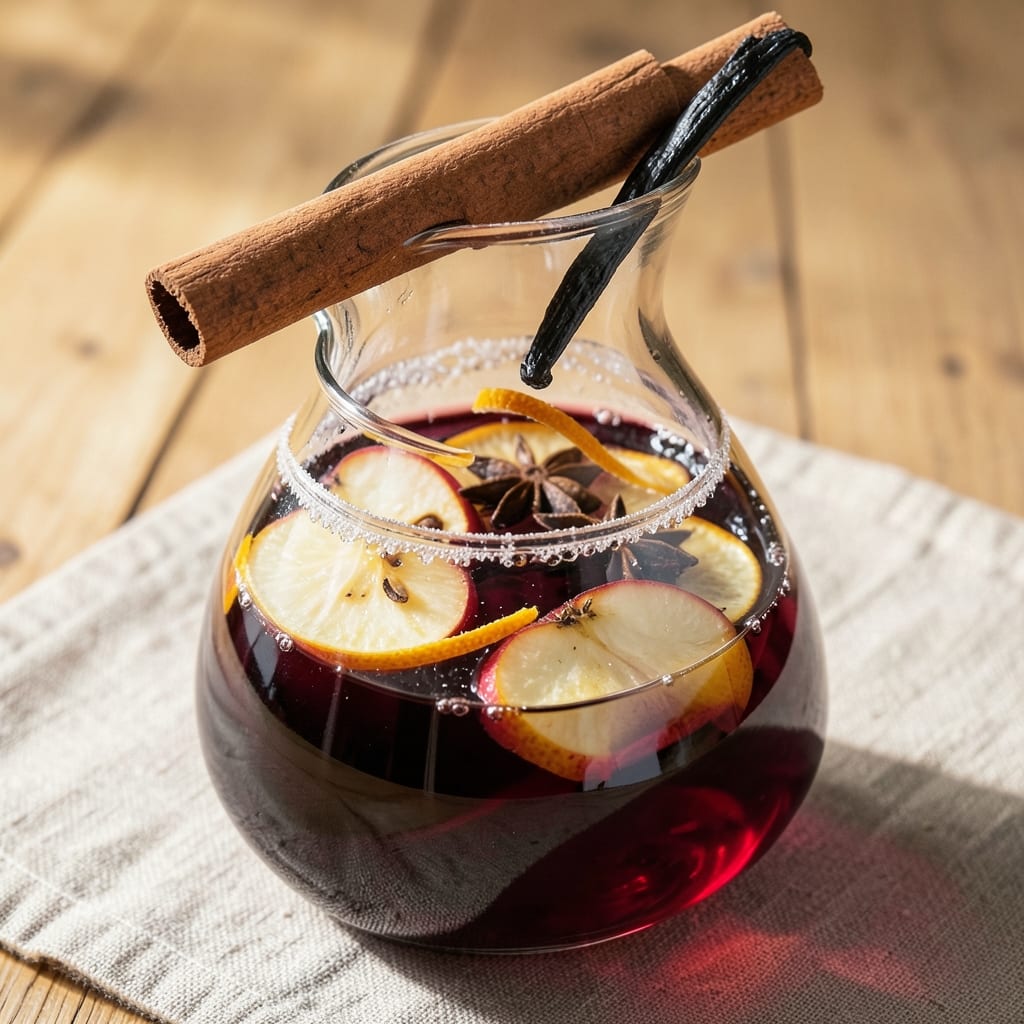
This apple cinnamon wine recipe transforms simple autumn flavors into a rich, spiced beverage that's perfect for sipping by the fire. The slow simmer of apples, cinnamon, and wine creates layers of warmth and complexity that feel like a cozy hug in a glass. I've perfected this method over years of testing, ensuring every batch delivers that perfect balance of sweet, spicy, and tart notes.
The process begins with carefully simmering apples and spices in wine until the flavors meld into a fragrant syrup. This concentrated base is then diluted and left to ferment gently, developing depth and character over time. Sterilization and proper proofing are critical steps—don't skip them—to ensure a safe, high-quality result that you can be proud of.
What you'll end up with is a velvety-smooth wine with hints of caramelized apple, warm cinnamon, and a touch of spice that lingers on the palate. It's versatile enough to pair with desserts, cheese boards, or enjoy on its own as a sophisticated after-dinner drink. The aroma alone will transport you to a rustic autumn kitchen.
Whether you're making this for a gathering or treating yourself to a special evening, this recipe delivers restaurant-quality results with minimal effort. The key is patience—allowing the flavors to develop fully ensures every sip is worth the wait. Let's get started on creating your own batch of this comforting, flavorful wine.
Ingredients for apple cinnamon wine
Six bottles of wine become a spiced, autumnal masterpiece with just these twelve ingredients.
| Ingredient | Amount | Notes |
|---|---|---|
| Red Wine 🍷 | 2 bottles | Dry red variety, like Cabernet Sauvignon |
| Apples 🍎 | 4 whole | Honeycrisp or Granny Smith, peeled and sliced |
| Cinnamon Sticks 🌿 | 4 whole | High-quality, aromatic variety |
| Orange Peel 🍊 | 1 whole | Unwaxed orange, zest only |
| Granulated Sugar 🍚 | 1 cup | White or raw cane sugar |
| Vanilla Bean 🌸 | 1 whole | Split lengthwise for seeds |
| Ground Cloves 🌶️ | ½ tsp | Freshly ground for depth |
| Star Anise 🌟 | 2 whole | Lightly crushed for aroma |
| Water 💧 | 1 cup | Filtered or distilled |
| Lemon Juice 🍋 | 1 tbsp | Freshly squeezed |
| Yeast Nutrient 🧪 | 1 tsp | For fermentation support |
| Campden Tablets 💊 | 1 whole | For sterilization |
The red wine is the foundation—Cabernet Sauvignon or Merlot work best for their bold structure. Grab a local winery selection or Trader Joe's budget-friendly bottles for consistency. Apples should be firm and aromatic—Honeycrisp for sweetness or Granny Smith for tartness. Peel them before slicing to avoid bitterness. Cinnamon sticks should be whole and aromatic—McCormick or Penzeys brands are reliable. For the orange peel, unwaxed organic ensures no artificial flavors interfere with the delicate balance of spices.
No Honeycrisp apples? Braeburn or Fuji work well too. Skip the orange peel? A dash of orange extract adds brightness without the texture. Running low on vanilla bean? Pure vanilla extract (1/2 tsp) mimics the flavor. The Campden tablet is non-negotiable—it sterilizes the wine and prevents spoilage. If you can't find it, potassium metabisulfite works as a substitute. For the yeast nutrient, Difco or Lalvin brands are trusted choices. The star anise and cloves should be whole and aromatic—if they smell stale, replace them.
Store the sterilized equipment in a cool, dark place until ready to use. Once the wine is fermented, bottle it in sterilized glass and store in a dark cabinet for 4-6 weeks to develop flavors. The finished wine keeps for up to 2 years unopened, but once opened, refrigerate and consume within 3 days. For gifting, paraffin wax seals bottles beautifully—Amazon sells affordable kits. Always label bottles with the date to track aging.
Why You'll Love This Recipe
- Pantry Magic: I swear by this one—just grab what’s already there. No fancy shopping trips or obscure spices. That red wine you’ve been saving? The apples turning soft in your fruit bowl? The cinnamon sticks collecting dust? Boom, you’re golden.
- Warm Spice Hug: The moment the cinnamon and orange peel steep into that wine, it smells like autumn wrapped in a blanket. Sweet, cozy, and just a little bit fancy—without trying. Honestly, the first sip makes me want to slow down and savor it.
- Holiday Ready: Between us, this is my secret weapon for Thanksgiving leftovers. Pour it over roasted chicken or drizzle it on apple crumble—suddenly, your fridge becomes a flavor powerhouse. And it’s not just for holidays; I’ve served it chilled at summer picnics too.
- Stretches Your Budget: A single bottle of wine and a few apples go a long way. I’ve made gallons of this for parties, and it costs next to nothing. Plus, the leftovers? Freeze them for mulled wine later—no waste, all reward.
Step-by-step instructions for apple cinnamon wine
Here's how to transform simple ingredients into a fragrant, spiced wine perfect for gifting or sipping.
Sterilize and Prepare the Base
Crush the 1 whole Campden Tablets between two spoons and dissolve it in the 1 cup Water in a clean glass jar. This sterilizes the mixture and prevents unwanted fermentation. Stir until fully dissolved, then add the 2 bottles Red Wine to the jar, leaving about 1 inch of headspace.
Next, add the 1 cup Granulated Sugar and the 1 tbsp Lemon Juice. The sugar will feed the yeast later, while the lemon juice adds brightness and helps preserve the wine. Swirl the jar gently to dissolve the sugar completely. This step is crucial—if sugar remains undissolved, it can create off-flavors during fermentation.
Add Spices and Fruit
Peel and slice the 4 whole Apples into thin rounds or small chunks, removing any seeds or cores. Add them to the jar along with the 4 whole Cinnamon Sticks, 1 whole Orange Peel (cut into thin strips), 1 whole Vanilla Bean (split lengthwise), 0.5 tsp Ground Cloves, and 2 whole Star Anise. Lightly crush the star anise and cloves to release their aromatic oils without turning them into a powder.
Gently stir the mixture to ensure all ingredients are submerged. The apples should float slightly, but that’s okay—they’ll sink as they soften. Leave the jar uncovered for now to allow any air bubbles to escape. This step infuses the wine with warm, comforting spices and the natural sweetness of the apples, creating a harmonious flavor profile that develops beautifully over time.
Add Yeast Nutrient and Seal
Dissolve the 1 tsp Yeast Nutrient in a small amount of the wine mixture (about 2 tablespoons) in a separate cup. Yeast nutrient provides essential minerals that support healthy fermentation. Stir this solution thoroughly, then pour it back into the jar.
Seal the jar tightly with a lid or fermentation lock. If using a fermentation lock, ensure it’s secure to prevent contamination while allowing carbon dioxide to escape. Place the jar in a dark, cool spot (around 65-70°F) where it won’t be disturbed. This temperature range encourages slow, steady fermentation without overheating the mixture. Let it sit for 7-10 days, stirring gently every 2-3 days to redistribute the flavors and prevent mold from forming on the surface.
Ferment and Age
After 7-10 days, taste the wine to check for sweetness. If it still tastes sweet, let it ferment for another 3-5 days. The goal is to achieve a balance between sweetness and acidity—you want it to taste like a rich, spiced apple cider rather than cloyingly sweet. Once it reaches your desired sweetness level, remove the jar from the fermentation area and store it in a cool, dark place for at least 4-6 weeks to allow the flavors to mature and meld together.
During aging, the wine will continue to develop complexity. The spices will soften, the apple flavors will deepen, and the wine will take on a smoother, more refined character. This step is where the magic happens—the wine transforms from a simple mixture into a sophisticated, aromatic beverage with layers of flavor. Patience here is key; rushing the aging process will result in a less nuanced final product.
Bottle and Enjoy
After aging, strain the wine through a fine-mesh sieve or cheesecloth into a clean glass bottle or jar to remove any remaining fruit pieces or spices. Discard the solids or compost them. Seal the bottle tightly and store it in the refrigerator to slow down any further fermentation.
The wine will continue to improve over time, so let it sit in the fridge for at least 2-4 weeks before serving. When ready, pour it into glasses and savor the warm, spiced flavors of autumn. This apple cinnamon wine makes a wonderful gift, a cozy drink for chilly evenings, or a unique addition to holiday celebrations. Each sip should remind you of the comforting aromas of cinnamon, vanilla, and ripe apples, perfectly balanced with the depth of red wine.
Pro Tips For Making Apple Cinnamon Wine
- Simmer Slow and Steady: I learned this the hard way—boiling your wine like a mad scientist ruins it. Keep the heat at a gentle simmer (tiny bubbles, not rolling) for at least 30 minutes. Too much heat turns the wine harsh and alcoholic, and you’ll end up with something closer to vinegar than spiced apple cider.
- Core Apples, No Compromises: Use firm, tart apples like Granny Smith or Honeycrisp—no mushy Gala or overripe fruit. Peel and core them, then slice into even chunks (about ¼-inch thick). Uneven pieces cook at different rates, and you’ll end up with some soggy, others still raw.
- Skip the Overcrowded Pot: Packing the pot too tight means the apples won’t infuse properly, and the cinnamon sticks will just float like lazy river logs. Start with a single layer of apples, then add the wine, orange peel, and cinnamon. If you need more apples, work in batches—your patience will pay off.
- Strain Twice for Clarity: After simmering, let the mixture cool slightly, then strain through a fine-mesh sieve. But here’s the trick: do it twice. The first pass catches big chunks, but the second—through a clean cheesecloth or coffee filter—removes the fine sediment that makes your wine look cloudy. Trust me, it’s worth the extra 5 minutes.
Serving suggestions for this dish
Cozy Dessert Pairings
This spiced wine shines with warm apple desserts like caramel apple galette or cinnamon-spiced apple crisp. The wine’s caramelized apple notes complement the buttery crust beautifully. For something lighter, serve with vanilla bean ice cream—the vanilla in both ingredients creates a harmonious flavor bridge. 🍏
Cheese Board Harmony
Create a fall-inspired cheese board featuring aged cheddar, brie, and Gouda alongside the wine. The wine’s acidity cuts through the richness of the cheeses while its cinnamon warmth enhances nutty flavors. Add honeycomb slices, walnuts, and dried apricots for texture and sweetness that mirror the wine’s profile.
Holiday Toast Potential
This wine is perfect for Thanksgiving or Christmas gatherings—serve it chilled in glass wine bottles with candied pecans as a garnish. The cinnamon and vanilla evoke holiday baking, while the wine’s depth makes it a sophisticated alternative to mulled wine. I’ve hosted Thanksgiving dinners where this was the star drink—guests always ask for seconds! 🎄
Cocktail Elevation
Use the wine as a base for spiced cocktails. Mix equal parts with ginger beer and a splash of orange liqueur for an autumnal twist on a Moscow Mule. For a non-alcoholic version, reduce the wine with apple cider and vanilla syrup, then chill. The spices carry through beautifully in both versions.
Bread and Charcuterie
Pair with sourdough bread slathered with herb butter and prosciutto for a sophisticated appetizer. The wine’s acidity cleanses the palate between bites of salty meat and rich bread. Add fig jam or whipped goat cheese for an extra layer of sweetness that complements the wine’s spiced apple character.
Seasonal Sipping Ritual
Enjoy this wine as a slow-sipped evening beverage alongside dark chocolate squares or spiced nuts. The wine’s complexity makes it ideal for savoring—each sip reveals new layers of cinnamon, apple, and vanilla. I love serving it in copper mugs during crisp autumn evenings for an extra cozy touch. ☕
Nutrition facts
Frequently asked questions
Can I use white wine instead of red wine for this recipe?
The recipe is designed for red wine to create a bold, spiced profile, but you can substitute with white wine if preferred. For best results, use a dry white like Sauvignon Blanc or Chardonnay. The flavor will be lighter and more floral, but the apple and cinnamon notes will still shine through beautifully. Just reduce the fermentation time slightly since white wine ferments faster.
How do I know when the fermentation process is complete?
Fermentation is done when the wine tastes balanced—no longer overly sweet with just a hint of fizz. After 7-10 days, taste it daily. If it still tastes sweet, let it ferment another 2-3 days. The wine should have a smooth, spiced apple character with no harsh alcohol bite. If bubbles stop forming, that's another sign fermentation has slowed or stopped.
What if I don't have Campden tablets for sterilization?
You can substitute with 1/4 teaspoon potassium metabisulfite dissolved in the water. This serves the same purpose—sterilizing the wine and preventing unwanted bacteria. If neither is available, boil all equipment and ingredients for 5 minutes before combining. Just be aware this may slightly alter the wine's flavor profile by adding a tiny bit of sulfite aroma.
Can I make this wine without alcohol?
Yes! Replace the wine with 4 cups apple cider and 1 cup water, then follow the same steps. Omit the Campden tablet and yeast nutrient, as these are for alcohol fermentation. Simmer the mixture for 30 minutes instead of fermenting, then strain and chill. The result will be a delicious, spiced apple cider that's perfect for fall gatherings.
How long will the finished wine keep?
Once bottled and refrigerated, this wine will stay fresh for up to 2 years unopened. After opening, consume within 3-5 days for best quality. The flavors actually improve with time, so don't be afraid to let it age. For gifting, use sterilized glass bottles with wax seals to maintain freshness during shipping.