
Beverages
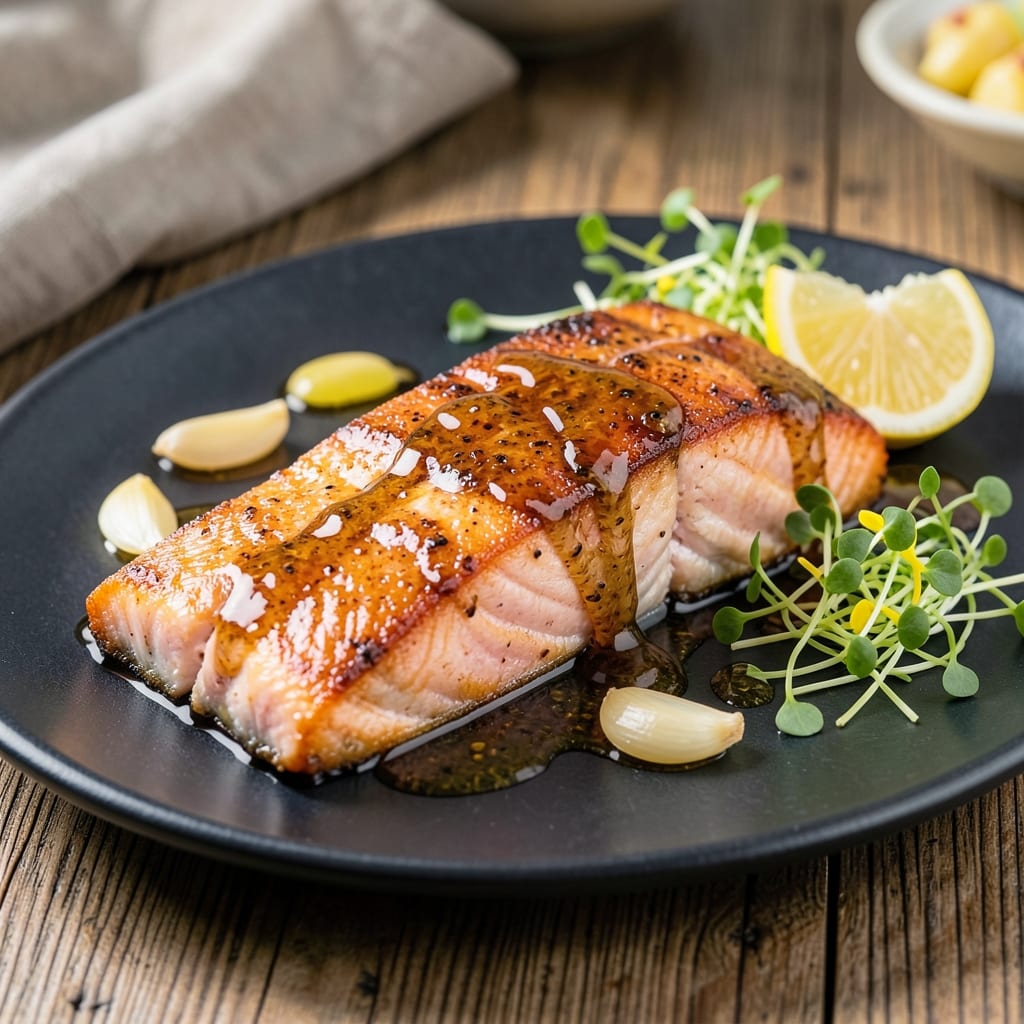
This apple cider vinegar salmon recipe transforms simple salmon fillets into a restaurant-worthy dish with just a few bright, tangy ingredients. The key lies in the marinade—apple cider vinegar tenderizes the fish while adding a subtle sweetness that cuts through the richness. I developed this recipe after years of experimenting with vinegar-based glazes, and it never fails to impress.
The process is straightforward: salmon fillets marinate for just 20 minutes in a blend of apple cider vinegar, honey, and aromatic spices, then bake until perfectly flaky and golden. The vinegar not only enhances the natural sweetness of the salmon but also creates a beautiful caramelized crust. This method ensures every bite delivers that ideal balance of tender fish and bright, tangy flavor.
What makes this recipe stand out is how it elevates a basic protein into something special with minimal effort. The glaze caramelizes beautifully, adding depth without overpowering the delicate taste of the salmon. Serve it with roasted asparagus or a simple green salad to complement the dish’s vibrant flavors.
Perfect for weeknight dinners or special occasions, this recipe delivers restaurant-quality results in under 30 minutes. The apple cider vinegar marinade works wonders, making even the simplest salmon fillets taste like a gourmet creation. Let’s get cooking!
Ingredients for apple cider vinegar salmon
Bright tangy ingredients transform simple salmon into a restaurant-worthy dish with minimal effort.
| Ingredient | Amount | Notes |
|---|---|---|
| Salmon Fillets 🐟 | 4 whole | Skin-on, even thickness preferred |
| Apple Cider Vinegar 🍏 | ¼ cup | Raw, unfiltered for best flavor |
| Honey 🍯 | ¼ cup | Wildflower preferred for depth |
| Extra-Virgin Olive Oil 🫒 | 2 tbsp | Light fruity variety for balance |
| Fresh Ginger 🌿 | 1 tbsp | Finely grated, aromatic |
| Garlic Cloves 🧄 | 3 cloves | Minced, fresh preferred |
| Soy Sauce 🍶 | 1 tbsp | Low-sodium for flavor control |
| Sesame Oil 🌰 | 1 tsp | Toasted, for aroma |
| Diamond Crystal Kosher Salt 🧂 | 1 tsp | For seasoning and marinade |
| Ground Black Pepper 🌶️ | ½ tsp | Freshly cracked for intensity |
| Fresh Lemon Juice 🍋 | 1 tbsp | Brightens the glaze |
The salmon fillets are the foundation—look for skin-on, even thickness at Whole Foods or your local fishmonger. Wild-caught Alaskan salmon delivers the best texture and flavor, though farmed Atlantic works in a pinch. The vinegar and honey combination is what truly elevates this dish; Bragg Organic apple cider vinegar and Madhava honey are my go-to brands for that perfect balance of tang and sweetness. Fresh ginger and garlic are non-negotiable here—dried substitutes will never provide the same aromatic punch. If you're short on time, pre-minced garlic from the refrigerated section works, but fresh is always superior.
No apple cider vinegar? White wine vinegar or rice vinegar in equal parts will work, though the flavor profile shifts slightly. Substituting honey? Maple syrup or agave nectar maintain the sweetness, though the texture of the glaze may vary. Sesame oil can be omitted if you're avoiding nuts, but the aroma is crucial—toasted sesame paste works as a direct substitute. For extra depth, a pinch of smoked paprika adds complexity without overpowering. The soy sauce adds umami, but if you're avoiding sodium, coconut aminos provide a similar profile. Always taste the marinade before applying—adjust sweetness or acidity as needed for your preference.
The salmon marinates best in the fridge for 20 minutes, no longer—over-marinating can make the flesh mushy. Store any leftover marinade in an airtight container for up to 1 week in the refrigerator, though it's best used fresh. The cooked salmon reheats beautifully; microwave for 20-30 seconds with a damp paper towel to retain moisture. For meal prep, portion the glaze separately and reheat with the salmon to maintain its vibrant sheen. The glaze keeps for 3 days in the fridge, though it's best used immediately for peak flavor.
Why You'll Love This Recipe
- Five-Ingredient Magic: That’s it—just salmon, a splash of vinegar, honey, oil, and ginger. No fancy prep, no chopping marathon, just a quick glaze that takes 10 minutes to mix and 15 to bake. Honestly, I’ve made this on days I forgot to meal prep and still had energy to stand.
- Sweet-Tangy Wake-Up: The vinegar cuts through the richness of the salmon while the honey adds this unexpected caramelized sweetness. Fresh ginger? It’s the secret—bright, zesty, like a little burst of sunshine in every bite. (Yes, even on a Tuesday night.)
- Lunchbox or Dinner Star: This salmon reheats beautifully for packed lunches or feeds a crowd when doubled. I’ve served it at casual dinners, potlucks, and even as a fancy-ish weeknight meal—no one ever guesses how simple it is.
- Leftovers That Don’t Suck: Unlike other glazed salmon recipes, this one stays moist and flavorful for days. Store it in the fridge and reheat with a splash of water—crispy edges, tender center, no dryness. My go-to for when I’m too tired to cook but still want something special.
Step-by-step instructions for apple cider vinegar salmon
Here's the method for achieving perfectly flaky salmon with a vibrant, tangy glaze that balances sweet and savory notes.
Prepare the Glaze Ingredients
In a small saucepan, combine the 0.25 cup apple cider vinegar, 0.25 cup honey, 1 tbsp fresh ginger, 3 cloves minced garlic, 1 tbsp soy sauce, and 1 tbsp fresh lemon juice. Bring the mixture to a gentle simmer over medium heat, then reduce to low heat and let it cook for 5-7 minutes until slightly thickened.
You'll notice the aroma intensify as the flavors meld—this is when the vinegar's acidity begins to mellow and the honey starts to caramelize. Stir occasionally to prevent sticking, and watch for the mixture to reduce by about 20% (it should coat the back of a spoon). Remove from heat and stir in 1 tsp sesame oil—this adds depth and a nutty aroma that complements the salmon beautifully.
Season the Salmon Fillets
While the glaze simmers, pat the 4 whole salmon fillets dry with paper towels, removing any excess moisture from the skin. This step is critical—wet skin prevents proper browning and crisping. Place the fillets skin-side down on a clean work surface and sprinkle evenly with 1 tsp diamond crystal kosher salt and 0.5 tsp ground black pepper. Gently press the seasoning into the flesh, ensuring even distribution.
Let the seasoned fillets rest at room temperature for 10-15 minutes. This allows the salt to penetrate the surface, enhancing flavor and texture. The skin should remain dry and intact—if any moisture appears, pat it dry again before proceeding.
Sear the Salmon for Crispy Skin
Heat 2 tbsp extra-virgin olive oil in a large skillet over medium-high heat until shimmering but not smoking. Carefully place the salmon fillets skin-side down in the pan, ensuring they lie flat. Cook undisturbed for 4-5 minutes until the skin turns a deep golden brown and crispy—this is your signal that the skin has rendered properly and the flesh is beginning to set.
Here's the thing—don't press down on the fillets or flip them prematurely. The skin needs to develop that crisp texture, and the flesh will cook through evenly as the heat transfers. You'll know it's time to flip when the skin releases easily from the pan and the edges curl slightly at the corners.
Glaze and Finish Cooking
Carefully flip the salmon fillets and spoon the prepared glaze evenly over the top of each fillet. Return the pan to medium heat and cook for an additional 3-4 minutes until the salmon reaches an internal temperature of 145°F (measured at the thickest part of the fillet). The glaze should bubble gently and begin to caramelize, creating a glossy finish.
Watch the glaze closely—it should coat the salmon evenly without burning. If it thickens too quickly, add 1-2 teaspoons of water to loosen it slightly. The salmon is done when it flakes easily with a fork and the edges pull away cleanly from the skin, indicating perfect doneness.
Rest and Serve
Transfer the salmon fillets to a serving platter and let them rest for 3-5 minutes before serving. This resting period allows the juices to redistribute throughout the flesh, ensuring each bite remains moist and flavorful. The glaze will continue to set slightly as it cools, creating a beautiful contrast between the crispy skin and the tender, flaky interior.
Serve immediately with your choice of sides—steamed vegetables, a fresh salad, or a sprinkle of sesame seeds for added texture. The balance of sweet, tangy, and umami flavors in this glaze makes it a versatile dish for any occasion, from weeknight dinners to special gatherings.
Pro Tips For Making Apple Cider Vinegar Salmon
- USE MEDIUM-HEAT GINGER: I learned this the hard way—sautéing fresh ginger too hot turns it bitter. For this recipe, keep the heat at a steady medium while mincing it. The goal is to soften it enough to blend into the vinegar-honey mix without burning, so it adds brightness, not ash.
- SALT SALMON 20 MINUTES EARLY: Salmon releases water when cooked, and this recipe’s acidity (thanks, vinegar) makes it worse. Salt the fillets skin-side down on a plate, then let them sit uncovered in the fridge for 20 minutes. The seasoning penetrates deeper, and the skin crisps better—no soggy surprises.
- DILUTE VINEGAR FIRST: Pouring straight apple cider vinegar onto hot salmon? That’s how you end up with a pucker-inducing mess. Mix it 1:1 with water before adding honey and oil—this mellows the acid and lets the flavors marry smoothly. Trust me, your taste buds will notice.
- REST SALMON UNDER FOIL: Cutting into salmon too soon turns it from flaky perfection to a sad, dry pile. After cooking, tent it with foil for 5–7 minutes. The residual heat keeps it moist while you finish the glaze—no last-minute scrambling to save a dry fillet.
Creative variations of this dish
Asian-Inspired Glaze
Swap the honey for 3 tbsp maple syrup and add 1 tbsp rice vinegar to deepen the umami profile. Include 1 tsp grated fresh ginger and 1 tsp grated galangal (if available) for an authentic Thai touch. Finish with ½ tsp toasted sesame seeds and a drizzle of chili oil for heat. This variation keeps the apple cider vinegar but leans into bold, aromatic flavors. 🌶️
Mediterranean Twist
Replace the soy sauce with 1 tbsp Dijon mustard and add 1 tsp dried oregano plus ½ tsp smoked paprika to the marinade. Use lemon zest instead of fresh lemon juice for a brighter, citrus-forward glaze. Garnish with kalamata olives and a sprinkle of feta cheese crumbles before serving. The vinegar's tang pairs beautifully with Mediterranean herbs and briny notes.
Spicy Sweet Heat
Boost the heat by adding 1 tbsp sriracha or 1 tsp cayenne pepper to the glaze. For extra depth, stir in 1 tsp gochujang (Korean chili paste) and a pinch of ground cinnamon. This fusion of sweet, tangy, and fiery flavors works exceptionally well with skinless salmon fillets for a quicker cook time. Serve with a cooling side like mango avocado salsa to balance the heat.
Herb-Infused Glaze
Fresh herbs elevate the glaze to new heights. Add 1 tbsp finely chopped fresh dill or thyme leaves to the marinade, and finish with a sprinkle of chopped parsley or cilantro after cooking. For a French-inspired touch, include 1 tsp tarragon and a pinch of black peppercorns in the glaze. The herbs brighten the vinegar's acidity while adding complexity. 💫
Smoky Maple Version
For a deeper, smokier flavor, replace half the apple cider vinegar with ¼ cup maple syrup and add ½ tsp liquid smoke or 1 tsp smoked salt to the marinade. Use brown sugar instead of honey for a caramelized finish. This variation works beautifully with grilled salmon and pairs well with charred corn and avocado for a smoky, summery dish.
Citrus Burst Glaze
Enhance the brightness by adding 2 tbsp freshly squeezed orange juice and 1 tsp orange zest to the glaze. Include ½ tsp ground coriander for a Middle Eastern flair. The citrus complements the apple cider vinegar’s tang while adding a refreshing twist. Serve with a side of roasted citrus segments or a cucumber-dill salad to highlight the zesty flavors.
Nutrition facts
Frequently asked questions
Can I use this recipe with frozen salmon?
Frozen salmon works, but thaw it completely in the refrigerator overnight first. Pat it completely dry before seasoning—any moisture will prevent the skin from crisping properly. For best results, use skin-on fillets as the skin helps maintain texture during freezing.
How do I adjust the glaze if I don't have honey?
Swap honey for 3 tbsp maple syrup or agave nectar—both maintain the sweetness. If you prefer less sugar, reduce the amount by 1 tbsp and add 1 tsp extra lemon juice to balance the flavor. The glaze will still caramelize, though the texture may be slightly thinner.
Why does my salmon skin not get crispy?
Crispy skin requires three things: completely dry fillets, high heat (medium-high), and undisturbed cooking for 4-5 minutes. Pat the skin thoroughly with paper towels, and avoid pressing down on the fillets—this releases moisture and prevents browning. If your pan isn't hot enough, the skin will steam instead of crisp.
Can I make this recipe ahead of time?
Prepare the glaze up to 1 day ahead and store it in an airtight container in the fridge. Reheat gently before using. For the salmon, marinate for only 20 minutes before cooking—longer marinating can make the flesh mushy. Cook fresh for the best texture, but you can reheat cooked salmon in the oven at 300°F for 5-7 minutes if needed.
What's the best way to serve this salmon?
Pair it with sides that complement the bright, tangy flavors: roasted asparagus, a simple arugula salad with lemon vinaigrette, or steamed jasmine rice. For extra contrast, serve with pickled vegetables or a cooling cucumber salad. The glaze's sweetness also works well with grilled or roasted root vegetables like carrots or parsnips.