
Beverages
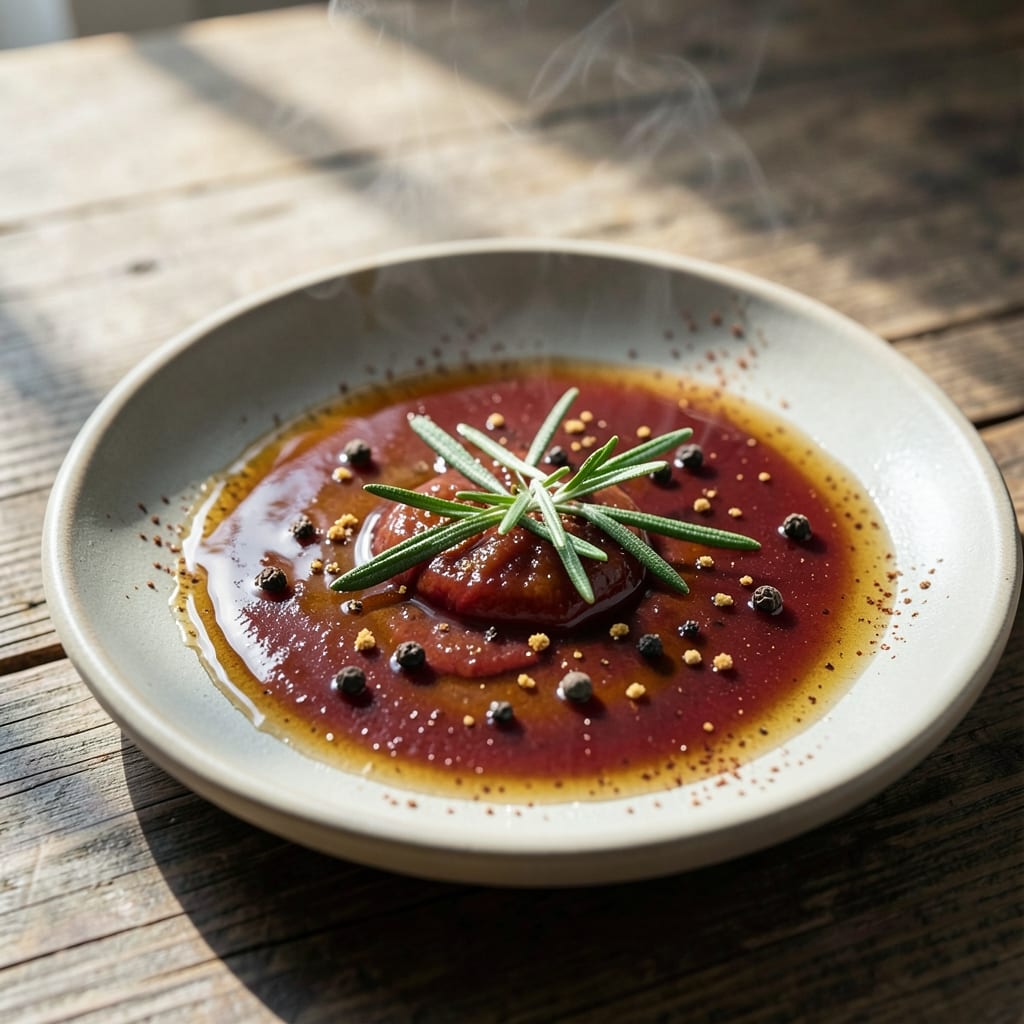
This apple cider vinegar reduction recipe transforms simple pantry staples into a bold, glossy glaze that elevates everything from roasted meats to fresh salads. The process is straightforward—simmer vinegar, sugar, and optional spices until thickened—but the results are restaurant-worthy, with deep umami notes and a perfect balance of tangy sweetness. I developed this recipe after realizing how much more vibrant my dishes became with just a drizzle of this concentrated flavor.
The key to success lies in controlled simmering—reducing the liquid by half creates a syrupy consistency that clings beautifully to proteins or vegetables. You can customize it with cinnamon for warmth, fresh herbs for brightness, or even a pinch of smoked paprika for depth. This versatile sauce works as a marinade, glaze, or finishing drizzle, making it a must-have for any home cook looking to add complexity to their meals.
Once reduced, this glaze keeps well in the refrigerator for up to two weeks, allowing you to prepare it ahead for busy weeknights. Its bold umami profile makes it ideal for pairing with grilled chicken, pork tenderloin, or even drizzled over arugula and goat cheese. The reduction’s glossy sheen and concentrated flavor ensure every bite is memorable, proving that simple ingredients can deliver extraordinary results.
For best results, use high-quality apple cider vinegar and reduce the mixture over medium-low heat to prevent burning. The subtle caramelization that occurs during simmering deepens the sauce’s richness, creating a finish that’s both sophisticated and approachable. Whether you’re hosting a dinner party or simply elevating a weeknight meal, this reduction is your secret weapon for adding depth and shine.
Ingredients for apple cider vinegar reduction
Nine simple ingredients transform into a restaurant-quality glaze that adds depth to any dish.
| Ingredient | Amount | Notes |
|---|---|---|
| Apple Cider Vinegar 🍏 | 1 cup | High-quality, unfiltered preferred |
| Granulated Sugar 🍚 | ¾ cup | Light brown sugar for depth |
| Fresh Rosemary 🌿 | 2 tbsp | Chopped, or dried at 1 tsp |
| Smoked Paprika 🌶️ | 1 tsp | For subtle smokiness |
| Ground Cinnamon 🌿 | ½ tsp | Optional for warmth |
| Salt 🧂 | ½ tsp | Kosher or sea salt |
| Black Peppercorns 🌶️ | 5 whole | Crushed for texture |
| Fresh Thyme Leaves 🌿 | 1 tbsp | Or 1 tsp dried thyme |
| Olive Oil 🫒 | 1 tbsp | For finishing drizzle |
The apple cider vinegar is the foundation—Bragg or local orchard brands have the best flavor. If you can't find unfiltered, regular white vinegar works in a pinch (just add an extra pinch of sugar to balance). The sugar should be light brown for that subtle caramel note, but white works too if that's what you've got. Fresh herbs like rosemary and thyme add layers of complexity, so don't skip them if you've got them. Penzeys or the bulk section at Whole Foods are great for quality spices if you're stocking up.
No fresh rosemary? Dried works at one-third the amount—just crush it between your palms first to wake up the flavor. Short on thyme? Fresh oregano or basil both work beautifully. The smoked paprika can be swapped for regular paprika if you're avoiding smoke, but it's what gives this reduction its signature depth. The olive oil at the end isn't just for finishing—it helps emulsify the glaze so it clings better to meats or veggies. Extra-virgin olive oil adds a pleasant fruitiness, but any good-quality oil will do.
This reduction keeps for 2 weeks in the fridge once cooled, so make extra for next week's meals. Store it in a clean glass jar with a tight seal—it'll thicken as it cools, so you can thin it with a splash of water or vinegar if needed. I like to portion it into small jars for easy use. The flavors actually improve over time, so don't hesitate to make a big batch. Freezes beautifully for up to 6 months if you want to prep ahead for holiday meals.
Why You'll Love This Recipe
- Pantry Magic: I swear by this—just five ingredients, no fancy techniques. Simmer the vinegar and sugar until it thickens into a glossy, smoky-sweet sauce, then toss in rosemary sprigs and let them steep. Honestly, it’s the kind of recipe where you forget you’re even cooking.
- Smoky-Sweet Obsession: That first bite of smoked paprika and cinnamon dancing with tangy vinegar? It’s like autumn in a spoonful. The rosemary adds a fresh, herbal kick that cuts through the richness—perfect for when you crave something bold but balanced.
- Glaze for Everything: Drizzle it over roasted Brussels sprouts, glaze grilled chicken, or even swirl it into yogurt for a tangy twist. I’ve used it as a marinade, a salad dressing, and even a finishing touch for ice cream. Between us, it’s my secret weapon for turning simple meals into showstoppers.
- Leftovers That Last: Make a big batch and store it in the fridge for up to two weeks—it only gets better as the flavors meld. Plus, the ingredients are cheap, so you’re not breaking the bank for something this versatile. I’ll be real: this is the kind of sauce that makes me feel like I’ve earned my lazy Sunday mornings.
Step-by-step instructions for apple cider vinegar reduction
Here's how to transform simple pantry staples into a rich, aromatic glaze that elevates everything from grilled meats to fresh salads.
Combine Ingredients in a Saucepan
In a medium saucepan, combine the 1 cup apple cider vinegar, 0.75 cup granulated sugar, 2 tablespoons chopped fresh rosemary, 1 teaspoon smoked paprika, 0.5 teaspoon ground cinnamon, 0.5 teaspoon salt, and 5 whole black peppercorns. Give everything a gentle stir to ensure the sugar dissolves completely and all spices are fully incorporated.
Here's the thing—using light brown sugar here adds subtle caramel notes that balance the vinegar's acidity. If you're using dried rosemary, reduce to 1 teaspoon and crush the peppercorns lightly with the flat side of a knife first to release their oils. This step sets the foundation for all the flavor development to come.
Simmer Until Reduced by Half
Place the saucepan over medium-high heat and bring the mixture to a gentle boil. Once boiling, immediately reduce the heat to medium-low and let it simmer uncovered for 15-20 minutes. You're looking for a reduction that thickens noticeably—about halfway to the original volume—while maintaining a glossy sheen.
Stir occasionally to prevent sticking, especially during the first 5 minutes when the sugar is most active. You'll notice the aroma intensify as the vinegar's sharpness mellows into something more complex. The reduction should coat the back of a spoon when you lift it—this is your visual cue that it's ready for the next step.
Add Fresh Thyme and Finish with Olive Oil
Remove the pan from heat and let it cool slightly for 2-3 minutes. Stir in the 1 tablespoon fresh thyme leaves, then add the 1 tablespoon olive oil while the mixture is still warm. The oil will emulsify with the reduction, creating a silky texture that's perfect for drizzling.
I like to let the glaze sit for another 5 minutes off the heat—this allows the thyme to infuse its bright aroma without becoming bitter. The final product should have a deep amber color and a balance of sweet, tangy, and herbal notes. If it's too thick, whisk in 1 teaspoon water to reach your desired consistency.
Strain and Store Properly
Line a fine-mesh strainer with cheesecloth and strain the reduction into a clean bowl or jar, pressing gently on the solids to extract all the flavor. Discard the strained solids unless you want to use them as a garnish for garnishes or braises. The strained glaze should be smooth with no visible particles.
Let the glaze cool completely before transferring to an airtight container. It will keep in the refrigerator for up to 2 weeks or can be frozen for 3 months. For best results, reheat gently in a saucepan over low heat before using—this preserves the delicate balance of flavors you've worked so hard to create.
Pro Tips For Making Apple Cider Vinegar Reduction
- STIR CONSTANTLY UNTIL IT THICKENS: I learned this the hard way—skipping the stir when the mixture starts to bubble means you’ll end up with a lumpy, uneven reduction. Once the sugar dissolves and the liquid starts to simmer hard, keep that spoon moving in slow circles. The second it coats the back of a spoon like syrup, you’re done. No guesswork.
- USE A SPLASH OF WATER FIRST: Sugar and vinegar don’t play nice at first. Add 1 tablespoon of water to your pot before the sugar—it helps it dissolve smoothly instead of clumping into a grainy mess. Stir until fully combined, then crank up the heat. (Yes, even if you’re impatient like me.)
- TOAST THE CINNAMON AND PAPRIKA: Dry-toast the cinnamon and smoked paprika in a separate pan for 30 seconds over low heat—just until you smell that warm, toasty aroma. Then whisk them into the reduction at the end. It deepens their flavor without bitterness. (Your future self will notice the difference.)
- STRAIN THE ROSEMARY AFTER SIMMERING: Add the rosemary sprigs whole with the rest, but remove them before the reduction thickens completely. The needles bruise and turn bitter if left too long. Use a fine-mesh strainer or cheesecloth—just don’t skip this step, or you’ll taste grass instead of pine.
Serving suggestions for apple cider vinegar reduction
Drizzle Over Proteins
This glaze is a game-changer for grilled or roasted meats. Brush 1-2 tablespoons onto pork chops, chicken thighs, or salmon just before serving—it caramelizes beautifully in the last 2-3 minutes of cooking. For extra richness, marinate your protein in ¼ cup of the reduction for 30 minutes before cooking. I love using it on herb-crusted lamb chops or bacon-wrapped pork tenderloin—the smoky-sweet balance is unbeatable. 🔥
Salad Enhancer
Transform simple salads with just a 1-teaspoon drizzle over greens. Pair it with arugula and goat cheese, shaved fennel and pear slices, or roasted butternut squash. The tangy-sweet glaze cuts through creamy textures while adding depth. For extra flair, sprinkle with toasted walnuts or crumbled blue cheese after drizzling. Trust me, your salad will taste like a gourmet restaurant dish.
Roasted Vegetable Glaze
Toss vegetables like carrots, Brussels sprouts, or sweet potatoes with 1 tablespoon olive oil and 1 teaspoon of this reduction before roasting. The glaze caramelizes during cooking, creating a sticky, flavorful crust. Roast at 400°F for 20-25 minutes, stirring halfway. I especially love this technique with honey-glazed carrots—the apple cider notes add a surprising depth. 🥕
Dipping Sauce
Serve this reduction as a bold dipping sauce for fried chicken, mozzarella sticks, or crispy Brussels sprouts. Thin with 1-2 teaspoons warm water if needed for easier dipping. The balance of sweet, tangy, and herbal flavors makes it addictive. For a spicy kick, add ½ teaspoon cayenne pepper to the dipping bowl. It’s perfect for game day or as a quick appetizer.
Breakfast Upgrade
Drizzle ½ teaspoon over pancakes, French toast, or yogurt parfaits for a sophisticated breakfast. The acidity cuts through rich foods while adding complexity. I especially love it with cinnamon-roll pancakes or Greek yogurt topped with granola. For extra decadence, add a pinch of cardamom to the glaze before drizzling. It’s a breakfast game-changer! ✨
Garnish for Garnishes
Use the strained solids from the reduction (rosemary, thyme, peppercorns) as a fragrant garnish for soups, stews, or braised dishes. The glaze itself can also be reduced further into a syrup-like consistency for drizzling over vanilla ice cream or cheese plates. The smoky-sweet notes pair beautifully with aged cheddar or brie. Think of it as a flavorful edible garnish that elevates any dish.
Nutrition facts
Frequently asked questions
Can I use white vinegar instead of apple cider vinegar?
While you can substitute white vinegar, you'll lose the complex apple notes and subtle sweetness that make this reduction special. For a similar tang, try using balsamic vinegar instead—it adds depth and richness without the sharpness of white vinegar. If you must use white vinegar, increase the sugar to 1 cup to balance the acidity.
How do I know when the reduction is done?
The reduction is ready when it's reduced by half and coats the back of a spoon smoothly. Look for a glossy sheen and a syrupy consistency—it should be thick enough to drizzle but still pourable. If it's too thick, whisk in 1 teaspoon water or vinegar to reach your desired consistency.
Can I make this reduction without sugar?
Yes, but the flavor will be much sharper and less balanced. If you're avoiding sugar, try using date syrup or honey instead—both add natural sweetness and depth. Use ¼ cup of either, as they're more concentrated than granulated sugar. The reduction will still thicken, but the flavor profile will shift toward herbal and smoky notes.
Why did my reduction turn cloudy or separate?
Cloudiness often happens if the mixture boils too vigorously or if you didn't strain it properly. To fix it, gently reheat the reduction over low heat and whisk in 1 teaspoon of olive oil or butter to help emulsify it. If it still separates, strain it again through a fine-mesh sieve. For future batches, reduce heat to medium-low and stir frequently to prevent boiling over.
How can I use this glaze in cooking beyond just drizzling?
This versatile reduction works as a marinade, braising liquid, or even a salad dressing base. For marinades, combine ¼ cup of the glaze with 2 tablespoons olive oil and let proteins soak for 30 minutes before cooking. For braising, deglaze the pan with ½ cup of the reduction after searing meat. Thin it with a splash of water or broth if needed for sauces.