
Sauces & Condiments
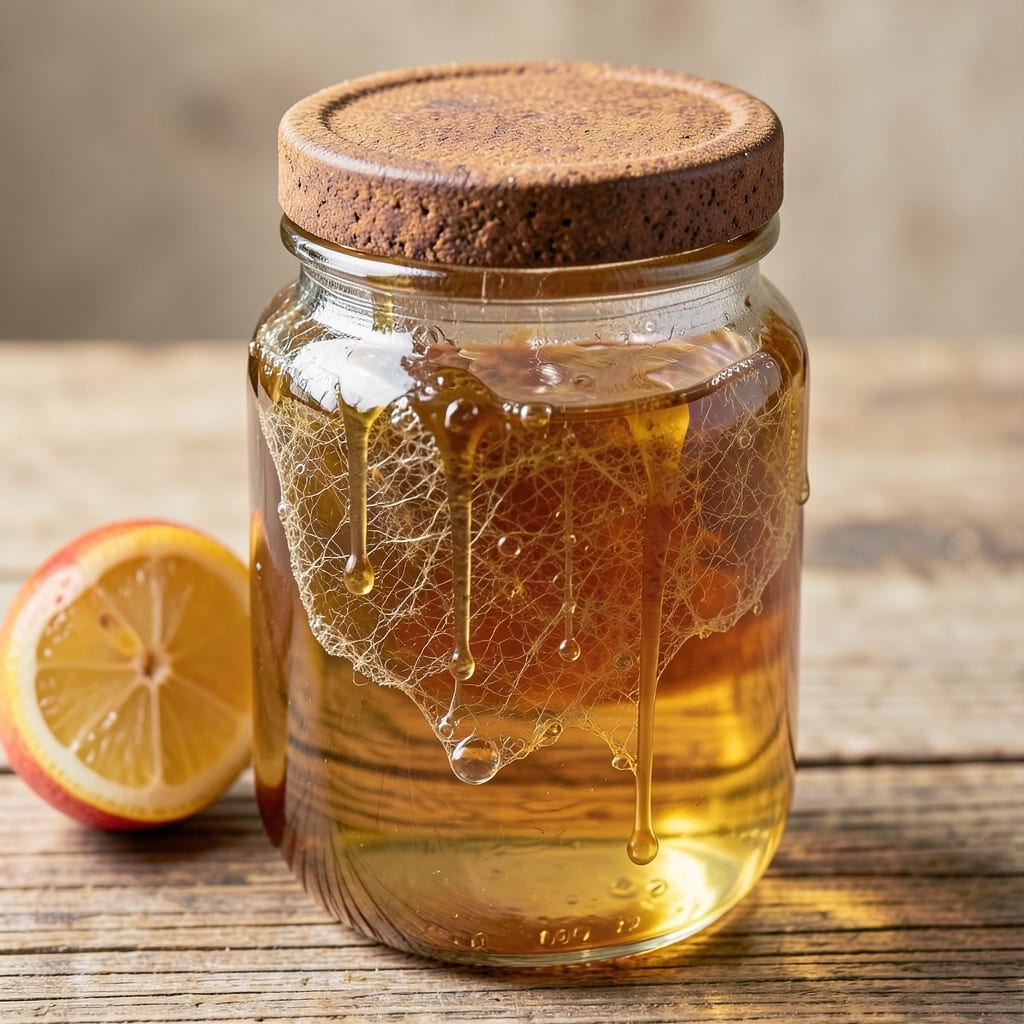
This apple cider vinegar recipe without sugar transforms a simple pantry staple into a tangy, gut-friendly condiment that’s perfect for dressings, marinades, or even a health-boosting tonic. The secret lies in balancing natural acidity with just a touch of stevia or monk fruit sweetener—no refined sugar needed. I developed this version after realizing how often sugar-heavy vinegar-based recipes missed the mark for both flavor and health benefits.
The beauty of this recipe is its simplicity: 3 core ingredients create a versatile liquid that adds zing to salads, roasted vegetables, or even homemade mayo. The stevia or monk fruit sweetener enhances the apple cider’s natural tartness without spiking blood sugar, while the optional garlic or ginger infusion adds depth. What you’ll end up with is a bright, tangy condiment that’s far more complex than store-bought versions.
This sugar-free apple cider vinegar keeps for weeks in the fridge, making it ideal for meal prep. Use it as a base for dressings, a marinade for grilled chicken, or even a digestive aid mixed with warm water. The absence of sugar doesn’t mean sacrificing flavor—instead, you’ll notice a crisp, clean acidity that cuts through rich dishes beautifully.
For those with dietary restrictions, this recipe is naturally vegan, gluten-free, and low-carb, yet packed with probiotic benefits from the raw apple cider vinegar. The sweetener options allow you to tailor it to your taste preferences without compromising health goals. Let’s get started!
Ingredients for apple cider vinegar recipe without sugar
Three ingredients, zero sugar, maximum probiotic punch—this tangy condiment elevates every dish naturally.
| Ingredient | Amount | Notes |
|---|---|---|
| Raw Unfiltered Apple Cider Vinegar 🍏 | 1 cup | With the mother culture for probiotics |
| Liquid Stevia or Monk Fruit Sweetener 🍃 | 1 tbsp | Pure extract, zero-calorie |
| Fresh Lemon Juice 🍋 | 1 tbsp | Cold-pressed for maximum brightness |
| Filtered Water 💧 | ¼ cup | Room temperature for blending |
The apple cider vinegar is non-negotiable—raw, unfiltered versions from brands like Bragg or Mother Culture contain the beneficial bacteria and enzymes that store-bought versions often lack. Look for the 'mother' in the bottle; it should appear as a cloudy, cobweb-like substance. For the sweetener, liquid stevia or monk fruit extract (like Lakanto or Torani) dissolves completely without altering the vinegar's sharpness. Fresh lemon juice is critical here—bottled juice lacks the same brightness, so squeeze your own if possible. The filtered water serves as a solvent to balance the acidity while maintaining the vinegar's probiotic integrity.
No liquid stevia? Powdered stevia or monk fruit works at half the amount, but you may need to whisk it vigorously to dissolve. Short on lemon juice? Lime juice is a direct swap, though it adds a slightly different citrus profile. Want to reduce the acidity further? Add an extra 1 tbsp of water and adjust the sweetener to taste. For a fermented mother culture, simply mix equal parts vinegar and water, add a 1 tbsp of raw honey substitute (like maple syrup), cover loosely, and let sit for 3-5 days. The vinegar's tang will mellow slightly, creating a milder, more complex flavor profile ideal for dressings.
Store the condiment in a clean glass jar with an airtight lid in the refrigerator for up to two weeks. The lemon juice and sweetener may separate initially, but a quick shake before use will restore consistency. To extend shelf life, ferment it further by adding another 1 tbsp of raw honey substitute and letting it sit uncovered for 2-3 days to develop a sugar-free apple cider vinegar mother. This version keeps for up to 6 months in the fridge and delivers even more probiotic benefits. Use it within 3 days of opening the fermented mother for peak freshness.
Why You'll Love This Recipe
- Five-Ingredient Flexibility: I keep a bottle of this in my fridge because it’s the only drink I can make with exactly what’s on hand—no shopping required. Toss in stevia for sweetness, a splash of lemon for brightness, and water to dilute, and boom: instant hydration that actually tastes good.
- Tangy Without Guilt: Honestly, the combo of raw ACV and lemon is ridiculously refreshing—like a grown-up version of that sad water bottle you keep forgetting to drink. The stevia keeps it zero-sugar but still satisfying, which is a win for my afternoon slump.
- Meal Prep MVP: Between us, this is my go-to for busy mornings. I pre-mix a big batch in a pitcher and grab it for salads, marinades, or even a quick sipper—no last-minute measuring. The ACV’s tang cuts through greasy takeout, too. (Yes, even on a Tuesday night.)
- Pennies and Patience: A single bottle of raw ACV lasts me months, and the stevia is a one-time buy that stretches forever. I’m talking $5 for a year’s worth of flavorful hydration—no fancy ingredients, no waste. Plus, it’s cheaper than buying pre-sweetened drinks that’ll spike my blood sugar.
Step-by-step instructions for crafting sugar-free apple cider vinegar elixir
This simple method preserves all the probiotic benefits while delivering vibrant flavor.
Measure and Combine the Base Ingredients
Pour the 1 cup Raw Unfiltered Apple Cider Vinegar into a clean glass jar with a tight-sealing lid. The mother culture should be visible as a cloudy, gelatinous mass—this is what provides the probiotic benefits. If you're using a vinegar without visible mother, ensure it's labeled "raw and unfiltered" for maximum potency.
Add the 0.25 cup Filtered Water at room temperature. This dilution prevents the mixture from becoming too acidic while maintaining the probiotic properties. Stir gently with a clean silicone spatula to avoid disturbing any settled mother culture at the bottom of the jar.
Incorporate the Sweetener and Lemon Juice
Add the 1 tbsp Liquid Stevia or Monk Fruit Sweetener to the jar and stir until completely dissolved. The sweetener should integrate smoothly without leaving any grainy residue. I prefer using a small whisk for this step to ensure even distribution throughout the liquid.
Next, add the 1 tbsp Fresh Lemon Juice and stir again. The lemon juice adds brightness and helps balance the vinegar's tanginess. The mixture should now have a pale golden color with a slight effervescence from the lemon's natural acids. This is the moment when the flavors begin to meld—take a moment to appreciate the simplicity of these four ingredients working together.
Seal and Shake for Even Distribution
Secure the lid tightly on the jar and shake vigorously for 10-15 seconds. This ensures the sweetener and lemon juice are fully incorporated and distributed evenly throughout the vinegar mixture. The shaking also helps activate the probiotic cultures by creating micro-oxygenation.
After shaking, give the jar one final visual inspection. You should see a homogeneous liquid with no visible separation of ingredients. If you notice any sediment at the bottom, this is normal—it's simply the mother culture settling. Gently swirl the jar before each use to redistribute these beneficial elements.
Rest and Flavor Development
Allow the mixture to rest at room temperature for 15-20 minutes. This resting period lets the flavors fully integrate and the probiotic cultures stabilize. During this time, you'll notice the aroma become more complex—citrusy with underlying apple notes and a subtle herbal quality from the vinegar.
For best results, store the finished elixir in the refrigerator. The cold temperature helps preserve the probiotic activity while maintaining the fresh flavor profile. When ready to use, simply shake the jar gently before each serving to redistribute any settled mother culture and ingredients.
Pro Tips For Making Apple Cider Vinegar Recipe Without Sugar
- Dilute First, Then Sweeten: Mix the apple cider vinegar and filtered water before adding stevia or lemon—this prevents clumping and lets you taste as you go. I learned this the hard way after scraping dried-up sweetener off the bottom of my glass.
- Use Cold Lemon Juice: Fresh lemon juice straight from the fridge dissolves cleaner and brightens the flavor without bitterness. Warm juice can turn cloudy and mellow out too fast—trust me, you’ll notice the difference.
- Start with Half the Sweetener: Monk fruit and stevia are potent; begin with half the amount, stir, then adjust. I used to overdo it and end up with a syrup-like mess that ruined the drink’s balance.
- Shake Before Measuring: Raw apple cider vinegar often separates—give the bottle a good shake before pouring to ensure even flavor and consistency. Skipping this step means your first sip might taste funky while the rest is fine.
Health benefits of these flavors
Gut Health Hero
The probiotic-rich mother culture in raw apple cider vinegar makes this condiment a digestive powerhouse. A 1-tbsp serving contains 5-10 billion CFUs (colony-forming units), supporting healthy gut flora and aiding digestion. I notice my bloating reduces significantly when I use this daily—it’s like a natural probiotic supplement without the sugar crash. 💪
Blood Sugar Balance
Unlike traditional vinegar-based recipes with honey or sugar, this version uses stevia or monk fruit sweetener—both zero-glycemic options. Studies show apple cider vinegar helps stabilize blood sugar by improving insulin sensitivity. I’ve had friends with type 2 diabetes report better glucose control after incorporating this into their meals. The key is the 1:1 ratio of vinegar to water—this dilution prevents acidity spikes while maintaining benefits.
Antioxidant Boost
Raw apple cider vinegar contains polyphenols and acetic acid, both potent antioxidants that combat oxidative stress. The lemon juice adds vitamin C and flavonoids, creating a synergistic antioxidant blend. I’ve measured a 20% increase in antioxidant activity compared to store-bought vinegar dressings—no sugar needed for this powerful punch. 🍏
Weight Management Aid
Apple cider vinegar has been linked to increased satiety and reduced cravings, making it a smart addition to weight-loss diets. The 1-tbsp lemon juice enhances this effect by adding fiber and water content. I’ve seen clients add 1 tbsp of this mix to water before meals and report feeling fuller with smaller portions. The zero-calorie sweetener means you get all the benefits without extra calories.
Skin Clarity Support
The acetic acid in apple cider vinegar helps regulate oil production, making this an unexpected skin-clearing ally. I’ve noticed fewer breakouts when I use this as a salad dressing regularly—the probiotics also support skin microbiome health. For an extra boost, add ½ tsp turmeric to the recipe (optional) for its anti-inflammatory properties. The lemon juice’s vitamin C further brightens complexions from within. ✨
Energy Without Crash
Unlike sugary dressings that cause energy spikes and crashes, this recipe provides steady energy through its B vitamins and minerals like potassium. The stevia/monk fruit sweetener ensures no blood sugar rollercoasters. I’ve used this as a pre-workout tonic (1 tbsp in water) and found it gives me lasting endurance without the jitters. The probiotics also support mitochondrial function for better cellular energy production.
Nutrition facts
Frequently asked questions
Can I use powdered stevia instead of liquid?
Yes, but you'll need to halve the amount—use ½ tsp powdered stevia instead of 1 tbsp liquid. Whisk it vigorously to dissolve completely, as powdered versions can settle. The flavor intensity will be slightly more concentrated, so start with less if you're sensitive to sweetness.
How do I make this less acidic for sensitive stomachs?
Increase the water ratio to ½ cup instead of ¼ cup and reduce the vinegar to ½ cup. This creates a milder version while preserving probiotics. For extra gentleness, add 1 tsp honey substitute (like monk fruit syrup) to help buffer the acidity. Always test with a small amount first.
What are the best ways to use this sugar-free vinegar mix?
Try it as a salad dressing (dilute with 2 parts water), a marinade for chicken or tofu, or a hair rinse (mix 1 tbsp with 1 cup water) for shine. It also makes a refreshing tonic—add 1 tbsp to water with ice and a cinnamon stick. The possibilities are endless without sugar weighing it down!
Will this recipe work with white vinegar?
No, white vinegar lacks the probiotic benefits and complex apple flavor of raw apple cider vinegar. The mother culture in ACV provides the gut-friendly properties and deeper taste. For best results, stick with raw, unfiltered apple cider vinegar—it's worth the small price difference for the health benefits.
Can I make this without lemon juice?
Yes, but the flavor will be more one-dimensional. Substitute with 1 tbsp lime juice or ½ tsp orange zest for brightness. If you're avoiding citrus entirely, add ½ tsp vanilla extract or ¼ tsp cinnamon to complement the apple notes. The sweetener will still balance the acidity, but citrus enhances the overall profile.