
Sauces & Condiments
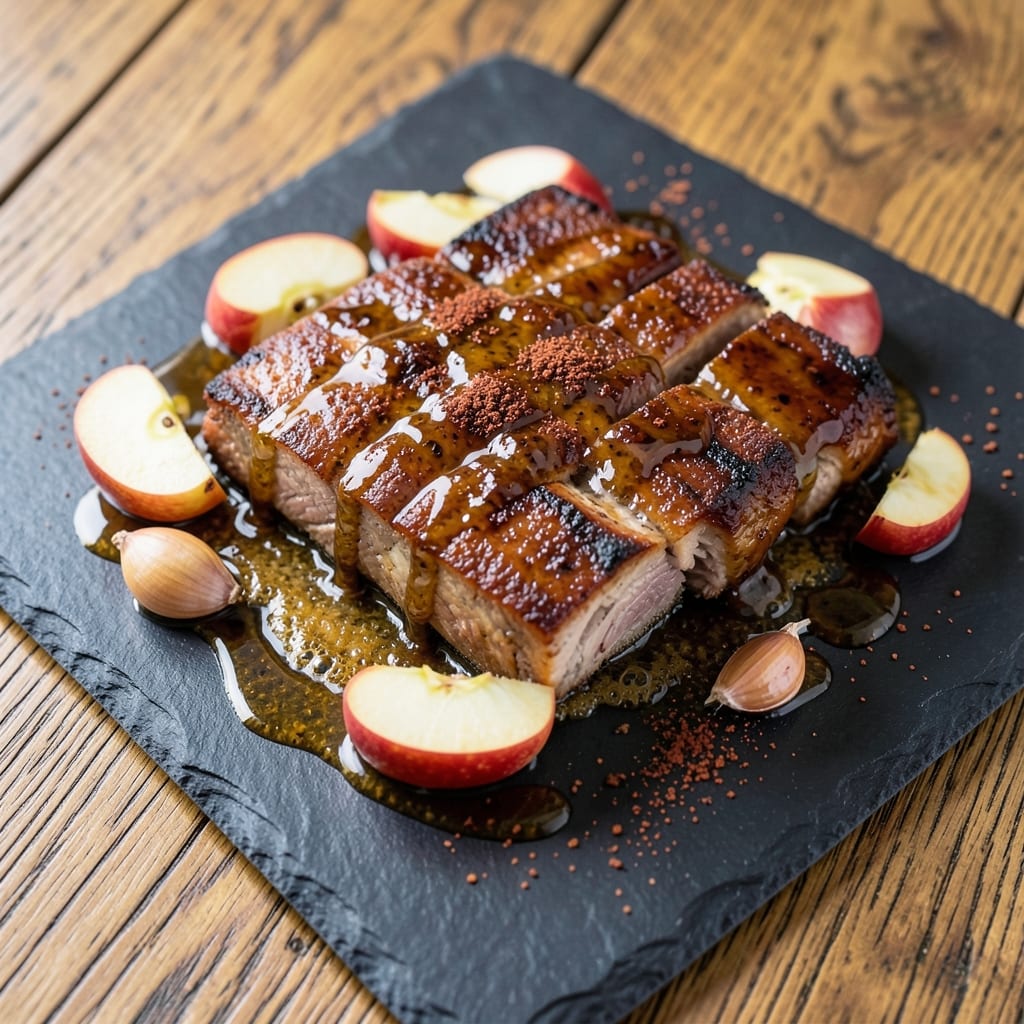
This apple cider vinegar BBQ recipe transforms ordinary grilled meats into finger-licking masterpieces with its perfect balance of tangy sharpness and deep, caramelized sweetness. 🔥 The secret lies in simmering the vinegar with brown sugar until it develops that signature glossy sheen—no artificial additives, just pure, smoky depth that clings to every bite. I developed this recipe after years of experimenting with vinegar-based marinades, and it’s become my go-to for everything from ribs to chicken wings.
The sauce starts with a simple blend of apple cider vinegar, molasses, and spices, but the magic happens during the 30-minute simmer on the stovetop. As the vinegar cooks down, it transforms into a rich, syrupy glaze that caramelizes beautifully on high heat—ideal for grilling or broiling. The molasses adds a subtle smokiness, while a pinch of cayenne brings just enough heat to keep things interesting. No need for complicated techniques; this sauce is all about patience and letting the flavors meld naturally.
What you’ll end up with is a smoky-sweet glaze that’s tangy enough to cut through rich meats but sweet enough to satisfy any BBQ craving. The edges caramelize to a glossy finish, while the interior remains juicy and packed with flavor. This isn’t just another store-bought sauce—it’s a restaurant-quality glaze that elevates even the simplest grilled dishes. Whether you’re slow-cooking ribs or quick-searing chicken thighs, this sauce delivers every time.
Perfect for grilled meats, roasted vegetables, or even as a marinade for tofu, this apple cider vinegar BBQ sauce is versatile enough for any occasion. The best part? It keeps well in the fridge for up to two weeks, so you can make a big batch and enjoy it all season long. Let’s get cooking—your taste buds will thank you.
Ingredients for apple cider vinegar bbq
This smoky-sweet glaze transforms BBQ into restaurant-quality magic with just ten bold ingredients.
| Ingredient | Amount | Notes |
|---|---|---|
| Apple Cider Vinegar 🍎 | 1 cup | Raw, unfiltered preferred |
| Molasses 🍯 | ½ cup | Unsulphured for best flavor |
| Brown Sugar 🍚 | 1 cup | Light or dark variety |
| Garlic Cloves 🧄 | 4 cloves | Minced for infusion |
| Onion Powder 🧅 | 1 tbsp | Freshly ground preferred |
| Smoked Paprika 🌶️ | 1 tbsp | For deep smokiness |
| Ground Black Pepper 🌶️ | ½ tsp | Freshly cracked |
| Cayenne Pepper 🔥 | ¼ tsp | Adjust for heat |
| Salt 🧂 | 1 ½ tsp | Kosher or sea salt |
| Honey 🍯 | ¼ cup | Wildflower preferred |
The apple cider vinegar is the heart of this sauce—Bragg or Texas Pete are my go-tos, but any raw, unfiltered brand works. The molasses adds that signature smokiness, so unsulphured is key (it’s worth hunting down at specialty stores or bulk bins). Brown sugar caramelizes beautifully during the simmer, creating that glossy sheen. I always grab organic garlic from the farmers market—it’s sweeter and adds depth. The smoked paprika? Penzeys has the best quality, but any reputable brand works. Pro tip: Toast your spices in a dry pan for 30 seconds before adding to deepen their flavors.
No molasses? Maple syrup at half the amount works in a pinch, though it won’t have the same smoky depth. Short on honey? Agave nectar is a 1:1 swap, but honey’s floral notes are irreplaceable. The cayenne can be swapped for red pepper flakes at double the amount—just taste as you go. No smoked paprika? Regular paprika plus a pinch of liquid smoke gets you close. The garlic and onion powder are non-negotiable for that aromatic base, but if you’re feeling fancy, fresh minced shallots add a whole new layer of complexity. For a sweeter glaze, bump the honey to 0.5 cup—trust me on this.
This sauce keeps for 2 weeks in the fridge once cooled, so make a big batch. The caramelized edges stay glossy if you store it in a glass jar with a tight seal. For longer storage, freeze in ice cube trays—perfect for quick glaze-ups on the grill. Reheat gently in a saucepan with a splash of water to restore that silky texture. The flavors actually improve the next day as everything melds together—double batch and thank me later.
Why You'll Love This Recipe
- Pantry Magic: Honestly, this sauce comes together with stuff you already have—no specialty trips to the store. That tangy molasses and apple cider vinegar combo? It’s like a flavor shortcut that still tastes homemade.
- Deep Umami Kick: Between us, the garlic cloves and onion powder give it this unexpected depth. It’s sweet but sharp, sticky but not cloying—like a hug from a smoky campfire.
- Weeknight & BBQ Hero: Slather it on chicken for dinner, toss it with roasted veggies for lunch, or even drizzle it over sandwiches. The molasses keeps it rich, so it works for everything from grilled ribs to slow-cooker pork.
- Budget Stretch: A little goes a long way—this batch feeds a crowd and still leaves enough for next week’s leftovers. (Yes, even on a Tuesday night.) The vinegar cuts the cost of molasses, so your wallet stays happy.
Step-by-Step instructions for smoky-sweet apple cider vinegar BBQ glaze
Here's how to craft this incredible glaze that delivers perfect caramelization every time.
🍳 Step 1: Infuse the Vinegar with Garlic and Spices
In a medium saucepan, combine the 1 cup apple cider vinegar, 4 minced garlic cloves, 1 tbsp onion powder, 1 tbsp smoked paprika, 1.5 tsp salt, 0.5 tsp ground black pepper, and 0.25 tsp cayenne pepper. Bring to a gentle simmer over medium heat and let it bubble for 5 minutes until the garlic is fragrant and the spices are fully dissolved.
This infusion step is crucial—it builds the aromatic foundation of your glaze. You'll notice the kitchen filling with that wonderful garlic aroma, and the vinegar will develop a deep, complex flavor. Keep the heat low to prevent the vinegar from boiling off too quickly, which would concentrate the spices unevenly.
🍳 Step 2: Build the Sweet Base with Molasses and Honey
Reduce the heat to low and stir in the 0.5 cup molasses and 0.25 cup honey. Let the mixture simmer gently for 10-12 minutes, stirring occasionally, until it thickens slightly and begins to coat the back of a spoon. You're looking for a syrupy consistency that's still pourable but noticeably thicker than when you started.
The molasses adds that deep, rich sweetness while the honey contributes floral notes and helps balance the acidity. Here's where the magic starts to happen—the mixture will transform from a simple vinegar blend into something complex and caramel-like. If you see any sugar crystals forming, stir vigorously to dissolve them completely.
🔥 Step 3: Incorporate the Brown Sugar for Caramelization
Increase the heat to medium-low and gradually whisk in the 1 cup brown sugar. Let the mixture simmer for 8-10 minutes, stirring frequently, until it reduces by about 25% and develops a glossy sheen. You'll know it's ready when it coats the spoon thickly and leaves a visible trail when you run your finger through it.
This is the caramelization stage—where the brown sugar transforms into those beautiful amber hues and complex flavors. The glaze should smell like a perfect balance of caramel, smoke, and vinegar tang. If it starts to darken too quickly, reduce the heat slightly to prevent burning. The goal is a deep amber color, not blackened sugar.
⏰ Step 4: Simmer to Perfect Consistency
Continue simmering the glaze for another 5-7 minutes until it reaches your desired thickness. It should coat the back of a spoon but still be pourable enough to glaze meats. For a thicker glaze (great for basting), simmer longer. For a thinner glaze (ideal for drizzling), reduce the time slightly. Taste and adjust seasoning with additional salt or cayenne if needed.
Here's the thing—this glaze continues to thicken as it cools, so it's better to err on the thinner side. The perfect consistency should allow it to cling beautifully to meats while still being spreadable. When you're satisfied with the texture, remove the pan from heat and let the glaze cool slightly before using—this prevents steam from diluting it when you apply it to hot foods.
🍽️ Step 5: Use Immediately or Store Properly
For immediate use, apply the warm glaze to your grilled meats, roasted vegetables, or even as a marinade. The heat from cooking will help it caramelize further, creating that irresistible sticky crust. For storage, transfer the cooled glaze to an airtight container and keep it refrigerated for up to 2 weeks or freeze for up to 3 months.
This glaze is incredibly versatile—brush it on ribs during the last hour of smoking, toss it with roasted vegetables, or use it as a tangy dipping sauce. The key to its success lies in the balance of sweet, smoky, and tangy flavors that develop through careful simmering. Each batch will be slightly different, so trust your senses and adjust as needed to create your perfect glaze.
Pro Tips For Making Apple Cider Vinegar Bbq
- Simmer Slow and Low: I used to rush this sauce on high heat, and it’d turn bitter fast—especially with the vinegar. Drop the heat to a gentle simmer (just bubbles, no frenzy) and let it work for 20-30 minutes. The molasses and brown sugar need time to caramelize properly, not scorch.
- Strain the Garlic: Minced garlic burns in seconds, and that’s when the whole sauce turns acrid. Crush the cloves with the flat side of your knife first, then add them whole to the pot. After 10 minutes of simmering, fish them out with a slotted spoon—no strainer needed. The flavor infuses perfectly without the bitterness.
- Balance the Vinegar: Apple cider vinegar is bold, and too much can make this sauce taste like a cleaning product. Start with ½ cup, taste as you go, and add more only if your palate is still screaming for acid. If it’s too sharp, a pinch of brown sugar or a splash of water smooths it out—no need to scrap the whole batch.
- Skip the Powdered Onion: Onion powder is fine, but fresh or even caramelized onion adds depth this sauce craves. Sauté ½ cup finely diced onion in a little oil until soft and golden (about 5 minutes), then stir it into the vinegar at the start. The difference is subtle but makes the whole dish taste more intentional.
Regional styles of apple cider vinegar bbq
Carolina Tangy Twist
In the Carolinas, apple cider vinegar BBQ sauce gets a tangy kick with extra hot sauce and a splash of bourbon. I like adding 1 tbsp of Crystal Hot Sauce and 2 tbsp bourbon to the simmering mixture in Step 2. This version is perfect for pulled pork sandwiches—just brush it on during the last 30 minutes of cooking. The bourbon adds depth while the hot sauce keeps things lively. 🌶️
Texas Smoky Heat
Texas-style BBQ loves bold flavors, so I swap the molasses for ½ cup blackstrap molasses and add 1 tsp chipotle powder in Step 1. The blackstrap brings a deeper, almost coffee-like richness, while the chipotle adds smoky heat. This sauce is fantastic on grilled brisket or smoked chicken. For extra authenticity, finish with a sprinkle of crushed red pepper flakes right before serving. 🔥
Midwest Sweet & Smoky
The Midwest takes a sweeter approach, often using maple syrup instead of honey and adding ½ tsp cinnamon in Step 2. I’ve found that ¼ cup maple syrup replaces the honey beautifully, and the cinnamon gives it a cozy, autumnal vibe. This glaze is ideal for roasted pork tenderloin or even as a drizzle over baked beans. The caramelization happens faster here, so keep a close eye on the heat during Step 3. 🍯
Pacific Northwest Citrus Zing
Out west, they love to brighten up BBQ sauces with citrus. I add 2 tbsp fresh lemon juice and 1 tbsp orange zest to the vinegar infusion in Step 1. The citrus cuts through the richness, making it perfect for grilled salmon or shrimp skewers. For extra flair, finish with a drizzle of honey-glazed reduction after cooking. The acidity from the lemon juice also helps balance the sweetness, so you can reduce the brown sugar slightly if you prefer. 🍋
Southern Fried Chicken Glaze
In the South, this glaze isn’t just for meats—it’s a star on fried chicken. I thin the sauce slightly with 2 tbsp water in Step 4 to make it easier to brush onto crispy chicken. The vinegar’s tang cuts through the fried batter beautifully, while the molasses keeps it rich. Serve with a side of pickled vegetables to balance the flavors. Trust me, this is a game-changer for Sunday dinners. 🍗
Nutrition facts
Frequently asked questions
Can I use white vinegar instead of apple cider vinegar?
While white vinegar will work in a pinch, it lacks the complex fruitiness and subtle sweetness of apple cider vinegar. The molasses and honey won't caramelize as beautifully, and the final glaze will taste sharper and less balanced. For the best results, stick with apple cider vinegar—it's worth seeking out at specialty stores or bulk bins.
How do I adjust the sweetness level?
For a sweeter glaze, increase the brown sugar to 1.25 cups or add an extra 2 tablespoons of honey. For less sweetness, reduce the brown sugar to 0.75 cup and cut the honey to 1 tablespoon. Always taste as you simmer—you can add more vinegar later if needed to balance the sweetness.
Why does my glaze get too thick when cooling?
This happens because the sugars continue to caramelize as the glaze cools. To prevent this, stop simmering when the glaze coats the back of a spoon while still warm (not hot), then thin with 1-2 teaspoons of water or vinegar while still warm. The key is to remove it from heat just before it reaches your desired thickness—it will thicken more as it cools.
Can I make this glaze without molasses?
Yes! Replace the molasses with ½ cup maple syrup plus 1 teaspoon liquid smoke for a similar depth of flavor. For a smokier profile without molasses, increase the smoked paprika to 1.5 tablespoons and add ½ teaspoon of coffee granules (trust me, it works!). The sauce will be slightly less rich but still delicious.
How long can I keep this glaze in the fridge?
This glaze stays fresh in the fridge for up to 2 weeks when stored in an airtight container. For longer storage, freeze in ice cube trays—thaw overnight in the fridge before using. The flavors actually improve with time as the ingredients meld together. Just