
Beverages
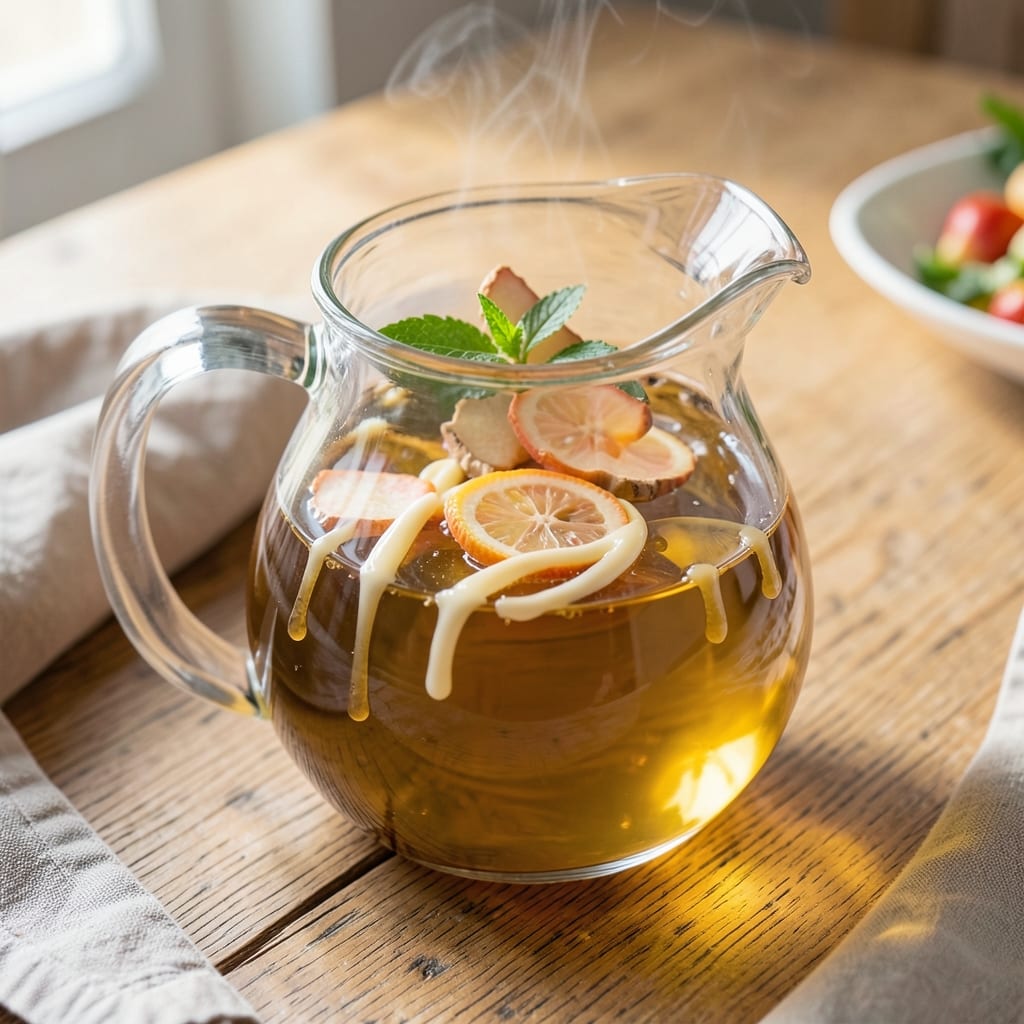
This apple cider vinegar and green tea recipe transforms simple pantry staples into a vibrant, gut-friendly elixir that supports immunity and digestion. The tangy sharpness of apple cider vinegar pairs beautifully with green tea's earthy notes, creating a balanced, health-boosting liquid that works as a dressing, marinade, or refreshing drink. I developed this blend after discovering how well the two ingredients complement each other in both flavor and functional benefits.
The beauty of this recipe lies in its versatility—use it as a zesty salad dressing with olive oil and honey, a detoxifying morning drink with lemon and ginger, or even a marinade for grilled chicken or tofu. The combination of apple cider vinegar’s probiotic properties and green tea’s antioxidants makes this a powerhouse for overall wellness. Plus, it’s incredibly easy to prepare with just a few simple ingredients.
What you’ll end up with is a bright, invigorating liquid that’s packed with flavor and health benefits. The apple cider vinegar adds a tangy kick, while the green tea provides a smooth, slightly bitter depth that rounds out the profile. Whether you’re looking to enhance your meals or simply enjoy a refreshing beverage, this recipe delivers on both fronts.
Store it in the refrigerator for up to a week, or use it immediately to keep the flavors fresh and vibrant. Pair it with fresh herbs like basil or mint for an extra layer of freshness, or drizzle it over roasted vegetables for a bright, tangy finish. Here’s how to make it!
Ingredients for apple cider vinegar and green tea
Eight simple yet potent ingredients combine to create this functional elixir.
| Ingredient | Amount | Notes |
|---|---|---|
| Organic Apple Cider Vinegar 🍏 | ½ cup | Raw, unfiltered with mother preferred |
| Loose-Leaf Green Tea 🍵 | 2 tbsp | High-quality, organic preferred |
| Raw Honey 🍯 | 2 tbsp | Local if possible, unprocessed |
| Fresh Lemon Juice 🍋 | 1 tbsp | Strained for clarity |
| Filtered Water 💧 | ½ cup | Room temperature preferred |
| Fresh Ginger Root 🧡 | 1 tsp | Finely grated, fresh preferred |
| Sea Salt 🧂 | ¼ tsp | Fine grain, uniodized |
| Cinnamon Sticks 🌿 | 1 whole | Optional, for depth |
The quality of your apple cider vinegar and green tea makes all the difference. Bragg Organic or White House vinegar deliver robust flavor, while Whole Foods loose-leaf green tea ensures optimal antioxidant content. For honey, local apiaries often provide the most vibrant flavor profiles. Fresh ginger and lemon should be organic if possible—conventional produce may contain residues that compromise the detoxifying benefits. Store vinegar in a glass bottle to preserve its beneficial enzymes, and keep tea leaves in an airtight container away from light.
No raw honey? Maple syrup or agave nectar works in a pinch, though the flavor profile shifts slightly. Substitute matcha powder at half the amount if loose-leaf isn't available, though texture will differ. For a caffeine-free version, use rooibos tea leaves instead. The cinnamon is optional but adds warmth—Ceylon cinnamon is the purest choice. If you're sensitive to acidity, reduce the lemon juice by half or omit entirely. This blend remains stable for 7 days refrigerated or 3 months frozen in ice cube trays.
This elixir's versatility makes it a pantry staple worth keeping on hand. Refrigerate in a glass jar with a tight seal to maintain freshness. For extended storage, freeze in 1-ounce portions—perfect for single servings. The flavor evolves beautifully over time, developing deeper complexity. Use within 2 weeks for optimal potency, though it remains safe indefinitely. Shake well before each use, as ingredients naturally separate during storage.
Why You'll Love This Recipe
- Five-Minute Steep: I swear, this takes less time than waiting for coffee. Just steep the green tea, add a splash of ACV and honey, and stir—no measuring cups, no fuss. Honestly, I’ve made it while scrolling through my phone.
- Bright & Tangy Kick: That zing of apple cider vinegar cuts through the grassy tea, while the honey rounds it out like a hug. The lemon juice? Pure magic—it’s refreshing, not sour, and I’ll never drink plain green tea again.
- Office & On-the-Go: Between us, this is my desk lifesaver. I keep a jar in my fridge for post-lunch pick-me-ups or toss it in my gym bag for a pre-workout boost. No blender, no prep—just grab and go.
- Lasts All Week: A big batch stays crisp for days, and it’s cheaper than buying fancy teas or tonics. I use it in dressings, marinades, or even drizzle it over oatmeal—one recipe, endless uses. My wallet and taste buds thank me.
Step-by-step instructions for crafting an immunity-boosting apple cider vinegar and green tea elixir
This potent blend combines gut-supporting vinegar with antioxidant-rich tea for a refreshing health tonic.
Steep the Green Tea for Maximum Flavor and Antioxidants
Place the 2 tablespoons loose-leaf green tea in a small saucepan and pour the 0.5 cup filtered water over it. Bring to a gentle simmer over medium heat and let steep for 3-4 minutes—this ensures optimal extraction of catechins while preventing bitterness. Remove from heat immediately after steeping to preserve delicate flavors.
Strain the tea through a fine-mesh sieve into a heatproof bowl, pressing gently on the leaves to extract every last drop. The resulting liquid should be a vibrant green with a fresh, grassy aroma. If you prefer a stronger flavor, you could steep for an additional 30 seconds, but don't exceed 4 minutes total or the tea will become astringent.
Infuse with Ginger and Cinnamon for Warmth and Depth
Return the strained tea to the saucepan and add the 1 teaspoon finely grated fresh ginger root and 1 whole cinnamon stick. Gently warm the mixture over low heat for 2-3 minutes—just until the ginger releases its aromatic oils and the cinnamon contributes subtle warmth. Avoid boiling, as this would destroy the delicate compounds you're trying to preserve.
The kitchen should fill with a fragrant blend of citrusy ginger and woody cinnamon. This infusion step enhances the elixir's anti-inflammatory properties while adding complexity. If you notice the mixture beginning to bubble, immediately reduce the heat to maintain a gentle simmer.
Incorporate the Apple Cider Vinegar and Lemon
Remove the saucepan from heat and whisk in the 0.5 cup organic apple cider vinegar and 1 tablespoon fresh lemon juice. The vinegar should be raw and unfiltered to maximize probiotic content and beneficial enzymes. Stir well to combine all ingredients thoroughly—you'll notice a slight effervescence as the acidity reacts with the warm tea base.
This combination creates a balanced acidity profile that's gentle on digestion while supporting gut health. The lemon juice adds a bright citrus note that cuts through the earthiness of the ginger and tea. Let the mixture cool to room temperature before proceeding—this prevents the honey from crystallizing when added to hot liquid.
Sweeten and Season for Palate Appeal
Once the mixture has cooled completely, whisk in the 2 tablespoons raw honey and 0.25 teaspoon sea salt. The honey should dissolve smoothly into the liquid, creating a velvety texture. If any honey remains undissolved after stirring, gently warm the mixture over low heat for 10-15 seconds just until fully incorporated.
Taste the elixir and adjust the sweetness if needed—add an additional ½ teaspoon honey if you prefer a more pronounced sweetness. The salt enhances the natural flavors while balancing the acidity. The finished mixture should have a harmonious blend of tart, sweet, and herbal notes with no single flavor overpowering the others.
Store and Serve for Maximum Freshness
Transfer the completed elixir to a clean glass jar with an airtight lid. Store in the refrigerator for up to 5 days—the cold temperature preserves the beneficial compounds while maintaining freshness. Before serving, give the mixture a gentle shake to redistribute any settled ingredients.
Serve chilled over ice for a refreshing beverage, or enjoy at room temperature for a more robust flavor experience. For an extra boost, add a few ice cubes and garnish with a thin lemon twist. This elixir makes an excellent morning tonic, post-workout recovery drink, or digestive aid after rich meals.
Pro Tips For Making Apple Cider Vinegar And Green Tea
- STEEP THE TEA FIRST: Skip the urge to mix everything at once—steep the loose-leaf green tea in hot (but not boiling) water for 3-4 minutes first. This pulls out the full flavor without bitterness, and you’ll notice the final drink tastes richer. I used to dump everything in cold, and the vinegar just muted the tea’s brightness.
- USE COOL VINEGAR: Let your apple cider vinegar sit at room temp for 10 minutes before mixing—cold vinegar can make the drink taste harsh. If you’re in a rush, chill the honey and lemon juice first; balancing warm vinegar with cold components smooths the sharpness. Trust me, your taste buds will reward you.
- MEASURE HONEY PRECISELY: Don’t eyeball the honey—use a kitchen scale or a spoon with a level edge. Too much makes it cloying; too little leaves the drink unpleasantly tart. A 1:3 ratio of honey to vinegar (by volume) is a solid starting point, but adjust based on how strong your vinegar is.
- LEMON JUICE LAST: Add the fresh lemon juice right before drinking—it oxidizes fast and dulls the brightness. If you’re prepping ahead, store the base (vinegar, tea, honey, water) separately and mix the lemon juice in when ready. Your drink will taste like it was just made, not yesterday.
Wine and beer pairings for this recipe
White Wine Pairings
For this vibrant elixir, I reach for crisp Sauvignon Blanc with its zesty citrus notes that complement the lemon and ginger perfectly. A bottle from New Zealand or Loire Valley works beautifully—just keep it well-chilled at 45-50°F to enhance the refreshing qualities. The wine's bright acidity mirrors the apple cider vinegar's tang while the herbal undertones harmonize with the green tea. 🍷
Dry Rosé Options
If you prefer something slightly fruitier, a dry Provence rosé offers a delightful contrast. The pale pink hue and strawberry undertones pair wonderfully with the elixir's herbal complexity. Look for a 2022 vintage or newer to ensure crispness. Serve at 48-52°F—just slightly warmer than white wine—to let the floral notes shine through while balancing the vinegar's sharpness.
Sparkling Wine Elevation
For a celebratory touch, try pairing with Prosecco or Cava—the effervescence cuts through the elixir's richness while the slight sweetness rounds out the acidity. A brut nature Prosecco from Veneto or a Spanish Cava with its almond and green apple notes works exceptionally well. Chill to 40-45°F to preserve the bubbles' liveliness. ✨
Beer Pairings
For beer lovers, a wheat beer like Blue Moon or Hoegaarden adds a creamy contrast to the elixir's tartness. The coriander notes in these beers complement the ginger beautifully. Alternatively, a Belgian witbier with its citrusy profile enhances the lemon and apple cider vinegar. Serve both at 45-50°F to maintain crispness.
Non-Alcoholic Options
Skip the alcohol entirely with sparkling water infused with cucumber and mint—this keeps the refreshing quality while adding a cooling contrast. For a more robust pairing, try hibiscus tea chilled—its tartness echoes the elixir's acidity. Both options work wonderfully with the elixir's herbal depth without overpowering it. 💧
Serving Temperature Tips
Always serve your elixir chilled at 40-45°F for beverages or 50-55°F when using it as a salad dressing. Cold temperatures preserve the beneficial compounds while enhancing the flavor profile. If using it as a marinade, let it come to room temperature before applying to meat or tofu for better absorption. 🌡️
Nutrition facts
Frequently asked questions
Can I use this elixir as a salad dressing instead of a drink?
Thin it slightly with 1-2 tablespoons olive oil per ¼ cup of the elixir to create a light, tangy dressing. The apple cider vinegar and green tea add depth while the honey balances the acidity. Perfect for greens, grain bowls, or roasted veggies!
How does matcha compare to loose-leaf green tea in this recipe?
Matcha works beautifully but creates a thicker, more vibrant green elixir. Use 1 teaspoon matcha powder instead of 2 tablespoons loose-leaf tea and steep in ¼ cup hot water for 2 minutes before adding to the recipe. The result will be richer in antioxidants but slightly more bitter—balance with extra honey if needed.
Will this elixir help with digestion after a heavy meal?
Yes! The combination of apple cider vinegar (which supports stomach acid production) and green tea (rich in catechins) makes this an excellent digestive aid. Sip ½ cup after eating to help break down fats and reduce bloating. The ginger and cinnamon add anti-inflammatory benefits too!
Can I make this without honey?
Certainly! Substitute with 2 teaspoons maple syrup or 1 teaspoon agave nectar for a vegan option. If you prefer no sweetener, reduce the honey to 1 tablespoon and add ½ teaspoon vanilla extract for depth. The elixir will remain tangy but more balanced.
How do I know if my elixir has gone bad?
Check for these signs: an off smell (sour or fermented), unusual bubbles/fizz, or cloudiness. If stored properly in the fridge, it should last 5-7 days. When in doubt, taste a small amount—if it tastes overly acidic or metallic, discard it. Always use clean utensils when handling.