
Beverages
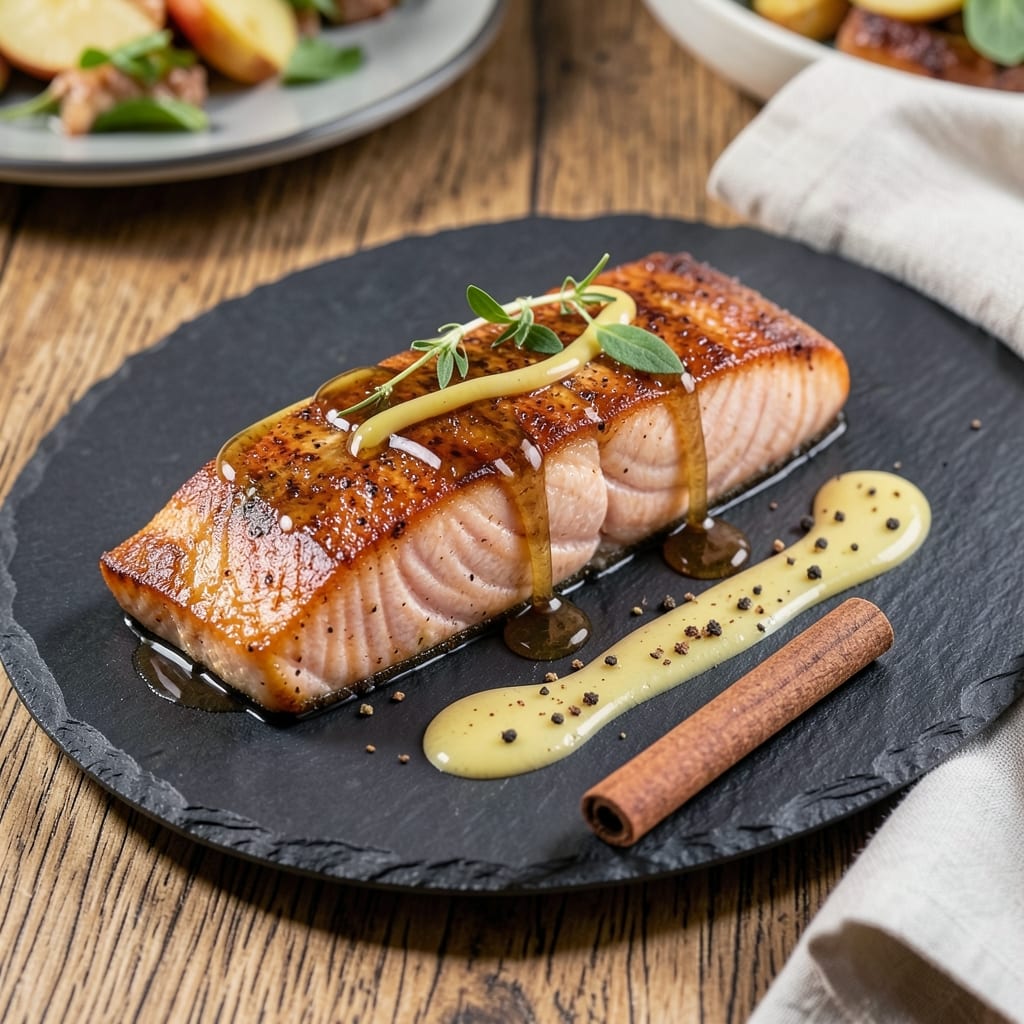
This apple cider salmon recipe transforms a simple weeknight dinner into a restaurant-worthy meal with just a few key ingredients and a sweet-spiced glaze that caramelizes the edges to perfection. The apple cider isn’t just a flavor enhancer—it’s the star, infusing the salmon with a delicate sweetness that pairs beautifully with warm spices like cinnamon and mustard. What makes this recipe special is how effortlessly it elevates humble salmon into something special, without requiring advanced techniques or hours in the kitchen.
The process is straightforward: you’ll start with fresh salmon fillets, seared in a hot pan until golden, then finished with a glaze made from reduced apple cider, honey, and a touch of Dijon mustard. This glaze doesn’t just add flavor—it creates a caramelized crust that’s crispy on the outside while keeping the fish tender and moist inside. The best part? The glaze takes just 10 minutes to prepare, and the entire dish comes together in under 30 minutes, making it ideal for a quick yet impressive dinner.
Serve this salmon alongside roasted asparagus or a bed of quinoa to balance the richness, and pair it with a glass of crisp white wine or a spiced apple cider cocktail for the full experience. The glaze’s sweetness and the salmon’s natural richness create a harmony that’s both comforting and elegant. Whether you’re cooking for a date night or a family dinner, this recipe delivers restaurant-quality results with minimal effort.
Once you try this method, you’ll never go back to plain salmon again—the apple cider glaze turns an ordinary protein into something truly memorable. Let’s get cooking!
Ingredients for apple cider salmon
Twelve ingredients transform simple salmon into restaurant-worthy elegance with caramelized edges.
| Ingredient | Amount | Notes |
|---|---|---|
| Center-Cut Salmon Fillets 🐟 | 1 ½ lb | Skin-on preferred for crispiness |
| Unsalted Butter 🧈 | 3 tbsp | Cold, cut into small cubes |
| Apple Cider 🍎 | ¾ cup | Unfiltered, preferably spiced |
| Local Honey 🍯 | 2 tbsp | Wildflower preferred for depth |
| Dijon Mustard 🥫 | 1 tbsp | High-quality, no additives |
| Fresh Cinnamon Stick 🌿 | 1 whole | For aromatic reduction |
| Garlic Cloves 🧄 | 2 cloves | Minced, for glaze base |
| Shallots 🧅 | 2 whole | Finely diced, aromatic |
| Extra-Virgin Olive Oil 🫒 | 1 tbsp | For searing, fruity variety |
| Diamond Crystal Kosher Salt 🧂 | 1 tsp | For seasoning, not iodized |
| Freshly Ground Black Pepper 🌶️ | ½ tsp | Cracked peppercorns preferred |
| Fresh Thyme Leaves 🌿 | ¼ cup | Stemmed, for finishing |
The salmon quality makes all the difference here. Center-cut fillets with skin retain their shape beautifully during searing, while avoiding the bone-in cuts that can be tricky for beginners. Look for fillets with even thickness—most grocery stores carry pre-portioned 6-ounce pieces, but if buying whole, ask the fishmonger to cut them uniformly. For the apple cider, unfiltered varieties from local orchards provide the deepest flavor, though store-bought brands like Woodchuck or Angry Orchard work perfectly. The honey should be local and raw—avoid the overly processed supermarket brands that lack complexity. All ingredients should be at room temperature before cooking to ensure even searing.
No apple cider? Substitute with unsweetened cranberry juice for tartness, though the flavor profile will shift slightly. Running short on honey? Maple syrup works at a 1:1 ratio, though it adds a distinct earthiness. The Dijon mustard can be swapped for whole-grain mustard if preferred, though it may alter the glaze's smoothness. For those avoiding gluten, ensure your mustard is certified gluten-free. The shallots can be substituted with green onions for a milder flavor, though they won't provide the same depth. If you're using a pre-made spiced apple cider, reduce it by 25% first—store-bought versions are often less concentrated than fresh. The butter should be unsalted and cold when cubed to prevent premature melting during searing.
Store fresh salmon in the coldest part of your fridge, wrapped in parchment paper, and use within 2 days for optimal texture. The glaze components can be prepped 1 day ahead and refrigerated, though the honey and mustard should be whisked again before use. Leftover salmon reheats best in a skillet over medium heat for 30 seconds per side—microwaving destroys the crispy edges. The glaze keeps for 5 days in the fridge, though it's best used within 3 days for peak flavor. For meal prep, portion the salmon into glass containers with a thin layer of glaze to maintain moisture. The thyme can be stored in a damp paper towel in the fridge for up to 5 days, though it's best used fresh.
Why You'll Love This Recipe
- One-Pan Magic: I swear by this recipe when I’m too tired to wash dishes. Just melt butter, toss in apple cider and honey—boom—the salmon practically glazes itself while you sip your wine. No flipping, no fussing, just that golden crust forming under the broiler.
- Sweet-Savory Balance: That honey-Dijon glaze? It’s the kind of flavor that makes you pause mid-bite. The apple cider cuts through the richness of the butter, while the mustard adds a little tang—like a fall afternoon in a bowl. (Yes, even on a Tuesday night.)
- Weeknight to Weekend: Make it for a lazy dinner or bring it to a holiday potluck—no one will guess it’s this simple. The leftovers reheat beautifully (microwave + foil, 30 seconds), and the glaze thickens just enough to drizzle over rice or toast.
- Budget-Friendly Luxury: Salmon feels fancy, but this recipe stretches it. The apple cider and honey bulk it up, so you’re not sacrificing flavor for cost. Plus, the glaze doubles as a dipping sauce for crusty bread—zero waste, all satisfaction.
Step-by-step instructions for apple cider glazed salmon
This method delivers perfectly caramelized edges with a sweet-spiced glaze that balances richness and acidity.
🔥 Step 1: Prepare the Salmon and Seasoning
Pat the 1.5 lb center-cut salmon fillets dry with paper towels, removing any moisture from the skin. Season both sides generously with 1 tsp diamond crystal kosher salt and 0.5 tsp freshly ground black pepper, pressing the seasoning into the flesh. Let the salmon sit at room temperature for 15 minutes while you prepare the glaze—this ensures even cooking.
The skin should remain intact and crispy, so avoid pressing too hard on the fillets. Place them on a wire rack set over a baking sheet to allow air circulation underneath, which prevents steaming and ensures a perfect sear.
🍳 Step 2: Build the Glaze Base
In a medium saucepan, combine 0.75 cup apple cider, 2 tbsp local honey, 1 tbsp dijon mustard, 2 cloves minced garlic cloves, 2 whole finely diced shallots, and 1 whole fresh cinnamon stick. Bring to a simmer over medium heat and reduce by half—about 10-12 minutes—until the mixture thickens to a syrupy consistency and the shallots are translucent.
Here's the thing—don't rush this reduction. You want the flavors to meld and the liquid to concentrate enough to coat the back of a spoon. Stir occasionally and watch for the aroma of caramelized shallots and cinnamon, which signals the glaze is developing depth.
🍳 Step 3: Sear the Salmon Skin-Side Down
Heat 1 tbsp extra-virgin olive oil in a large oven-safe skillet over medium-high heat until shimmering. Place the salmon fillets skin-side down and cook undisturbed for 4-5 minutes until the skin is deeply golden and crispy. The edges should pull away from the pan easily—this is your signal to flip.
If the salmon releases too easily before the skin is crisp, press down gently with a fish spatula for 10 seconds to ensure even contact. The skin should be firm and crackling when done. Transfer the fillets to a plate and tent loosely with foil to keep warm.
🥘 Step 4: Finish with Butter and Thyme
Return the skillet to medium heat and add the 3 tbsp cold unsalted butter, cutting it into small cubes. Let it melt completely, then pour in the reduced apple cider glaze. Simmer for 1-2 minutes until the butter is fully incorporated and the sauce is glossy. Remove from heat and stir in the 0.25 cup fresh thyme leaves. Let steep for 1 minute to infuse the aroma.
The sauce should coat the back of a spoon smoothly. If it's too thick, whisk in 1-2 teaspoons of hot water to reach a pourable consistency. The thyme adds a bright herbal note that cuts through the richness of the butter and honey.
🔥 Step 5: Glaze and Caramelize
Return the salmon to the skillet skin-side up and spoon the thyme-infused glaze evenly over the top. Transfer the skillet to a 400°F preheated oven and bake for 6-8 minutes until the salmon reaches an internal temperature of 135°F and the glaze caramelizes into a glossy, sticky coating.
Watch closely during the last 2 minutes—the edges should develop a deep amber color with slight charring. If the glaze thickens too much, add a splash of the reserved cooking liquid from the pan. Serve immediately, spooning any extra glaze over the top for maximum flavor impact.
Pro Tips For Making Apple Cider Salmon
- CRANK THE HEAT FIRST: Get your pan screaming hot before adding the salmon—this guarantees a crisp crust instead of steaming. I used to play it safe with medium heat, and my salmon always ended up tender but dull; now it caramelizes beautifully in 3-4 minutes per side.
- SALT THE CIDER: Toss your apple cider with a pinch of salt (about ¼ teaspoon per cup) before reducing it. It deepens the flavor and balances the sweetness—my grandmother swore by this, and I finally believed her after tasting the difference.
- DON’T SKIP THE MUSTARD BASE: Whisk the Dijon mustard into the butter before melting it—this ensures it emulsifies smoothly with the cider and honey. I learned this the hard way when my sauce split into greasy globs; now it coats the salmon like a glossy, tangy glaze.
- REST THE FISH UNDER FOIL: After searing, transfer the salmon to foil and let it sit for 5-10 minutes—this keeps it juicy while the center finishes cooking. I was skeptical until I tried it; now I resist the urge to cut into it too soon, even when it smells divine.
Common mistakes when making this dish
Overcooking the Salmon
The biggest mistake is letting salmon overcook, especially when using the oven finish. Once the internal temperature hits 135°F, it’s done—any longer and the flesh becomes dry and rubbery. I’ve ruined perfectly seared fillets by leaving them in too long, so always use a meat thermometer (I recommend the Thermoworks Smoke for accuracy). The glaze helps mask dryness, but it can’t save overcooked texture. 🌡️
Skipping the Skin
Removing the skin before cooking is a common error that sacrifices crispiness. The skin acts as a natural barrier, preventing the fish from sticking and creating that coveted crunch. If you must remove it, do so after searing—just slide a thin knife between the flesh and skin while the fillet is still warm. Never skip the skin for this recipe; it’s what gives the dish its restaurant-quality texture.
Rushing the Glaze Reduction
Under-reducing the glaze leads to a watery sauce that won’t caramelize properly. I’ve made this mistake when distracted, and the result was a thin, syrupy mess instead of a glossy, sticky coating. Simmer the glaze until it coats the back of a spoon—this takes 10-12 minutes—and let the shallots soften completely. Patience here is key to that perfect balance of sweetness and depth. ✨
Using Low-Quality Apple Cider
Store-bought apple cider with added sugar or artificial flavors will make your glaze taste flat and one-dimensional. I’ve learned this the hard way—once used a generic brand, and the final dish lacked the rich, spiced complexity. Opt for unfiltered, preferably spiced cider like Woodchuck or Angry Orchard, or better yet, visit a local orchard for fresh-pressed cider. The flavor difference is night and day.
Ignoring the Butter Finish
Many cooks skip the butter step, thinking the glaze alone is enough. But that final 3 tbsp cold butter adds richness and helps emulsify the sauce, creating a silky finish. I once forgot this step, and while the dish was still good, it lacked that luxurious mouthfeel. Always add the butter—it’s what elevates the glaze from good to extraordinary.
Not Letting the Salmon Rest
Transferring the salmon straight from pan to plate without resting causes juices to spill out, resulting in a drier final product. After searing, tent the fillets loosely with foil and let them rest for 2-3 minutes before glazing. This brief pause ensures the meat stays juicy and tender. I’ve seen this mistake turn perfectly cooked salmon into a sad, dry pile—don’t let it happen to you! 💡
Nutrition facts
Frequently asked questions
Can I substitute apple cider with another liquid for the glaze?
Yes, but the flavor will change. For a similar sweet-tart balance, use unsweetened cranberry juice or white grape juice. If you prefer a more savory glaze, swap for dry white wine or apple juice—just reduce it longer to concentrate the flavors. The honey and mustard will still work, but the depth of apple cider's spiced notes is hard to replicate.
How do I adjust this recipe for thicker or thinner salmon fillets?
For thicker fillets (1.5 inches), reduce oven time to 5-6 minutes and check at 130°F internal temp. For thinner fillets (0.5 inches), sear only 2-3 minutes per side and skip the oven step—just glaze in the pan. The key is to avoid overcooking; salmon's texture changes quickly. Always use a thermometer!
What's the best way to reheat leftover glazed salmon?
Reheat gently in a skillet over medium-low heat for 30 seconds per side—never microwave! The glaze may thicken, so add 1 tsp water and stir to restore shine. For crispy skin, reheat skin-side down first. Leftovers keep for 2 days in the fridge, but the glaze loses its caramelized magic after 1 day.
Can I make this recipe with skinless salmon?
Technically yes, but you'll lose that restaurant-worthy crispiness. If using skinless, press the fillets between parchment paper before cooking to help them hold shape. The glaze will still taste great, but the texture won't be as luxurious. For best results, always use skin-on salmon—it's what creates that perfect crunch!
What sides pair best with this apple cider salmon?
For a balanced meal, try roasted Brussels sprouts with balsamic glaze or creamy mashed potatoes. The acidity cuts through the salmon's richness. For lighter options, a quinoa salad with pomegranate seeds adds fresh contrast. The spiced notes in the salmon also pair beautifully with warm dinner rolls for soaking up extra glaze.