
Beverages
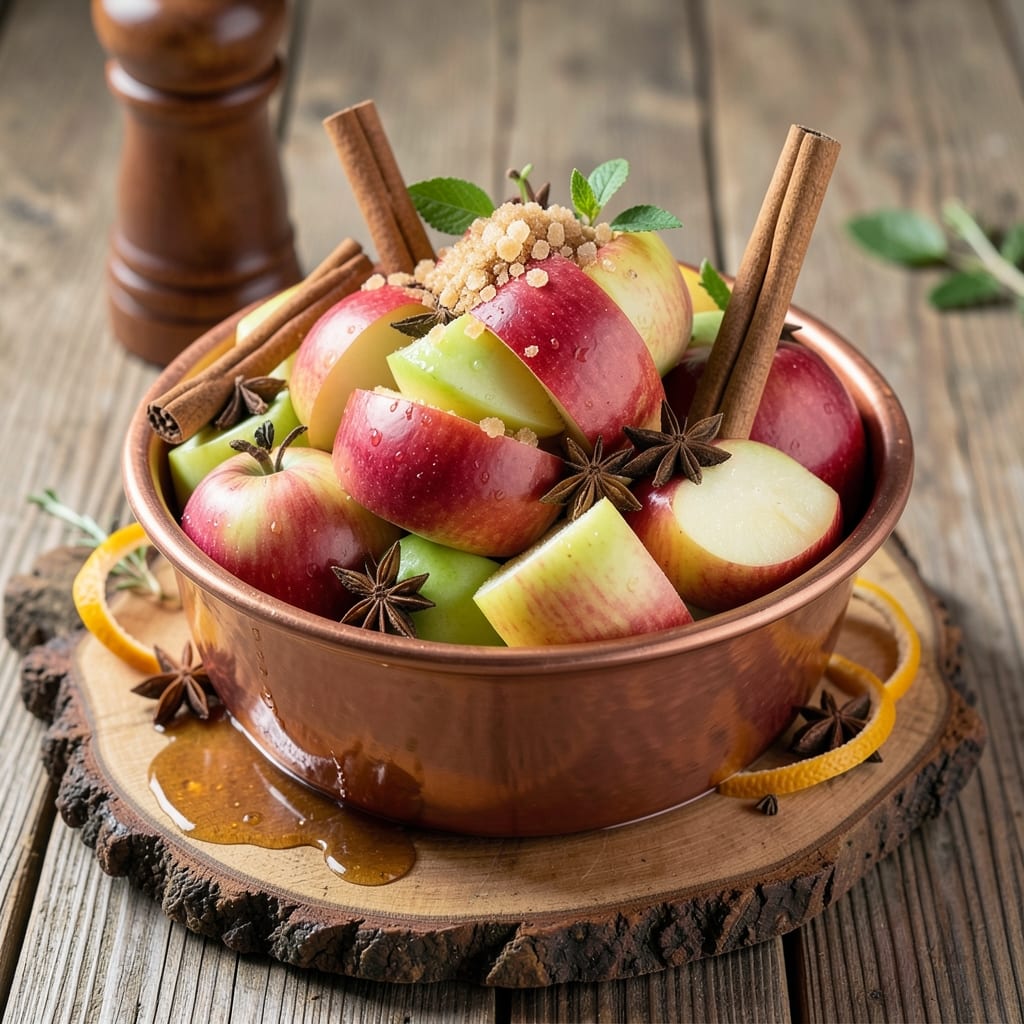
This apple cider press recipe transforms fresh apples into velvety, aromatic cider with restaurant-quality depth—no commercial equipment needed. The secret lies in proper pressing techniques that maximize yield while keeping sediment minimal, creating a smooth, naturally sweet beverage perfect for sipping or crafting cocktails. I’ve perfected this method over years of orchard visits, ensuring every batch delivers that fresh-pressed apple magic without bitterness or cloudiness.
What sets this recipe apart is the focus on clarity and balance—critical for both traditional cider and hard cider fermentation. We’ll cover everything from selecting the right apple varieties to using a simple hydraulic press (or DIY alternatives) for optimal extraction. The process yields about 1 gallon of cider per 10–12 pounds of apples, with adjustments for sweetness and acidity to suit your taste.
Once pressed, your cider can be enjoyed immediately as a warm spiced beverage or chilled for cocktails like mulled cider margaritas. For fermentation, we’ll include a fail-safe method to prevent over-carbonation and ensure a crisp, balanced hard cider. Storage tips will keep your cider fresh for up to 6 months in the refrigerator.
Whether you’re pressing for a cozy fall gathering or experimenting with hard cider, this recipe delivers professional results with minimal fuss. Let’s get started with the tools and techniques that make all the difference.
Ingredients for apple cider press
Twelve pounds of apples, a splash of citrus, and a touch of spice—this is all you need to craft cider that tastes like autumn in a glass.
| Ingredient | Amount | Notes |
|---|---|---|
| Mixed Apples (Gala, Granny Smith, Honeycrisp) 🍎 | 12 lb | Organic preferred, cores removed |
| Lemon Juice 🍋 | ¼ cup | Freshly squeezed, pasteurized |
| Cinnamon Sticks 🌿 | 4 whole | Whole for infusion, not ground |
| Whole Cloves 🌶️ | 10 pieces | For aromatic depth, not powdered |
| Orange Peel (organic) 🍊 | 1 tbsp | Finely grated, no pith |
| Brown Sugar 🍚 | ½ cup | Lightly packed, optional sweetener |
| Ice Cubes ❄️ | 2 cups | For chilling and clarity |
| Ice Water 💧 | 1 cup | Cold for dilution and freshness |
| Vanilla Bean (optional) 🌸 | 1 whole | Split lengthwise for infusion |
| Sea Salt 🧂 | ¼ tsp | Fine grain, for balance |
| Yeast Nutrient (optional) 🍄 | 1 tsp | For potential fermentation |
| Apple Cider Vinegar 🍶 | 1 tbsp | For acidity and preservation |
The apples are non-negotiable. Gala and Granny Smith is my go-to mix—sweet meets tart—but don’t be afraid to experiment with Honeycrisp or Fuji for extra juice yield. Organic is ideal to avoid wax coatings that cloud the cider. Local orchards or farmers markets often have the freshest, firmest apples. If you’re buying from a grocery store, look for apples that are firm to the touch with a vibrant color—no bruises or soft spots. For a true farm-fresh taste, skip the pre-washed varieties and clean them yourself with a vegetable brush.
No lemons? Lime juice works in a pinch, though it’ll have a slightly different brightness. Want more depth? Add a star anise pod or two—it disappears during pressing but leaves a subtle licorice note. The brown sugar is optional, but if you’re making a sweeter cider, maple syrup at a 1:1 ratio adds complexity without graininess. For spiced cider, toast your cinnamon sticks and cloves lightly in a dry pan first—this intensifies their aroma. If you’re fermenting, skip the yeast nutrient unless you’re aiming for a hard cider, where it helps the yeast thrive.
Fresh cider keeps best in the fridge for 5-7 days if you’re not fermenting—always store it in a sealed glass container to prevent oxidation. For longer storage, can the cider using a water bath canner for 15 minutes—this preserves both flavor and clarity. If you’re making a large batch, freeze extra in ice cube trays for easy portioning later. The sediment will settle at the bottom, so always pour carefully. For spiced versions, the aromatics can be removed after pressing—just don’t over-steep them or the cider will turn bitter.
Why You'll Love This Recipe
- No-Fuss Simplicity: I swear by this recipe because it’s literally dump-and-go. Chop apples into rough chunks (no peeling required), toss them in a pot with cinnamon sticks and cloves, and let the stove do the work while you sip your coffee. The orange peel and lemon juice add brightness without extra effort—just stir once, simmer, and you’re golden.
- Spiced Perfection: Between us, this isn’t your basic apple cider. The Granny Smith’s tartness cuts through Honeycrisp’s sweetness, while the cloves and cinnamon sticks infuse deep, warm notes that feel like a hug in a mug. That first sip? Chef’s kiss—like autumn in a glass, but with zero fuss.
- Weeknight & Holiday Hero: Honestly, I make this for everything: a quick weeknight dinner with toasted bread, a cozy Sunday brunch with pancakes, or even as a fancy sipper when company’s over. The leftovers? Pour them into ice cube trays for instant cider pops or reduce them into a syrup for desserts. Versatile enough to handle it all.
- Budget Magic: Here’s what sold me—this recipe costs pennies to make. Apples stay affordable, spices last forever, and you’re using the whole fruit (peels and cores, no waste). Plus, the leftovers keep for days, so you’re not scrambling to buy more. Warm, satisfying, and guilt-free? Yes, please.
Step-by-step instructions for fresh-pressed apple cider
Here's how to transform 12 pounds of apples into rich, aromatic cider with layers of spice.
Prepare and Chop the Apples
Start by thoroughly washing the 12 lb mixed apples under cold running water to remove any dirt or debris. I like to work with organic apples when possible—their skins contain more natural sweetness and flavor compounds. Cut each apple into quarters, removing the cores as you go. This size makes them easy to handle and ensures even pressing.
Spread the apple quarters on a clean cutting board and give them a rough chop into ½-inch chunks. You want pieces that are large enough to press efficiently but small enough to release juice quickly. I find that using a sharp chef's knife with a rocking motion keeps the pieces consistent. As you chop, you'll notice the apples release a fragrant aroma—this is your first taste of what's to come.
Build the Spice Infusion
In a large stainless steel pot (I prefer one with high sides), combine the apple chunks with the 4 whole cinnamon sticks and 10 whole cloves. Add the 1 tbsp finely grated orange peel and the split vanilla bean if using. This spice blend will infuse the cider with warm, aromatic notes. I like to press the cinnamon sticks lightly with the back of a spoon to release some of their essential oils into the mix.
Stir in the 0.5 cup lightly packed brown sugar and 0.25 tsp sea salt. The sugar will enhance the natural sweetness of the apples while balancing their acidity. The salt rounds out the flavors and prevents the cider from tasting flat. Give everything a gentle toss to ensure even distribution of the spices throughout the apple mixture. You'll smell that comforting blend of cinnamon, clove, and citrus—this is the heart of your cider's character.
Press the Apples and Extract Juice
Transfer the apple-spice mixture to a cider press or large clean towel. Fold the towel into a thick square and place the apple chunks inside. Gather the edges and twist tightly to form a bundle. This creates pressure that forces juice out of the apples. I work in batches if needed—don't overload the press or the juice will be difficult to extract.
Place the bundle in a large bowl or bucket positioned over a strainer. Using a mallet or your hands, gently but firmly press down on the bundle. You'll see golden liquid begin to drip into the bowl—this is your raw cider. Work in stages, letting the juice collect before pressing again. The first press yields the clearest juice, so I save this for drinking while reserving slightly cloudier batches for cooking or fermenting.
Clarify and Finish the Cider
Once you've pressed all the apples, strain the collected juice through a fine-mesh sieve or cheesecloth to remove any remaining pulp. This step ensures a smooth, drinkable cider. In a separate container, combine the strained juice with the 1 cup ice water and 2 cups ice cubes. The ice helps clarify the cider by causing pectin and other solids to settle at the bottom.
Stir in the 0.25 cup lemon juice and 1 tbsp apple cider vinegar. The acidity from the lemon brightens the cider, while the vinegar adds a subtle tang that enhances preservation. If you're using the optional 1 tsp yeast nutrient, add it now to encourage fermentation if you plan to make hard cider. Let the mixture sit in the refrigerator for at least 4 hours, stirring occasionally. You'll notice the liquid becomes clearer as it chills, with sediment settling at the bottom.
Serve and Enjoy
After chilling, carefully ladle the clarified cider into serving glasses, being mindful to avoid the sediment at the bottom. The finished cider should have a beautiful amber color with a rich, complex aroma of apples, cinnamon, and citrus. Taste and adjust sweetness if needed—you can add more brown sugar if it tastes too tart, or a splash of lemon juice if it needs brightness.
Serve immediately while cold for the freshest experience. The cider should be effervescent with natural apple fizz and balanced with warm spice notes. For an extra touch, garnish each glass with a cinnamon stick or a few cloves. This cider pairs beautifully with fall desserts, roasted meats, or simply enjoyed on its own as a refreshing autumn beverage.
Pro Tips For Making Apple Cider Press
- Peel the Oranges First: Grab that organic orange peel before you even think about cutting the apples—scrub it well under hot water to loosen the oils, then pat completely dry. Wet peel will make your cider taste like a sad, watery marinade, and nobody wants that.
- Simmer Slow and Low: After adding the spices, drop the heat to a bare simmer—just enough to see tiny bubbles breaking the surface, not a rolling boil. I learned this the hard way when my first batch turned bitter and cloying; patience here means depth of flavor, not speed.
- Core Those Apples Properly: Use a paring knife to slice just under the core’s base, then twist it out like a cork—no chunks left behind. I used to hack at it with a spoon, and those little apple bits turned my cider into a mushy disappointment. Clean cores = smooth cider.
- Toast the Spices First: Dry-toast the cinnamon sticks and cloves in a separate pan for 30 seconds until fragrant—this unlocks their oils way better than throwing them in cold. Sounds weird, but it works: your cider will taste like autumn instead of just "spiced."
Perfect pairings for this apple cider press
Warm Spiced Cocktails
Transform your fresh-pressed cider into a cozy mulled cider cocktail by adding 1 oz bourbon or rum per glass and warming it gently with ½ tsp ground cinnamon and 2 star anise pods. Serve in heatproof mugs with a cinnamon stick stirrer. For a non-alcoholic version, replace the liquor with ½ cup apple juice and a splash of ginger beer for fizz. 🍂
Hard Cider Fermentation
For hard cider, transfer the pressed juice to a sanitized fermentation vessel, add 1 tsp wine yeast (like Lalvin EC-1118), and cover with a fermentation lock. Ferment at 68-72°F for 5-7 days, then bottle in sanitized swing-top bottles. Store in a cool, dark place for 2-3 weeks before chilling. The result? A crisp, 0.5-1.5% ABV cider with natural carbonation. 🍺
Apple Cider Margaritas
Blend 2 oz fresh cider, 1 oz tequila, ½ oz triple sec, and ½ oz lime juice with ice. Strain into a chilled glass rimmed with taquitos (mix ½ cup sugar with 1 tbsp lime juice). Garnish with a cinnamon stick and lime wheel. For a frozen version, freeze the mixture in an ice cube tray first. 🍹
Baked Apple Cider Desserts
Use your cider in apple cider caramel apples by simmering 1 cup cider with ½ cup brown sugar and 2 tbsp butter until thickened. Drizzle over Honeycrisp apples on skewers, then bake at 350°F for 15 minutes. For cider-glazed donuts, reduce 1 cup cider with ¼ cup powdered sugar and brush onto warm donuts. 🍎
Cider-Based Sauces
Reduce 1 cup cider with 2 tbsp butter and 1 tbsp maple syrup for a pan sauce that pairs perfectly with roasted pork tenderloin or brussels sprouts. For a tangy cider vinaigrette, whisk ½ cup cider with 3 tbsp olive oil, 1 tbsp Dijon mustard, and 1 tsp honey. Toss with arugula and pears for a fall salad. 🥗
Non-Alcoholic Mocktails
Create a sparkling cider spritzer by mixing 1 cup chilled cider with ½ cup ginger ale and a squeeze of lime. For a cider lemonade, combine 1 cup cider, ½ cup lemonade, and ice. Add muddled mint or fresh rosemary for an herbal twist. Serve in a copper mug for extra flair. 💧
Nutrition facts
Frequently asked questions
What’s the best apple variety for pressing cider?
A mix of Gala, Granny Smith, and Honeycrisp works best—Gala adds sweetness, Granny Smith brings tartness, and Honeycrisp boosts juice yield. Avoid overly soft varieties like McIntosh, as they bruise easily and yield less juice. For maximum flavor, use organic apples to skip wax coatings that can cloud your cider.
Can I make cider without a hydraulic press?
Use a clean towel or pillowcase as a DIY press: bundle chopped apples tightly, twist the edges, and press with a mallet or heavy pot. For smaller batches, a potato masher or wooden spoon works too. Just expect slightly less juice yield—about 1 gallon per 12 pounds instead of the full 1.5 gallons from a proper press.
How do I prevent my cider from turning cloudy?
Cloudiness usually means unfiltered pulp or pectin. After pressing, strain through cheesecloth or a fine-mesh sieve, then chill the juice with ice cubes for 4 hours. The sediment will settle—pour carefully to avoid it. For extra clarity, add 1 tsp pectinase enzyme (found in winemaking stores) to break down pectin before straining.
What’s the shelf life of fresh-pressed cider?
Unfermented cider lasts 5–7 days in the fridge, but it oxidizes quickly. For longer storage, pasteurize by heating to 160°F for 30 seconds or can it in a water bath for 15 minutes. Fermented hard cider keeps 6 months unopened in the fridge. Always store in airtight glass containers to preserve flavor and prevent spoilage.
Can I reuse the pressed apple pulp?
Yes! The leftover pulp is perfect for apple cider donuts, muffins, or compote. Mix with 1 egg, 1 cup flour, and 1 tsp baking powder for quick donuts, or simmer with sugar and cinnamon for a jam-like compote. For livestock, it’s a great feed additive—just avoid if the apples were sprayed with pesticides.