
Beverages
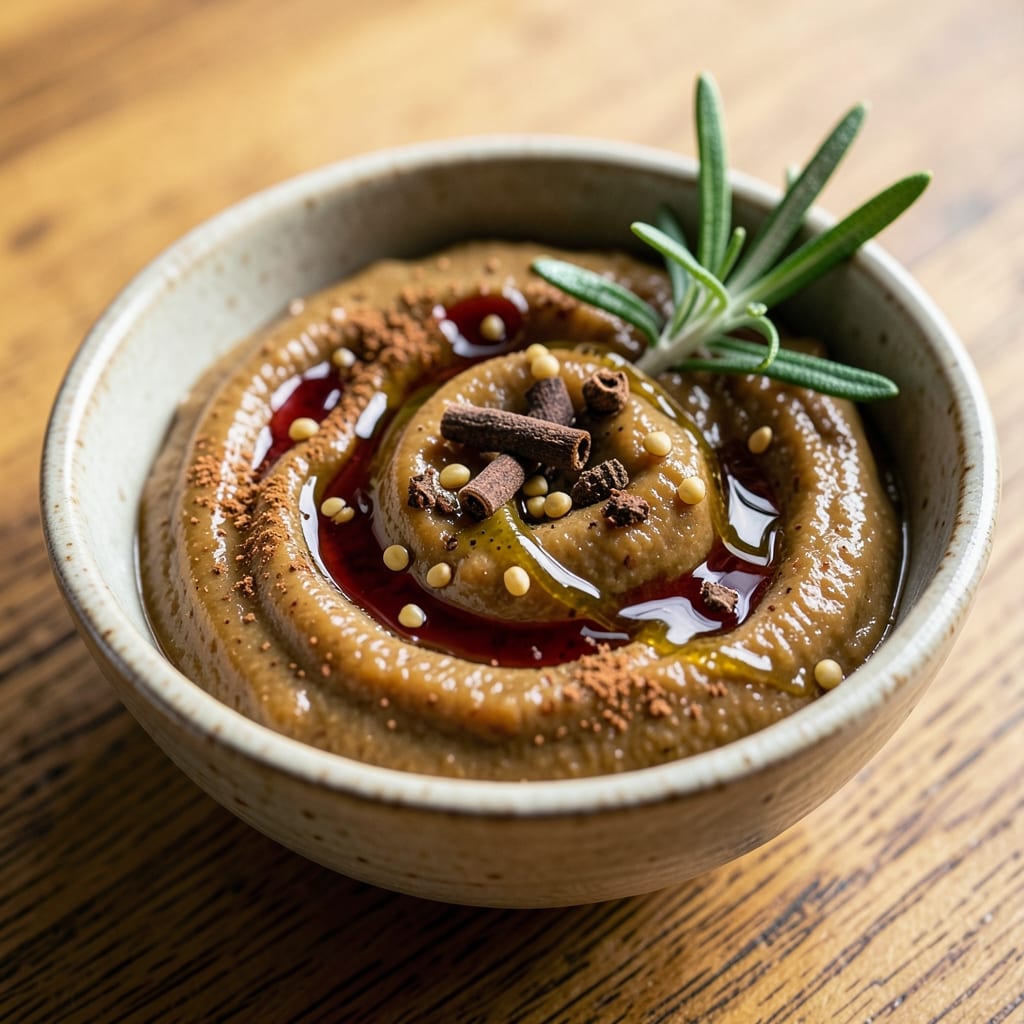
This apple cider mustard recipe transforms ordinary meals into something extraordinary with its signature spiced warmth and tangy depth. 🌟 The secret lies in blending sharp mustard seeds with apple cider vinegar and aromatic spices, creating a condiment that's versatile enough for burgers, fries, or even marinades. Unlike store-bought versions, this homemade version delivers a balanced sweetness and heat that pairs perfectly with rich, savory dishes.
Crafting this mustard is simpler than you might think—just combine mustard seeds, apple cider vinegar, and a touch of honey for sweetness, then let the flavors meld over time. The slow infusion process allows the spices to develop fully, resulting in a smooth, well-rounded condiment that's far more complex than its ingredients suggest. Whether you're slathering it on a juicy burger or drizzling it over crispy fries, every bite becomes an experience.
What sets this recipe apart is its ability to elevate even the simplest dishes. The apple cider base adds a subtle fruitiness that cuts through richness, while the spices—like cinnamon and cloves—bring a cozy, autumnal warmth. It’s the kind of condiment that turns everyday meals into something special, all while keeping prep straightforward. The best part? It keeps beautifully in the fridge for weeks, ready to enhance your favorite dishes whenever inspiration strikes.
Perfect for sandwiches, dressings, or as a marinade for grilled meats, this apple cider mustard is a game-changer in the condiment aisle. Once you try it, you’ll never reach for plain mustard again. Let’s get started!
Ingredients for apple cider mustard
Nine simple ingredients transform into a condiment that brings bold spiced warmth to burgers and fries.
| Ingredient | Amount | Notes |
|---|---|---|
| Mustard Seeds 🌶️ | ½ cup | Yellow or brown preferred |
| Apple Cider Vinegar 🍎 | 1 cup | Raw, unfiltered preferred |
| Extra-Virgin Olive Oil 🫒 | ½ cup | For smooth texture |
| Raw Honey 🍯 | ¼ cup | Local if possible |
| Ground Cinnamon 🌿 | 1 tsp | Freshly ground preferred |
| Ground Cloves 🌶️ | ½ tsp | Whole cloves toasted better |
| Ground Ginger 🌿 | ½ tsp | Freshly ground for warmth |
| Kosher Salt 🧂 | ½ tsp | Diamond Crystal preferred |
| Black Peppercorns 🌶️ | ¼ tsp | Freshly cracked preferred |
| Water 💧 | ¼ cup | Filtered preferred |
The mustard seeds are the backbone—yellow for classic tang, brown for deeper complexity. Trader Joe's and Whole Foods carry the best quality in bulk, but any grocery store will have them. Apple cider vinegar? Raw, unfiltered is non-negotiable—it's got more flavor depth than the clear stuff. Same goes for the honey: local raw honey adds subtle floral notes that store-bought can't match. I always grab extra because it disappears fast. For the spices, Penzeys Spices is my go-to for whole cloves and cinnamon sticks—toast them lightly in a dry pan before grinding for maximum aroma.
No mustard seeds? Yellow mustard powder at double the amount works in a pinch, though texture will differ. Swap honey for maple syrup if you're avoiding it, but reduce by 1 tbsp first. The olive oil is key for that silky finish—don't use light olive oil (it's flavorless). For heat control, adjust the peppercorns: skip them if you prefer mild, or add cayenne for extra kick. The water helps thin it out if it gets too thick during storage. Pro tip: Let the seeds sit in vinegar overnight before blending—this softens them for a smoother texture.
This keeps for 3-4 weeks in the fridge, but the flavor actually improves after 5-7 days as the spices infuse. Glass jar with a tight seal is best—plastic can absorb flavors. For longer storage, freeze in ice cube trays and transfer to a bag. The first batch always disappears fast, so I make a double batch. Perfect for burgers, roasted potatoes, or even glazing grilled meats—just drizzle generously. Leftovers? Slather on sandwiches or mix into dressings.
Why You'll Love This Recipe
- Five-Ingredient Magic: I swear by this recipe because it’s the kind of thing you can make while scrolling through your phone—just toast the mustard seeds in a dry pan until they smell like autumn, then toss in the vinegar, honey, and cinnamon. No peeling, no chopping, no stress.
- Tangy-Sweet Balance: That first bite? It’s like biting into a crisp apple with a hint of spice—sharp apple cider vinegar cuts through the richness of the olive oil, while the honey and cinnamon wrap it all in warmth. Honestly, it’s the kind of flavor that makes you reach for the jar again before you even put it down.
- Dress-Up Anything: Slather it on grilled chicken for a fall dinner, drizzle it over roasted sweet potatoes, or stir it into a quick vinaigrette for a salad. Between us, it’s my secret weapon for turning simple meals into something special—no fancy techniques required.
- Pantry Staple Power: You’re already using these ingredients—mustard seeds, vinegar, honey—so this isn’t an extra trip to the store. A little goes a long way, and once you make it, you’ll have a jar of this stuff ready for weeks, saving you from last-minute condiment panic.
Step-by-step instructions for apple cider mustard
Here's how to make a rich, spiced mustard that pairs perfectly with burgers and fries.
🍳 Step 1: Toast the Mustard Seeds for Maximum Flavor
Heat a small skillet over medium-low heat and add the 0.5 cup mustard seeds. Toast them for 3-4 minutes, stirring constantly, until they turn a rich golden brown and release an aromatic, nutty scent. This step is crucial—it deepens the flavor and prevents a bitter taste in your finished mustard.
Watch closely as they toast—mustard seeds burn quickly. You'll know they're ready when they smell intensely toasty and their color shifts from pale yellow to deep amber. Immediately transfer them to a small bowl to stop the cooking process.
🥘 Step 2: Combine Wet Ingredients
In a medium saucepan, combine the 1 cup apple cider vinegar, 0.25 cup raw honey, 0.25 cup water, and 0.5 cup extra-virgin olive oil. Place the pan over medium heat and bring the mixture to a gentle simmer, stirring occasionally to ensure everything integrates smoothly.
Here's the thing—don't rush this step. You want the honey to dissolve completely into the vinegar, creating a smooth base. The mixture should be fully combined with no visible streaks of oil or honey before moving forward. This ensures your mustard will have a velvety texture rather than a separated one.
🍳 Step 3: Add Spices and Simmer
Return the toasted mustard seeds to the saucepan and stir in the 1 tsp ground cinnamon, 0.5 tsp ground cloves, 0.5 tsp ground ginger, 0.5 tsp kosher salt, and 0.25 tsp black peppercorns. Reduce the heat to low and let the mixture simmer gently for 15-20 minutes, stirring occasionally.
You'll notice the spices begin to bloom and infuse the mixture with their warm, aromatic qualities. The mustard should thicken gradually as it simmers, becoming more cohesive and developing its signature depth of flavor. The smell will be intoxicating—like a spiced autumn orchard.
⏰ Step 4: Blend Until Smooth
Once the mustard has thickened to a spreadable consistency (it should coat the back of a spoon), remove it from heat. Transfer the mixture to a blender or food processor and blend until completely smooth. This step ensures a silky texture without any graininess from the mustard seeds.
If you prefer a slightly textured mustard, you can leave it partially blended with a few visible seed specks. Taste the mustard and adjust the seasoning if needed—you might want to add a pinch more salt or a touch of honey to balance the acidity from the vinegar.
🥫 Step 5: Let It Rest and Store
Transfer the finished mustard to a clean glass jar and let it cool to room temperature. Once cooled, seal the jar and refrigerate for at least 24 hours before using. This resting period allows the flavors to meld and deepen, resulting in a more complex, well-rounded condiment.
Your apple cider mustard will keep in the refrigerator for up to 3 months. The flavors will continue to evolve over time, becoming even more nuanced. Use it on burgers, fries, roasted vegetables, or even as a glaze for grilled meats—it's incredibly versatile and packed with bold, autumnal spice.
Pro Tips For Making Apple Cider Mustard
- CRUSH THE SEEDS: I learned this the hard way—whole mustard seeds don’t release their flavor worth a damn. Toast them dry in a pan for 2-3 minutes until they smell nutty, then grind them fresh in a spice grinder or mortar and pestle. That’s the difference between "meh" and "wow."
- STRAIN THE VINEGAR: Apple cider vinegar’s sediment is just fermented bits—skip it. Pour the vinegar through a fine-mesh sieve or coffee filter into a clean jar before mixing. Your mustard will stay smooth, not gritty, and last longer on the shelf.
- DILUTE THE HONEY: Raw honey’s thick and stubborn. Warm it gently (just enough to soften) and thin it with a splash of hot water or vinegar before adding it to the mix. This ensures it blends evenly instead of clumping like a stubborn toddler refusing to share.
- LET IT REST: Don’t rush the emulsification. After whisking everything together, let the mustard sit for at least 10 minutes before tasting. The flavors meld better, and the texture thickens naturally—no weird separation later. (Yes, even if you’re impatient like me.)
Serving suggestions for leftovers
Burger Game-Changer
Slather this mustard on your next burger like you would mayo, but with 10x more flavor. The apple cider base cuts through rich beef while the cinnamon and cloves add warmth that pairs perfectly with caramelized onions. I like to use it on smash burgers or double patties—the spiced kick balances the beef beautifully. For extra decadence, mix 1 tbsp of this mustard with 1 tbsp of bourbon and brush it on grilled mushrooms before adding them to your burger. 🌟
Fries Upgrade
This is my secret weapon for crispy fries—toss them hot out of the fryer with 1 tbsp of this mustard mixed with 1 tsp of melted butter. The sweetness caramelizes slightly from the heat, creating a sticky glaze that clings to every fry. For a smoky twist, add ½ tsp smoked paprika to the mix before tossing. Serve with extra crumbled blue cheese for a tangy contrast. 🔥
Grilled Meat Glaze
Use this mustard as a marinade or glaze for pork chops, chicken thighs, or even ribs. Brush it on during the last 5-7 minutes of grilling when the heat is high. The apple cider vinegar tenderizes while the spices create a crust that's irresistible. I love this on baby back ribs—apply it after the first 2 hours of smoking, then finish with a broiler blast for extra caramelization. 💫
Sandwich Spread
Thin this mustard with 1-2 tbsp of water to create a spreadable consistency perfect for sandwiches. Use it on Reuben sandwiches instead of traditional mustard, or slather it on grilled cheese with sharp cheddar and apple slices. For a sweet-and-spicy twist, mix 1 tsp of this mustard with 1 tsp of chipotle mayo and spread it on toasted bread for open-faced sandwiches. ✨
Roasted Veggie Drizzle
Drizzle this mustard over roasted carrots, Brussels sprouts, or sweet potatoes after they come out of the oven. The warmth of the spices complements the natural sweetness of the vegetables perfectly. Toss 2 cups of halved Brussels sprouts with 1 tbsp olive oil, roast at 425°F for 20 minutes, then finish with 1 tbsp of this mustard and a sprinkle of pecans. 🌱
Dip for Crudités
Thin the mustard with 2-3 tbsp of Greek yogurt for a creamy dip that's perfect with celery, cucumbers, or radishes. The tangy-sweet balance makes it addictive. For extra protein, add 1 tbsp of cream cheese to the mix. This dip is especially great for game day or as a refreshing appetizer. 🥕
Nutrition facts
Frequently asked questions
Can I use Dijon mustard instead of mustard seeds?
Yes! If you don’t have mustard seeds, substitute with ¼ cup Dijon mustard for a smoother texture. For extra depth, add 1 tsp apple cider vinegar to mimic the tang. The flavor will be milder but still delicious—just thin with water if needed for spreading.
How do I adjust the sweetness or heat?
For more sweetness, add 1-2 extra tbsp honey or maple syrup. For heat, include ¼ tsp cayenne or a pinch of red pepper flakes. Taste as you go—you can always tweak it after blending. The spices develop more warmth after 24 hours in the fridge.
Can I make this mustard without olive oil?
Swap the olive oil for avocado oil or even melted butter for a richer taste. Just reduce the liquid slightly (by 1 tbsp) since fats add thickness. If using butter, omit ½ tsp salt since butter is already salty.
Why did my mustard separate?
Separation usually happens if the mixture cooled too quickly or if ingredients weren’t fully combined. Reheat gently (don’t boil) while stirring, then blend again. For prevention, whisk the wet ingredients vigorously before simmering, and let the mustard cool slowly at room temperature.
What’s the best way to use this on grilled chicken?
Brush it on during the last 5 minutes of grilling for a caramelized crust. For extra flavor, marinate the chicken in 2 tbsp of this mustard mixed with 1 tbsp olive oil for 30-60 minutes before cooking. The spices will infuse beautifully into the meat.