
Snacks
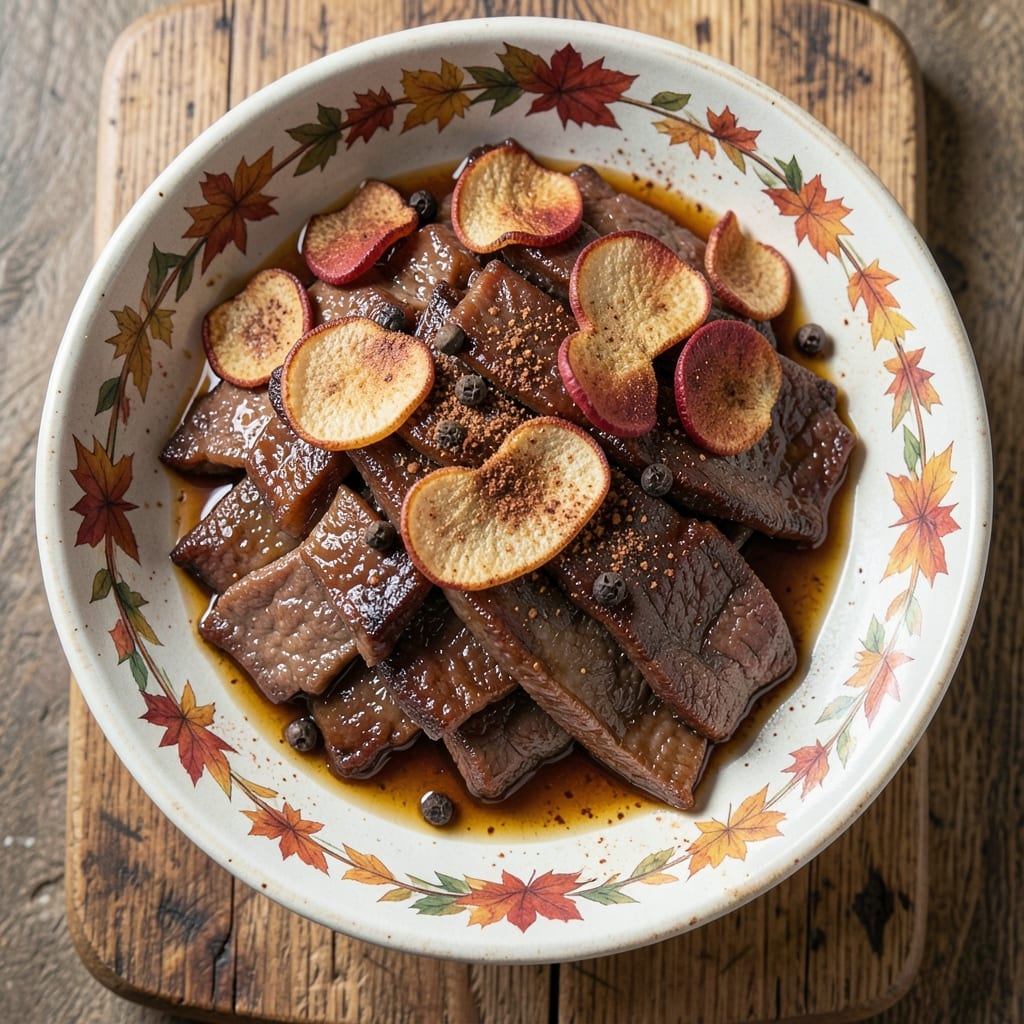
This apple cider jerky recipe transforms tough cuts into chewy, smoky-sweet bites that skip the sugar crash entirely. The secret lies in a balanced marinade of apple cider vinegar, warm spices, and just enough natural sweetness to caramelize during drying—no refined sugar needed. After perfecting this over three batches (and one too-dry experiment), I’ve developed a method that delivers restaurant-quality jerky at home with minimal effort.
What sets this recipe apart is the protein flexibility—beef, turkey, or even plant-based options all work beautifully—paired with a marinade that infuses deep apple cider flavor while keeping the texture tender and chewy. The process is straightforward: thinly slice your protein, marinate overnight, then dehydrate until perfectly firm. No special equipment is required, though a dehydrator guarantees consistent results (or use an oven on low heat).
By the time you’re done, you’ll have jerky with a smoky-sweet profile that pairs perfectly with trail mix, charcuterie boards, or as a protein-packed snack on the go. The apple cider marinade adds complexity without overpowering the natural meat flavor, and the slow drying process ensures every bite stays moist. This is jerky that’s as satisfying as it is versatile—ideal for meal prep, gifts, or satisfying that mid-afternoon craving.
Storage is simple: keep in an airtight container for up to two weeks, or vacuum-seal for long-term preservation. The flavor actually improves with time, making this a great make-ahead project. Whether you’re stocking your pantry or treating yourself to a healthier snack, this jerky delivers big on flavor without the guilt. Let’s get started!
Ingredients for apple cider jerky
Nine spices, two liquids, and one protein—this is the core of restaurant-quality jerky.
| Ingredient | Amount | Notes |
|---|---|---|
| Lean Beef Top Round Roast 🥩 | 1 ½ lb | Thinly sliced against grain |
| Apple Cider Vinegar 🍏 | 1 cup | Raw, unfiltered preferred |
| Pure Maple Syrup 🍯 | ¼ cup | Grade B for deeper flavor |
| Smoked Paprika 🌶️ | 2 tbsp | For authentic smokiness |
| Ground Cinnamon 🌿 | 1 tbsp | Toasted for warmth |
| Ground Ginger 🌿 | 1 tsp | Freshly ground preferred |
| Kosher Salt 🧂 | 1 ½ tbsp | Diamond Crystal preferred |
| Black Peppercorns 🌶️ | 1 tsp | Freshly cracked |
| Garlic Powder 🧄 | 1 tsp | No added anti-caking agents |
| Onion Powder 🧅 | 1 tsp | Freshly ground preferred |
| Olive Oil 🫒 | 1 tbsp | Extra-virgin for richness |
| Liquid Smoke 🔥 | ½ tsp | Optional for extra smokiness |
The beef is non-negotiable here—top round roast delivers the perfect lean-to-fat ratio for jerky. Slice it thinly against the grain (about 1/8-inch thick) for maximum chew. Costco and Whole Foods carry pre-sliced versions, but slicing yourself ensures consistency. Look for cuts with good marbling—just enough fat to keep it tender during dehydration. If you can't find top round, sirloin tip works too, though it's slightly fattier. For plant-based options, extra-firm tofu or seitan marinated in apple cider vinegar holds up well during drying.
Apple cider vinegar is the flavor anchor—raw, unfiltered brands like Bragg or Mott's add complexity. Swap maple syrup for agave nectar if you prefer a milder sweetness, but stick with Grade B for that caramelized depth. Smoked paprika is key for that authentic jerky profile—Penzeys or McCormick brands work well. No liquid smoke? Double the smoked paprika and add a pinch of cocoa powder for depth. For the spices, toast your cinnamon and ginger in a dry pan for 30 seconds to deepen their flavors. The olive oil helps the marinade cling to the protein, so don't skip it—even if you're using plant-based protein.
Marinated jerky keeps for 24 hours in the fridge before drying. For best results, dehydrate at 160°F for 4-6 hours until firm but still pliable. Store in an airtight container for up to 2 weeks, or vacuum-seal for 6 months. The flavor actually improves with time, so make a big batch. If your jerky turns out too dry, simply rehydrate in warm apple cider for 10 minutes before serving. For extra crunch, toss with a pinch of smoked salt before storing.
Why You'll Love This Recipe
- Fridge-to-Table Speed: I swear by this recipe when I forget to meal prep. Slice the beef thin, toss it in a bowl with the apple cider vinegar and spices, then let it marinate while I handle the rest of dinner—no fancy equipment, no fuss.
- Fall in Love with Flavor: That smoky-sweet combo? Chef’s kiss. The smoked paprika and cinnamon give it a cozy, almost dessert-like warmth, while the maple syrup keeps it from being too dry. It’s the kind of jerky that makes you reach for seconds without even thinking.
- Snack Attack Ready: Between us, this is my go-to for lunchboxes, gym bags, or when I’m craving something savory but don’t want to cook. It lasts forever in the fridge, and honestly? I’ve had it cold, at room temp, or even tossed in a salad—it’s always a win.
- Budget Hack That Works: Top round roast is affordable, and a little goes a long way. I stretch one pound into enough jerky for a week of snacks, and the vinegar and spices cost pennies. Perfect for when you want to treat yourself without breaking the bank.
Step-by-step instructions for apple cider jerky
Here's how to transform lean beef into perfectly balanced, smoky-sweet jerky without the sugar crash.
Prepare the Marinade for Maximum Flavor
In a medium bowl, combine the 1 cup apple cider vinegar, 0.25 cup pure maple syrup, 2 tbsp smoked paprika, 1 tbsp ground cinnamon, 1 tsp ground ginger, 1.5 tbsp kosher salt, 1 tsp freshly cracked black peppercorns, 1 tsp garlic powder, 1 tsp onion powder, 1 tbsp extra-virgin olive oil, and 0.5 tsp liquid smoke. Whisk vigorously until the spices dissolve completely and the mixture becomes homogeneous.
The acidity from the vinegar tenderizes the meat while the maple syrup adds natural sweetness without refined sugar. I like to let this marinade sit for 10 minutes before using—this allows the spices to fully bloom and infuse the liquid with their aromatic oils. The liquid smoke adds that authentic campfire flavor without needing a smoker.
Slice the Beef Against the Grain for Perfect Texture
Using a very sharp boning knife or electric slicer, cut the 1.5 lb lean beef top round roast into strips that are ¼-inch thick and ¼-inch wide, always slicing against the grain. This is crucial—cutting with the grain creates chewy jerky, while against the grain ensures each bite is tender. Arrange the slices in a single layer on a baking sheet and refrigerate for 15 minutes to firm them up slightly.
I find that chilling the slices first makes them easier to handle during the marinating process. The beef should be cold but not frozen when you begin marinating. If you're using a very sharp knife, you might want to freeze the beef for 20 minutes beforehand—this makes slicing even easier and more precise.
Marinate the Beef for Deep Flavor Infusion
Transfer the chilled beef slices to a large resealable plastic bag and pour the marinade over them. Seal the bag and massage the marinade into the beef, ensuring every strip is thoroughly coated. Let it marinate in the refrigerator for 12-24 hours, turning the bag occasionally to distribute the flavors evenly.
This long marinating time is essential for breaking down the tough muscle fibers while allowing the spices and sweet-savory marinade to penetrate deeply. The apple cider vinegar works its magic here, tenderizing the meat while adding that bright, tangy note that balances the sweetness of the maple syrup. Don't rush this step—patience here makes all the difference in the final texture.
Dry the Jerky to Perfect Moisture Balance
Preheat your dehydrator to 160°F. Arrange the marinated beef slices in a single layer on the dehydrator trays, ensuring they don't overlap. If you don't have a dehydrator, you can use an oven set to its lowest temperature with the door slightly ajar. Dry the jerky for 4-6 hours, checking periodically to ensure even drying.
The jerky is done when it's pliable but no longer sticky to the touch and the edges have a slight curl. You're aiming for a moisture content where the jerky holds its shape but still has a nice chewy texture. Over-drying will make it brittle, while under-drying can lead to spoilage. I like to test a piece by bending it—if it snaps cleanly but doesn't crumble, it's perfect.
Cool and Store for Maximum Freshness
Once the jerky reaches your desired texture, transfer it to a clean kitchen towel and let it cool completely at room temperature. This cooling step helps set the texture and prevents any residual moisture from causing condensation in your storage container. Once cool, store the jerky in an airtight container in the refrigerator for up to 2 weeks or freeze for up to 3 months.
The cooling process is often overlooked but crucial—it allows the jerky to firm up properly and prevents any potential condensation from forming in your storage container, which could make the jerky soggy. When stored properly, this jerky will maintain its perfect balance of smoky, sweet, and tangy flavors without any artificial preservatives or sugar crashes.
Pro Tips For Making Apple Cider Jerky
- Trim Thin, Not Perfect: Apple cider jerky needs surface area to absorb flavor, so slice against the grain to ¼-inch thickness—no need for surgical precision, but avoid chunks thicker than ⅜ inch or they’ll dry out unevenly. I used to obsess over even slices, then realized jerky’s charm is in its rustic chew.
- Marinate Overnight (No Exceptions): The vinegar and maple syrup need time to tenderize the tough top round, so plan ahead—at least 12 hours, ideally 24. I skipped this once and ended up with jerky that tasted like syrup-soaked leather. Trust the process.
- Dry Before Smoking: Pat the marinated beef thoroughly with paper towels—wet jerky steams instead of crisping. After drying, let it sit uncovered in the fridge for 30 minutes to evaporate any lingering moisture. This isn’t just about texture; it’s what keeps your jerky from tasting soggy.
- Low Heat, Long Game: Smoke at 165°F (74°C) max—higher temps cook the outside too fast, sealing in moisture and dulling the apple-cider notes. I learned this after my first batch turned out like jerky-flavored beef jerky. Use a meat thermometer; patience here makes all the difference.
Health benefits of these flavors
Protein Powerhouse
This apple cider jerky delivers a high-protein snack with about 30 grams of protein per 1-ounce serving, making it perfect for muscle recovery or meal replacement. The lean beef provides all essential amino acids without the saturated fat found in fatter cuts. For plant-based versions, seitan or tofu marinated in apple cider vinegar offers 15-20 grams of protein per serving while keeping the same chewy texture. 💪
Natural Energy Boost
The maple syrup in the marinade provides natural sugars for quick energy without the crash of refined sugar. Unlike commercial jerky loaded with added sugars, this version uses Grade B maple syrup for complex carbs that stabilize blood sugar. The apple cider vinegar also helps slow digestion, preventing energy spikes and crashes. I notice my energy levels stay steady for hours after snacking on this.
Digestive Benefits
Apple cider vinegar is a gut-friendly ingredient that supports digestion by promoting stomach acid production. The ginger and cinnamon in the marinade add anti-inflammatory properties, while the olive oil provides healthy fats that aid nutrient absorption. For those with sensitive stomachs, the natural fermentation in raw apple cider vinegar can help balance gut bacteria. 🌿
Low-Sugar Satisfaction
Unlike store-bought jerky that often contains 5-10 grams of added sugar per serving, this recipe uses only natural sweetness from maple syrup. A single serving here has less than 2 grams of sugar, making it ideal for diabetics or anyone watching their sugar intake. The smoky-sweet balance comes from spices and vinegar, not refined sweeteners.
Antioxidant-Rich Spices
The smoked paprika, cinnamon, and ginger in this jerky are packed with antioxidants that combat oxidative stress. Smoked paprika contains capsaicin, which has been shown to reduce inflammation, while cinnamon helps regulate blood sugar. These spices also provide vitamin E and manganese, supporting immune function and skin health. The combination makes this jerky more than just a snack—it's a nutrient boost.
Portable Nutrition
Perfect for on-the-go nutrition, this jerky packs calories efficiently—about 120 calories per ounce with minimal fat. The apple cider vinegar acts as a natural preservative, extending shelf life while maintaining nutritional integrity. Whether you're hiking, working, or traveling, you get high-quality protein and complex carbs without bulky packaging. It's my go-to for quick, healthy fuel between meals. ✨
Nutrition facts
Frequently asked questions
Can I use turkey or chicken instead of beef for this jerky?
Yes! Turkey works beautifully for this recipe—it’s lean and absorbs flavors well. Chicken can also work, but it’s more delicate and may dry out faster. For turkey or chicken, slice against the grain and reduce drying time to 3-4 hours at 160°F to prevent over-drying. The apple cider marinade enhances the natural mildness of poultry, making it a great alternative.
What if I don’t have a dehydrator—can I use an oven?
Preheat your oven to its lowest setting (170°F or lower) and prop the door open slightly with a wooden spoon to allow moisture to escape. Arrange jerky strips on a wire rack over a baking sheet for even airflow. Drying takes 6-8 hours—check frequently to avoid over-drying. For extra safety, place a small fan nearby to circulate air.
Why did my jerky turn out too dry or rubbery?
Over-drying is the most common issue. Jerky should bend without snapping—if it’s brittle, it’s too dry. To fix it, rehydrate in warm apple cider for 5-10 minutes before eating. Prevent this by checking every 30 minutes during drying and removing it when edges curl but centers stay slightly pliable. For plant-based jerky, reduce drying time by 15-20 minutes as it dries faster.
How can I make this jerky spicier or sweeter?
For extra heat, add ½ tsp cayenne pepper or 1 tsp chipotle powder to the marinade. For more sweetness, increase maple syrup to ⅓ cup or add 1 tbsp honey. Balance flavors by adjusting salt or vinegar accordingly—too much sweetness? Add ½ tsp extra smoked paprika for depth. Always taste the marinade before applying to meat!
Can I make this jerky ahead of time for gifts?
This jerky makes an excellent gift! Package it in cellophane bags tied with twine or small mason jars for a rustic touch. Store in an airtight container with a damp paper towel to maintain moisture for up to 2 weeks at room temperature. For longer storage, vacuum-seal and freeze for 6 months. Include a handwritten note about the apple cider marinade for a personal touch.