
Beverages
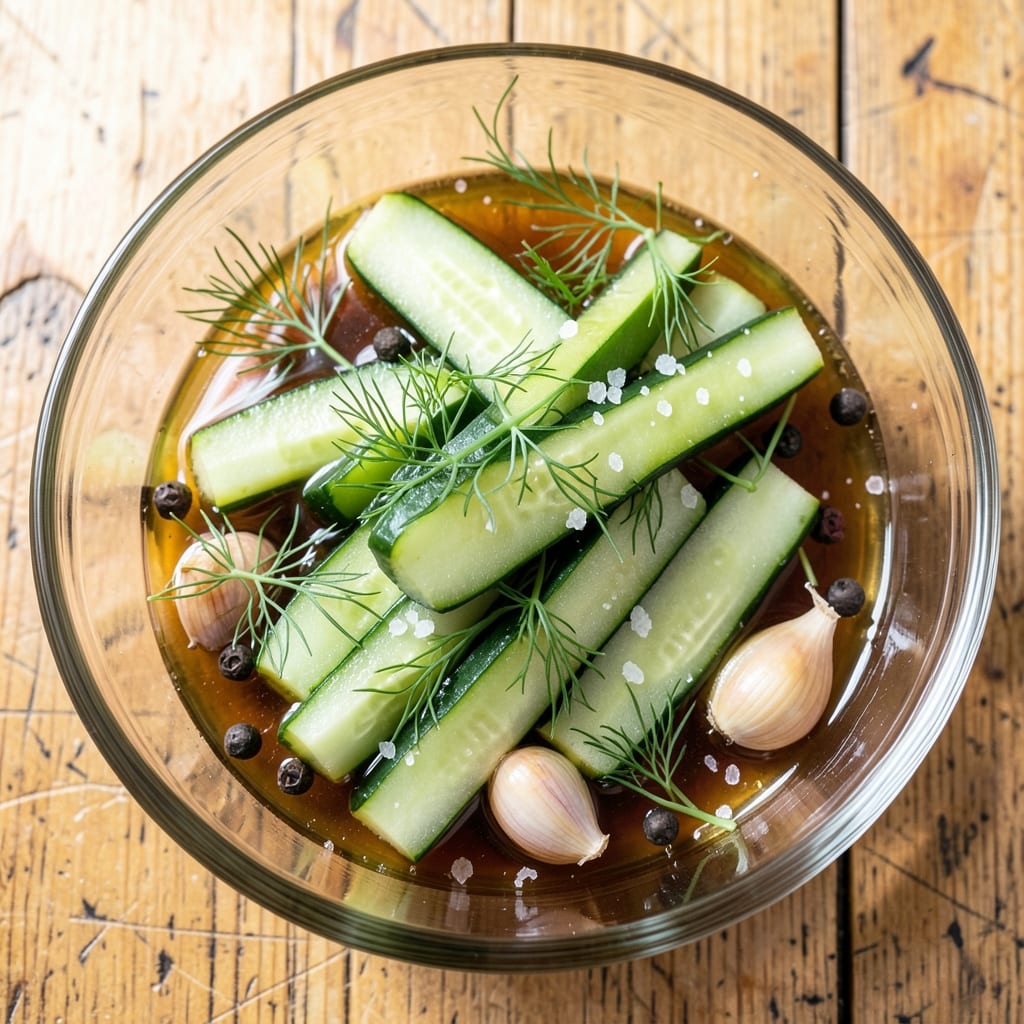
This apple cider dill pickle recipe transforms simple cucumbers into sweet-tangy crunchy bites that taste like autumn in every bite. The secret lies in the balance of apple cider vinegar, fresh dill, and a touch of garlic—creating a flavor profile that’s both nostalgic and refreshingly unique. Unlike traditional pickles, these develop a delicate sweetness from the vinegar and a satisfying crunch that disappears as you eat them.
The process is straightforward but requires patience: cucumbers soak in a sweetened brine for at least 24 hours, allowing the flavors to meld perfectly. No fermentation required—just a simple, foolproof method that delivers restaurant-quality results at home. The dill and garlic infuse the brine, while the apple cider vinegar adds a subtle sweetness that sets these apart from standard dill pickles.
What you’ll end up with is a jar of crisp, tangy pickles that pair perfectly with sandwiches, burgers, or even charcuterie boards. The sweet-tangy balance makes them irresistibly snackable, and the process is easy enough for beginners but refined enough to impress. Best of all, they keep for weeks in the fridge, so you’ll have a steady supply of homemade crunch.
Ready to make pickles that taste like fall? This recipe delivers bold flavor, satisfying crunch, and no fermentation fuss—just pure, delicious results. Let’s get started!
Ingredients for apple cider dill pickle
Fresh dill and apple cider vinegar create the perfect sweet-tangy balance for these crisp, aromatic pickles.
| Ingredient | Amount | Notes |
|---|---|---|
| Fresh Dill Weeds 🌿 | ½ cup | Chopped, stems removed |
| Apple Cider Vinegar 🍎 | 2 cups | Raw, unfiltered preferred |
| Granulated Sugar 🍚 | ¼ cup | White or raw cane |
| Kosher Salt 🧂 | 2 tbsp | Diamond Crystal preferred |
| Fresh Garlic Cloves 🧄 | 4 cloves | Smashed, skin-on |
| Fresh Black Peppercorns 🌶️ | 1 tsp | Crushed lightly |
| Persian Cucumbers 🥒 | 2 lb | Small, firm, unblemished |
| Distilled Water 💧 | 2 cups | Filtered or bottled |
| Red Wine Vinegar 🍷 | ½ cup | Optional for depth |
| Mustard Seeds 🌾 | 1 tsp | Yellow or brown |
| Fresh Juniper Berries 🌲 | 2 whole | Crushed lightly |
| Fresh Bay Leaves 🍃 | 2 whole | Crushed for aroma |
The quality of your vinegar and dill makes all the difference. Apple cider vinegar should be raw and unfiltered—look for brands like Bragg or Maverick at natural grocers. Fresh dill is non-negotiable; dried loses its aromatic punch. For the cucumbers, Persian or Kirby varieties stay crunchy longer—avoid thick-skinned varieties like Dutch. If you can't find fresh juniper berries, substitute 1/4 tsp ground juniper, but the flavor won't be the same. The sugar should be fine granulated; raw cane sugar adds subtle caramel notes if you want to splurge.
No fresh dill? Dried dill at one-third the amount works in a pinch, though the flavor will be more muted. Running short on apple cider vinegar? White vinegar with 1 tbsp extra sugar mimics the sweetness. For a quicker version, skip the juniper berries and bay leaves, but you'll lose that complex herbal depth. The mustard seeds add subtle heat—omit if you prefer milder pickles. If your cucumbers are large, slice them into 1/4-inch thick rounds for even pickling. For a spicier kick, add 1/2 tsp red pepper flakes to the brine.
Store your pickles in the refrigerator for up to 6 months—they'll keep crisp longer than store-bought. The flavor actually improves after the first week as the spices infuse. For best results, use a glass jar with an airtight seal and keep it submerged in the brine. If you make a large batch, portion into smaller jars for convenience. The pickles are ready to eat after 24 hours, but wait 48 hours for deeper flavor development. Freezing isn't recommended as it ruins the texture.
Why You'll Love This Recipe
- No Jar Needed: I just toss the pickles straight into the fridge in their brine—no canning, no fuss. The vinegar and sugar do all the work while I’m busy with the kids or scrolling through my phone.
- Garlic-Dill Magic: That first bite? Crisp cucumbers with a punch of fresh dill and a whisper of garlic—like a summer picnic in your mouth. Honestly, the apple cider vinegar ties it all together with this tangy-sweet kick.
- Party in a Jar: Slap these on any charcuterie board, sandwich, or burger and watch people ask, "What’s in these?" They’re my go-to for potlucks or lazy Sunday brunches—zero effort, maximum wow.
- Lasts for Weeks: Make a big batch, and I’m set for months. The salt and sugar preserve them beautifully, and I always have a snack ready when cravings hit. Plus, they’re cheaper than store-bought—just cucumbers and pantry staples.
Step-by-step instructions for apple cider dill pickles
Transform crisp Persian cucumbers into sweet-tangy fermented gems with this foolproof method.
Prepare the Cucumbers and Brine Base
Start by slicing the 2 lb Persian cucumbers into ½-inch thick rounds or spears. I prefer spears for maximum crunch—just cut them at a slight angle to create a clean surface for the brine to penetrate. Place the cucumbers in a large, non-reactive bowl (glass or food-grade plastic) and set aside.
In a separate bowl, dissolve the 2 tbsp kosher salt and 0.25 cup granulated sugar into the 2 cups distilled water. Stir until completely dissolved—this creates the brine foundation. The sugar will help balance the acidity while preserving the cucumbers' crisp texture. If you're using the optional 0.5 cup red wine vinegar, add it now along with the 2 cups apple cider vinegar to the brine mixture.
Build the Flavor Packets
Create small flavor bundles by combining the 0.5 cup chopped fresh dill weeds, 4 smashed garlic cloves, 1 tsp crushed black peppercorns, 1 tsp mustard seeds, 2 crushed juniper berries, and 2 crushed bay leaves. I like to wrap these ingredients in cheesecloth or place them in small muslin bags to make them easy to remove after fermentation. This keeps the pickles clean while infusing maximum flavor.
Add these flavor packets to the bowl with cucumbers, then pour the prepared brine over everything until the cucumbers are completely submerged. You might need to weigh them down with a small plate if they float—this ensures even pickling. Let the mixture sit at room temperature for 1 hour to allow the flavors to begin melding.
Ferment for Perfect Crunch
After the initial hour, transfer the cucumbers and their brine to a clean, airtight glass jar, making sure they remain completely submerged. Seal the jar tightly and store it in a cool, dark place (like your pantry) for 3-5 days. You'll know they're ready when the cucumbers develop a pleasant tang and maintain their crisp texture when bitten into.
For best results, check the pickles after 3 days—they should be flavorful but still firm. If they're not quite tangy enough after 5 days, they'll keep developing flavor for up to 2 weeks in the refrigerator. The longer they ferment, the more complex their flavor becomes, but they'll gradually soften over time.
Store and Enjoy
Once your pickles reach your desired level of tanginess, transfer them to airtight containers and refrigerate. They'll keep for up to 3 months in the fridge, with flavor continuing to develop over time. The brine should cover the cucumbers completely—if not, you can drink it (it makes a delicious, tangy seasoning) or add a bit more vinegar to preserve the remaining pickles.
Serve these pickles chilled as a refreshing snack, on sandwiches for a sweet-tangy crunch, or as a garnish for charcuterie boards. The combination of apple cider vinegar and fresh dill creates a unique flavor profile that's both familiar and exciting—perfect for pickle lovers looking to try something new.
Pro Tips For Making Apple Cider Dill Pickle
- STRIP THE DILL STEMS: Fresh dill bundles are great, but those tough stems won’t soften—just chew forever. Snip them off with kitchen shears before tying, and you’ll save yourself from a mouthful of regret later.
- BRINE THE CUCUMBERS FIRST: Skip the "just throw them in" approach. Soak cucumbers in a saltwater bath (1/4 cup kosher salt per quart of water) for 30 minutes before packing. This keeps them crisp longer—no one wants a mushy pickle.
- USE HOT BRINE, NOT BOILING: Pour your vinegar-sugar mix into the jar first, then heat it just until sugar dissolves. If you boil it first, the vinegar’s sharpness mellows out and the flavor loses its bright punch.
- SMASH THE GARLIC: Whole cloves hide in the jar like shy guests. Smash 2-3 cloves flat with the side of your knife before adding them—this releases their flavor and ensures every bite gets that garlicky kick.
Wine and beer pairings for apple cider dill pickle
Apple Cider Wine Pairings
Pair these sweet-tangy pickles with a crisp dry Riesling from Germany or Austria—the acidity mirrors the apple cider's brightness while its floral notes complement the dill. I love a Mosel Riesling like Dr. Loosen Blue Slate—it’s light enough to let the pickles shine without overpowering. For a red option, try a Pinot Noir with subtle fruitiness, like a Willamette Valley example—it won’t clash with the vinegar’s sharpness. 🍷
Beer Pairings
A Belgian Witbier like Hoegaarden or Stella Artois is my go-to—its coriander and citrus notes dance perfectly with the dill and apple cider. For something bolder, a German Helles Lager (like Weihenstephaner Original) balances the sweetness without drowning it out. Avoid heavy IPAs or stouts—they’ll make the pickles taste one-dimensional. 🍺
Cocktail Enhancements
Use the leftover brine as a sour mix in cocktails! Stir 2 oz gin (like Hendrick’s) with 1 oz pickle brine, a splash of lemon juice, and a dash of simple syrup. Top with soda water for a refreshing dill pickle gin fizz. For a non-alcoholic twist, mix brine with sparkling apple cider and a pinch of salt for a tangy spritzer. ✨
Cheese Board Synergy
These pickles cut through creamy cheeses like brie or goat cheese while adding a sweet contrast. Pair with a sharp cheddar for a salty-tangy combo, or try blue cheese for a bold flavor clash. A honey drizzle over the board ties everything together beautifully. 🧀
Burger and Sandwich Pairings
Squeeze these pickles onto a smash burger with American cheese and caramelized onions—the sweetness balances the beef’s richness. For sandwiches, layer them in a Reuben (with sauerkraut) or a grilled cheese with tomato jam for a sweet-savory explosion. The dill and apple cider elevate any fried or grilled protein. 🍔
Nutrition facts
Frequently asked questions
Can I use regular vinegar instead of apple cider vinegar?
The apple cider vinegar gives these pickles their signature sweet-tangy flavor, but you can substitute with white vinegar if needed. For best results, add 1 extra tablespoon of sugar to compensate for the missing sweetness. The flavor won't be identical, but it'll still be delicious.
How long do these pickles need to ferment?
For tender-crisp pickles with balanced flavor, ferment for 3-5 days at room temperature. After 3 days, they'll be ready to eat but still developing flavor. If you prefer them extra tangy, ferment up to 2 weeks in the fridge. The longer they ferment, the softer they become.
Can I make these pickles without dill?
Yes, but the flavor will be very different! If you're out of dill, try 1 tsp dried dill (one-third the amount) or substitute with 1 tbsp fresh tarragon for an anise-like note. For a completely different profile, add 1 tsp dried oregano instead. The apple cider will still shine through.
Why did my pickles turn cloudy or mushy?
Cloudiness often means fermentation progressed too far, while mushiness usually happens when cucumbers weren't fully submerged or were over-fermented. Always keep cucumbers completely covered in brine and ferment at room temperature for no more than 5 days. For extra crunch, add 1/4 cup calcium chloride to the brine.
Can I reuse the brine for multiple batches?
Yes! The leftover brine makes a fantastic seasoning or can be used for 1-2 more batches of pickles. Just add fresh cucumbers and enough vinegar to maintain the proper ratio. For best flavor, use it within 2 weeks of opening. The brine also works as a marinade for meats or a tangy dressing base.