
Beverages
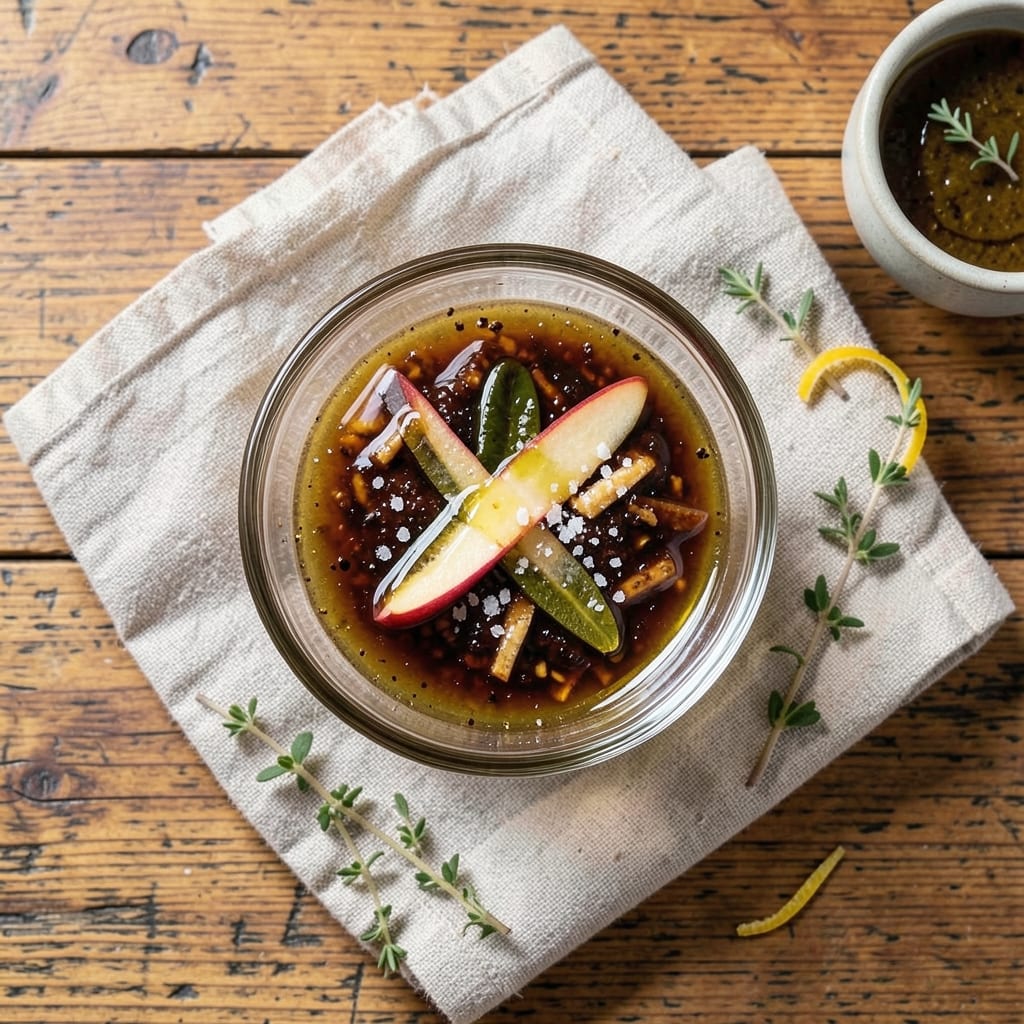
This apple cider balsamic vinaigrette recipe transforms simple salads into vibrant, restaurant-worthy meals with just five ingredients. The perfect balance of sweet apple cider and tangy balsamic creates a dressing that brightens greens, enhances roasted vegetables, and even elevates grilled proteins. I developed this recipe after years of testing—it’s the one that finally replaced store-bought bottles for good.
The secret lies in the emulsification: Dijon mustard binds the oil and vinegar for a silky texture, while a quick whisk ensures no separation. No fancy equipment needed—just a bowl and a fork. This dressing stays fresh in the fridge for up to five days, making it ideal for meal prep. It’s versatile enough for everything from crisp winter salads to summer grilled veggies.
What makes this vinaigrette stand out is its depth of flavor—sweet, tangy, and slightly smoky from the balsamic. The apple cider adds a subtle caramel note that rounds out the acidity, creating a dressing that’s complex yet simple. It’s the kind of sauce that makes healthy eating feel indulgent, without sacrificing taste.
Use it as a base for grain bowls, drizzle over roasted Brussels sprouts, or even toss with pasta for a quick, flavorful meal. The possibilities are endless, and the best part? It comes together in under five minutes. Let’s make this dressing your new go-to for effortless flavor.
Ingredients for apple cider balsamic vinaigrette
Five simple ingredients create this vibrant dressing that elevates salads to restaurant-quality meals.
| Ingredient | Amount | Notes |
|---|---|---|
| Apple Cider Vinegar 🍏 | ½ cup | Bottled, unfiltered preferred |
| Balsamic Vinegar 🍷 | ¼ cup | Aged, not the sweetened kind |
| Extra-Virgin Olive Oil 🫒 | ¾ cup | High-quality, fruity variety |
| Dijon Mustard 🌶️ | 1 tbsp | Mild or strong, not yellow mustard |
| Granulated Sugar 🍚 | 1 tbsp | White or raw cane sugar |
| Sea Salt 🧂 | ½ tsp | Fine grain preferred |
| Freshly Ground Black Pepper 🌶️ | ¼ tsp | Freshly cracked for best flavor |
The vinegars are the heart of this dressing. Apple cider vinegar adds a subtle caramel sweetness, while aged balsamic brings depth and smokiness. For the best quality, I recommend Bragg for apple cider and Giovanni Rossi for balsamic—both are widely available and consistently excellent. If you're using the sweetened balsamic glaze, reduce the sugar slightly to balance the sweetness. The olive oil should be extra-virgin with a peppery finish—avoid the mild varieties that lack character.
No Dijon mustard? Whole-grain mustard at half the amount works in a pinch, though it may be slightly grainier. Running out of sugar? Maple syrup or honey at the same quantity will add depth, though honey is not vegetarian. For a lower-calorie option, use monk fruit sweetener—just reduce to two-thirds the amount. The salt and pepper are simple but critical; Diamond Crystal kosher salt dissolves best, and freshly cracked pepper adds a bright finish that pre-ground can't match. Store-bought vinaigrettes often use cheap oils and artificial flavors—this version proves you can do better with basic ingredients.
This dressing keeps beautifully in the fridge for up to 5 days when stored in an airtight container. The emulsification holds well, but give it a quick whisk before each use to restore silkiness. For longer storage, transfer to a glass jar and keep it in the fridge—it'll stay fresh for 2 weeks. I like to make a double batch so I always have some on hand; the extra portion makes a fantastic marinade for grilled vegetables or chicken. If you find the texture separating after a few days, just whisk vigorously with a splash of water to restore it.
Why You'll Love This Recipe
- Five-Ingredient Magic: I swear by this one—just shake those five pantry staples (yes, even the sugar balances it perfectly) and you’ve got a dressing that tastes like you slaved over it.
- Fall in a Jar: Honestly, the way apple cider and balsamic swirl together? It’s like autumn in liquid form—sweet, tangy, and just a whisper of depth from the Dijon. Drizzle it on anything and suddenly it feels seasonal.
- Weeknight Workhorse: Between us, this is my go-to for salads, roasted veggies, or even a quick chicken bowl. Make a big batch on Sunday, and you’ve got dressing for days without extra effort.
- Pantry Goldmine: No fancy ingredients, no markup—just vinegar, oil, and a pinch of sugar. I’ve used this to dress up store-bought greens, cheap roasted potatoes, and even as a marinade. Budget-friendly doesn’t get better than this.
Step-by-step instructions for apple cider balsamic vinaigrette
This bright, balanced dressing comes together in minutes with simple technique.
Whisk Vinegars and Mustard for Emulsion Foundation
In a medium bowl, combine the 0.5 cup Apple Cider Vinegar and 0.25 cup Balsamic Vinegar. I use a whisk for this step—it creates a smooth base and helps incorporate air, which will help the dressing emulsify later. Add the 1 tbsp Dijon Mustard and whisk vigorously for 30 seconds until fully dissolved. The mustard acts as an emulsifier, binding the oil and vinegar later.
Here's the thing—don't skip the whisking. Unevenly dissolved mustard can cause the dressing to separate later. You'll see the mixture become slightly thicker as the mustard blends completely. This initial step sets up the perfect balance of tangy and sweet that defines this dressing.
Gradually Add Olive Oil for Perfect Emulsion
With the whisk still in the bowl, slowly drizzle in the 0.75 cup Extra-Virgin Olive Oil while whisking continuously. I add it in a thin, steady stream—this gradual approach prevents the oil from breaking the vinegar mixture. Keep whisking for 1-2 minutes until the dressing thickens noticeably and takes on a creamy, mayonnaise-like consistency.
The key is patience here. If you pour the oil too quickly, you'll end up with a separated dressing. You'll know it's working when the mixture becomes uniformly thick and glossy. If it looks too thin at this point, we'll adjust it in the next step.
Sweeten and Season to Balance Flavors
Add the 1 tbsp Pure Maple Syrup, 0.5 tsp Sea Salt, and 0.25 tsp Freshly Ground Black Pepper to the dressing. Whisk for another 30 seconds until everything is fully incorporated. Taste the dressing at this point—it should have a bright tang from the vinegars, a subtle sweetness from the maple syrup, and a smooth finish from the olive oil.
Real talk: the first taste might seem too acidic. That's normal. The maple syrup and olive oil will mellow it out as you whisk. If it's still too sharp after adding all ingredients, you can adjust by adding a tiny bit more maple syrup—just ½ tsp at a time—until you reach the perfect balance of sweet and tangy.
Rest and Adjust for Ultimate Consistency
Let the dressing sit at room temperature for 5 minutes before tasting again. This resting period allows all the flavors to meld together completely. After the rest, give it one final whisk to ensure everything is evenly distributed. The dressing should now have a velvety texture with just the right balance of sweet, tangy, and savory notes.
If the dressing has separated slightly (which can happen with some olive oils), simply whisk vigorously for another 30-60 seconds. The mustard should bring it back together. For a thinner consistency, add 1-2 teaspoons of water at a time. For a thicker dressing, let it sit for another 5-10 minutes—the flavors will concentrate naturally.
Pro Tips For Making Apple Cider Balsamic Vinaigrette
- Whisk in Stages: Start by whisking the vinegars and mustard together—this keeps the sugar from clumping when you add it later. After the sugar dissolves, then drizzle in the olive oil slowly while whisking constantly. I used to dump everything in at once, and the dressing always ended up grainy.
- Use Aged Balsamic: Skip the cheap stuff—aged balsamic (at least 12 years) adds depth that cheap vinegar can’t match. If you’re pinching pennies, reduce it to 1 teaspoon and add a splash of honey or maple syrup for complexity. Trust me, your salad will taste like you actually care.
- Measure Oil Last: Taste the vinegar-mustard-sugar mix before adding oil—it’s the only way to know if you need more sweetness or acid. Once you add the oil, the flavor shifts, and you’ll either be overpowering it or underseasoned. (Yes, even if you’re impatient like me.)
- Shake It Down: If your dressing separates after sitting, give it a hard shake before using—no need to re-emulsify from scratch. The oil and vinegar will come back together if you’re rough with it. I learned this the hard way after letting a batch sit overnight and panicking.
Best sauces and condiments for apple cider balsamic vinaigrette
Sweet and Tangy Upgrades
Swap the maple syrup for agave nectar if you prefer a neutral sweetness—it blends seamlessly without overpowering the apple cider's caramel notes. For a deeper caramel flavor, add ½ tsp vanilla extract to the dressing. I love this in winter when I want extra warmth in my salads. For a spicy kick, stir in ½ tsp smoked paprika or a pinch of cayenne—it pairs beautifully with roasted sweet potatoes. 🌶️
Herb and Spice Infusions
Fresh herbs elevate this dressing instantly. Add 1 tbsp finely chopped fresh thyme or rosemary for an earthy depth, especially great with roasted root vegetables. For a bright, citrusy twist, zest 1 tsp lemon or orange peel and add it to the dressing. I also love 1 tsp chopped chives for a mild onion note that works well with grain bowls. Always add herbs at the very end to preserve their freshness.
Nutty and Crunchy Add-Ins
For texture, stir in 1 tbsp toasted walnuts or pecans (finely chopped) right before serving. The nutty crunch contrasts beautifully with the smooth dressing. For a Mediterranean twist, add 1 tsp chopped kalamata olives—their briny flavor cuts through the sweetness. I also like 1 tsp toasted pumpkin seeds for a subtle earthy note that pairs well with winter greens. Add these just before tossing to keep them crisp.
Savory Protein Pairings
This dressing isn't just for salads—it's amazing with proteins too. Use it as a marinade for grilled chicken or pork tenderloin by adding 1 tsp garlic powder and ½ tsp onion powder to the recipe. It also works wonderfully with seared salmon or pan-seared tofu. For a quick pasta dish, toss cooked penne or farfalle with the dressing, cherry tomatoes, and fresh basil. The acidity helps tenderize proteins while adding bright flavor. 🍽️
Vegetable and Grain Bowls
Transform this dressing into a complete meal by using it as a base for quinoa or farro bowls. Toss cooked grains with the dressing, then top with roasted Brussels sprouts, shaved fennel, and crumbled goat cheese. For a heartier option, add grilled shrimp or black beans. It also works perfectly with roasted butternut squash and toasted pepitas. The dressing's balance of sweet and tangy makes it ideal for autumnal ingredient combinations.
Storage and Flavor Preservation
Store leftovers in an airtight glass jar in the fridge for up to 5 days. If the dressing separates, simply whisk vigorously to re-emulsify. For longer storage, transfer to a freezer-safe container and freeze for up to 3 months. Thaw in the fridge overnight before using. I like to make a double batch—it keeps well and makes a great quick dressing for last-minute meals. The flavors actually improve slightly after a day or two as the ingredients meld together. ❄️
Nutrition facts
Frequently asked questions
Can I use this dressing on hot dishes like roasted vegetables?
Yes, but wait until the last 5-10 minutes of roasting. The acidity in the dressing helps tenderize veggies like Brussels sprouts or carrots, but adding it too early can make them soggy. For best results, toss the dressing over hot vegetables right after removing them from the oven. The heat will help the flavors meld beautifully.
What's the best way to fix separated dressing?
Simply whisk vigorously for 30-60 seconds—the Dijon mustard acts as an emulsifier and will bring everything back together. If it still separates, add 1 teaspoon of water at a time while whisking until smooth. For a thicker consistency, let it sit for 5-10 minutes uncovered to allow excess moisture to evaporate.
How do I adjust the sweetness for different tastes?
Start with the recipe as written, then adjust to taste. For more sweetness, add ½ teaspoon of maple syrup at a time. For less sweetness, reduce the sugar slightly or use ½ teaspoon less maple syrup. If you prefer a more acidic profile, add 1 teaspoon extra apple cider vinegar. Always taste after each adjustment.
Can I make this dressing without Dijon mustard?
Yes, but the texture may be slightly different. Use ½ tablespoon of whole-grain mustard instead, though it may be grainier. For a mustard-free version, add 1 teaspoon of honey or agave and whisk vigorously for 2 minutes to help emulsify the oil. The dressing will still work, but the mustard provides the best stability.
Is this dressing suitable for meal prep?
This dressing keeps well in an airtight container in the fridge for up to 5 days. For meal prep, make a double batch and store it in a glass jar. Give it a quick whisk before each use to restore its silky texture. The flavors actually improve slightly as they meld together over time. Perfect for busy weeks!