
Beverages
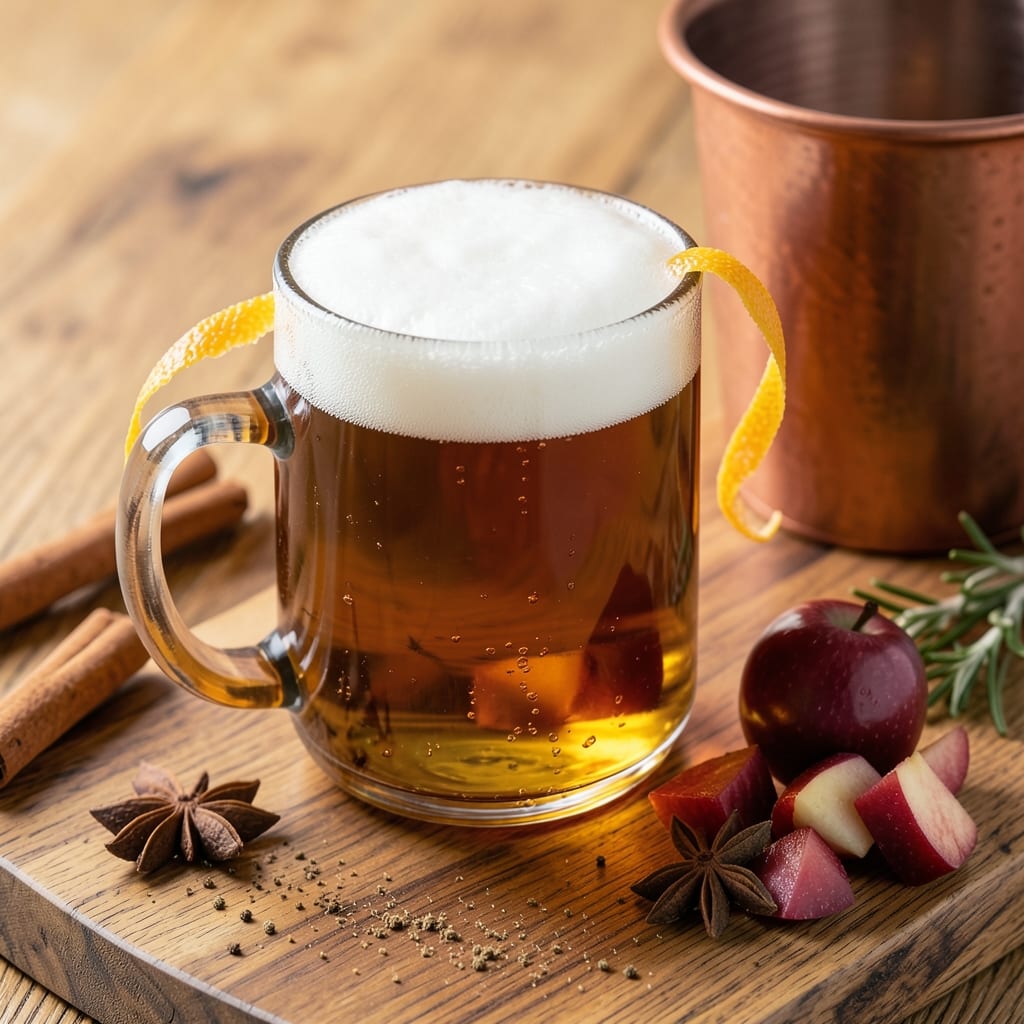
This apple cider ale recipe transforms crisp fall apples into a rich, spiced brew with perfect carbonation—just like your favorite autumn pub ale. The process combines traditional cider-making techniques with modern brewing precision, ensuring a balanced blend of tart apple flavors, warm spices, and a crisp, effervescent finish. What makes this recipe stand out is the ability to customize the spice profile, from classic cinnamon and clove to experimental cardamom or orange peel.
The foundation lies in selecting the right apples—tart varieties like Granny Smith or McIntosh create the ideal balance of acidity and sweetness. A gentle mash and fermentation process preserves the apple’s natural character while developing depth through careful spicing and hopping. Unlike commercial versions, this recipe lets you control the fermentation time for a lighter, crisper ale or a richer, more complex brew with extended aging.
By the time you bottle your ale, you’ll have a beverage that’s golden, aromatic, and perfectly carbonated—ready to serve chilled in a frosted mug or straight from the bottle. The spices infuse gradually, creating layers of warmth that complement the apple’s brightness. Whether you’re brewing for a cozy gathering or simply craving a homemade alternative to store-bought cider, this recipe delivers professional-quality results with just a few key ingredients and patience.
The best part? This method scales effortlessly—brew a small batch for personal enjoyment or expand to share with friends. For those who love experimentation, dry-hopping or barrel-aging options unlock even more complexity. Let’s get brewing!
Ingredients for apple cider ale
Golden apples, warm spices, and crisp fizz—this brew captures autumn in every sip.
| Ingredient | Amount | Notes |
|---|---|---|
| Fresh Tart Apples (Granny Smith or McIntosh) 🍎 | 2 ½ lb | Peeled, cored, quartered |
| White Sugar 🍚 | 1 ½ cups | Granulated, organic preferred |
| Active Dry Yeast 🍺 | ¼ oz | Or 1 packet (0.25 oz) |
| Cinnamon Sticks 🌿 | 3 whole | Or 1 tbsp ground cinnamon |
| Cloves 🌶️ | 4 whole | Whole, not ground |
| Orange Peel 🍊 | 1 tbsp | Organic, finely chopped |
| Hops (Pellets or Whole) 🌿 | ½ oz | 60-minute boil variety |
| Chlorine-Free Water 💧 | 4 cups | Filtered or bottled preferred |
| Priming Sugar 🍚 | ½ cup | For carbonation |
| Lemon Juice 🍋 | 1 tbsp | Freshly squeezed |
The apples are non-negotiable—Granny Smith or McIntosh for that perfect tartness. Local orchards or Trader Joe's often have the best selection, but any grocery store will work if they're firm and vibrant. Skip the bruised ones. For yeast, Lallemand or Safale US-05 are my go-tos, but any active dry yeast will ferment this ale. The cinnamon sticks infuse better than ground—just tie them with twine for easy removal. If you're feeling adventurous, swap one clove for a pinch of cardamom pods—trust me, it works.
No cinnamon sticks? Ground cinnamon at half the amount works in a pinch, but the sticks add a deeper complexity. Running low on hops? Substitute with 1 tbsp of hop extract (adjust to taste). The orange peel can be swapped for 1 tsp of orange extract if fresh isn't available. For a lighter brew, reduce sugar to 1 cup—just know it'll be less body. And if you're brewing in summer, add an extra 1/2 cup of water since apples release more juice in heat. The yeast packet? Check the expiration date—old yeast means sluggish fermentation.
This ale tastes better with age—2-3 weeks in the fridge lets the flavors meld beautifully. Store bottles in a cool, dark place until ready to drink. If you're not drinking it all, freeze extras—thawing works fine, though carbonation may soften slightly. For a fun twist, try dry-hopping with an extra 0.25 oz of hops before bottling. The priming sugar? Add it right before bottling—no need to boil it first. And if you're worried about over-carbonation, use 0.25 cup priming sugar instead for a gentler fizz.
Why You'll Love This Recipe
- Pantry Magic: I’ll be real—this recipe uses things I already have: a bag of sugar, a jar of yeast, and apples from last week’s grocery run. No special trips, no obscure ingredients. Just toss in cinnamon sticks and cloves, and boom—homemade cider that tastes like fall in a jar.
- Spiced Perfection: That first sip? Tart Granny Smith apples balanced by warm cinnamon and cloves—it’s like drinking a hug. The yeast does its thing, but honestly, the spices steal the show. I’ve made it weak, strong, and everything in between, but the spice blend makes it always memorable.
- Zero Waste, Big Payoff: I make a big batch (5 gallons, no joke) and end up with enough for weeks. The leftovers ferment into something even richer, and if I get tired of drinking it, I’ll toss a bottle into oatmeal or blend it into a smoothie. Plus, using bruised apples means less food waste—win-win.
Step-by-step instructions for crafting apple cider ale
Here's how to transform tart apples and autumn spices into a crisp, aromatic cider ale.
Prepare the Apple Base and Sterilize Equipment
Quarter the 4 lb Granny Smith Apples, removing cores and any bruised sections. Peel if you prefer a smoother texture, though I like the subtle tartness of the skin. Chop the apple quarters into ½-inch chunks—this size balances extraction and fermentation efficiency.
In a large sanitized pot, combine the apple chunks with the 1 gallon Water. Bring to a boil, then reduce heat to maintain a gentle simmer for 30 minutes, stirring occasionally. This process extracts the apple's natural sugars and flavors while breaking down the fruit's structure. While the apples cook, crush the 1 piece Campden Tablets between two spoons and dissolve them in ½ cup of hot water. This sterilizing agent prevents unwanted bacteria from spoiling your brew.
Infuse with Spices and Hops
After simmering, remove the pot from heat and let the apple mixture cool to 70°F—this takes about 1 hour. While cooling, add the dissolved Campden Tablets to the wort. Next, tie the 3 whole Cinnamon Sticks and 6 whole Whole Cloves in a small cheesecloth bundle to create a spice bag. Add this to the cooled mixture along with the 1 tbsp Orange Peel and 0.5 oz Hops Pellets.
Let the mixture steep for 24 hours at room temperature. This infusion period allows the spices and hops to impart their distinct flavors—cinnamon's warmth, cloves' depth, and hops' bitterness. After steeping, strain the liquid through a fine-mesh sieve or cheesecloth into a sanitized fermenter, pressing gently on the solids to extract all the liquid. Discard the spice bag and fruit solids.
Ferment the Base Mixture
Once the strained liquid has cooled to 68-72°F, add the 1.5 cups White Granulated Sugar to feed the yeast. Stir well to ensure even distribution of the sugar. Sprinkle the 0.25 oz Active Dry Ale Yeast over the surface, then gently swirl the fermenter to distribute it without creating a vortex that incorporates too much oxygen.
Cover the fermenter with a clean cloth or airlock and let it ferment at room temperature for 5-7 days. You'll know fermentation is active when you see a steady stream of bubbles in the airlock. This process converts the sugars into alcohol and carbon dioxide, developing the ale's characteristic fizz and flavor. After the initial fermentation, transfer the mixture to a secondary fermenter to clarify and continue fermenting for an additional 2-3 weeks at cooler temperatures around 60-65°F.
Prime and Bottle for Carbonation
Once fermentation has slowed significantly and the ale is clear, it's time to bottle. First, add the 0.5 cup Priming Sugar to the fermenter and stir gently to dissolve. This sugar will be fermented by the remaining yeast in each bottle, creating the carbonation that gives cider ale its signature fizz.
Using a sanitized siphon, transfer the ale to sanitized swing-top bottles, leaving about 1 inch of headspace at the top. Seal the bottles tightly and store them in a dark, cool place for 2-3 weeks to allow the priming sugar to carbonate. After this period, your apple cider ale should have a lively, effervescent quality ready to enjoy.
Pro Tips For Making Apple Cider Ale
- PEEL AND CORE FAST: Use a sharp paring knife instead of an apple corer—it’s quicker and gives you more control over how much fruit you keep. I learned this the hard way after struggling with a corer that left uneven chunks and wasted good apple.
- SIMMER SPICES LONG: Drop cinnamon sticks and cloves in the pot with the apples, but don’t rush the simmer. Let them steep for at least 20 minutes—this pulls out their flavor without turning the brew bitter. I used to skip this, and the spice taste was always weak.
- COOL THE WORT QUICK: After mashing the apples and straining the liquid, transfer it to a clean pot and chill it fast with an ice bath. Yeast works best in cool liquid (around 70°F), and skipping this step can lead to sluggish fermentation. I tried letting it cool on the counter once, and it took hours—not worth it.
- WEIGH YOUR SUGAR: Use a kitchen scale for the sugar—1 cup of white sugar isn’t always 1 cup by weight, and yeast loves consistency. Aim for about 1.040–1.050 specific gravity for a balanced ale. I used to eyeball it, and the results were either too sweet or too dry.
Serving suggestions for this apple cider ale
Chilled Mug Presentation
Serve your apple cider ale in frosted mugs or chilled glassware to enhance the autumnal experience. I like to place the mugs in the freezer for 15-20 minutes before pouring—this creates condensation that makes the drink feel extra refreshing. For an added touch, garnish with a cinnamon stick or orange wheel on the rim. 🍂
Pairing with Food
This ale pairs beautifully with spiced desserts like apple crumble or pecan pie—its warm spices complement the caramelized notes. For savory options, try it with sharp cheddar cheese boards or smoked meats like pulled pork. The tannins in the ale cut through the richness perfectly. 🧀
Seasonal Serving Ideas
For a festive touch, serve your ale in mini mason jars with mini cinnamon sticks as stirrers. These make great party favors or centerpieces for holiday gatherings. If you're brewing for a crowd, consider batch-chilling the ale in a large pitcher with ice to keep it cold and ready to pour. 🎄
Warm or Cold?
While this ale is best served chilled, you can also enjoy it slightly warmer—around 50-55°F—to highlight the spice notes. I often pour a small glass at room temperature to appreciate the complexity before chilling the rest. This works especially well when paired with warm apple cider donuts or gingerbread cookies. ☕
Festive Garnishes
Elevate your serving with edible garnishes like star anise pods or dried cranberries floating on top. A sprinkle of ground cinnamon or nutmeg adds visual appeal and extra flavor. For a unique twist, try a dash of hot honey drizzled over the foam—it balances the tartness beautifully. 🍯
Bottle Decorating
If you're bottling your ale for gifts, decorate the swing-top bottles with autumn-themed labels or twine wraps. I like to use waterproof markers to write the batch date and flavor profile. Store them in a cool, dark place until ready to serve—this keeps the carbonation crisp and the flavors fresh. 🎁
Nutrition facts
Frequently asked questions
Can I use store-bought apple cider instead of fresh apples?
Yes, but with adjustments! Use 4 cups of high-quality, unfiltered apple cider (no added sugar) and reduce the water to 2 cups. Simmer for 20 minutes to concentrate flavors, then proceed with the spice infusion. The result will be slightly less complex but still delicious. For best flavor, avoid ciders with preservatives or artificial flavors.
How do I know when fermentation is complete?
Fermentation is done when the airlock stops bubbling for 24 hours and the ale is clear. For extra certainty, use a hydrometer to check the specific gravity—when it stabilizes at 1.000-1.005, fermentation is complete. If you're unsure, let it sit an extra week before bottling to ensure all yeast activity has ceased.
What if my ale tastes too sweet or too tart?
Adjust sweetness by adding 1-2 tbsp lemon juice for tartness or 1 tsp honey for sweetness to each bottle before sealing. For tartness, reduce sugar to 1 cup next time. If it's too sweet, try a longer secondary fermentation (3-4 weeks) to let yeast convert more sugar to alcohol. Always taste as you go!
Can I make this recipe without hops?
Skip the hops and increase the orange peel to 2 tbsp for brightness. Add 1/2 tsp coriander seeds (toasted and crushed) for complexity. The ale will taste more like spiced cider but still be refreshing. For bitterness, substitute with 1/4 tsp brewers yeast or a pinch of unsweetened cocoa powder.
How long will my apple cider ale keep?
Once bottled, your ale will stay fresh for 3-6 months in a cool, dark place. After opening, refrigerate and consume within 1 week. For longer storage, freeze bottles (leave 1/2 inch headspace) and thaw in the fridge. The carbonation may soften slightly, but flavors remain intact. Always check for proper seal before drinking.