
Beverages
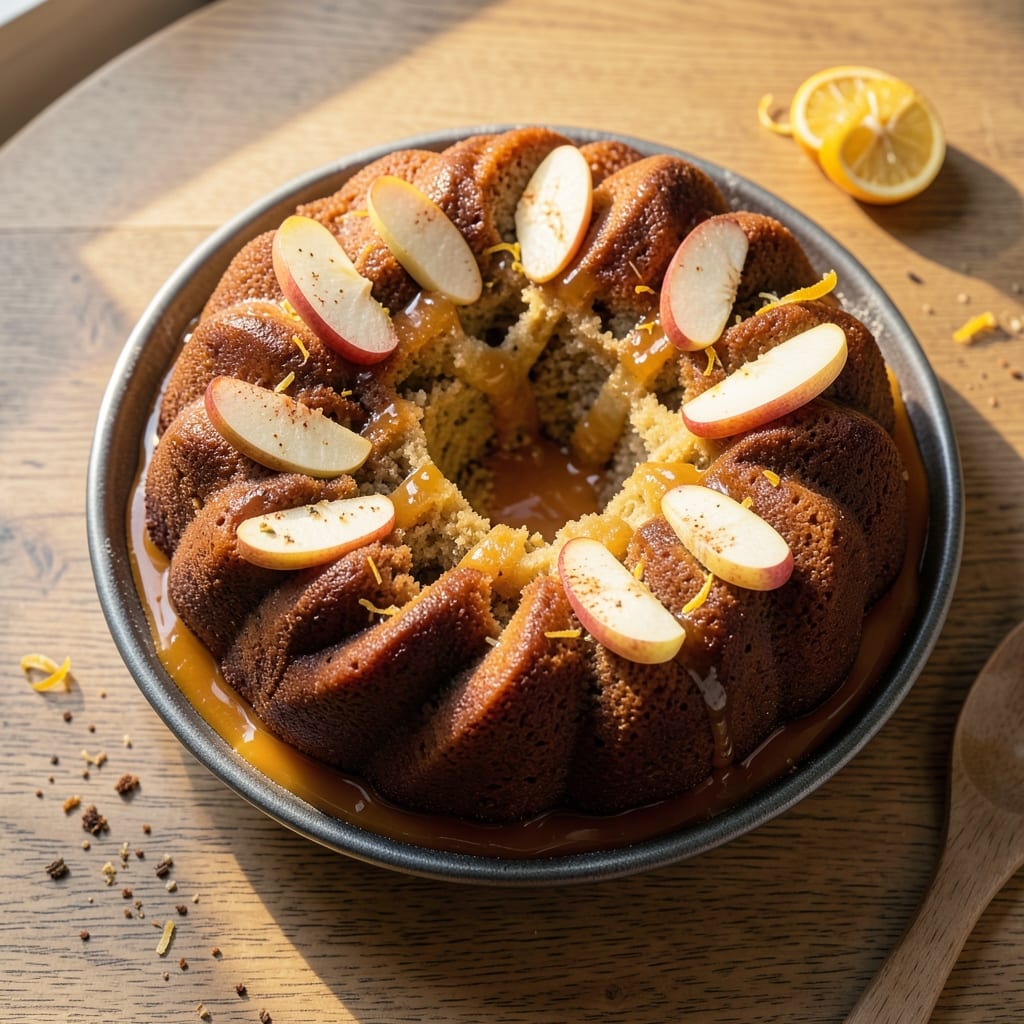
This apple bundt cake recipe with orange juice transforms a classic dessert into something extraordinary—bright citrus notes cut through sweet apple spice, creating a moist, tender crumb that stays fresh for days. The secret lies in the orange juice, which tenderizes the apples and infuses the batter with a subtle tang that keeps every slice from feeling heavy. I developed this recipe after years of baking bundt cakes, and the difference between this version and traditional recipes is night and day.
The bundt cake's signature shape ensures even baking and a perfect rise, with a crisp exterior that gives way to a velvety interior. The combination of apples, warm spices, and citrus creates a flavor profile that's both comforting and refreshing—ideal for autumn gatherings or holiday tables. Unlike dense cakes, this version stays moist for hours, making it perfect for meal prep or special occasions when you want dessert that impresses.
What makes this recipe truly special is how the orange juice works—it doesn't just add flavor, it transforms the texture. The juice tenderizes the apples while keeping the cake's structure intact, resulting in a tender crumb that's impossible to resist. Each bite delivers a perfect balance of sweet, tart, and spiced notes, with the bundt shape ensuring every slice is visually stunning and perfectly portioned.
The best part? This cake pairs beautifully with vanilla ice cream or a drizzle of caramel, and the citrus brightness makes it versatile enough for brunch or afternoon tea. Once you try this version, you'll never go back to traditional apple bundt cakes. Let's get baking!
Ingredients for apple bundt cake recipe with orange juice
Bright citrus meets warm apple spice in this showstopper bundt cake—juicy, tender, and packed with flavor.
| Ingredient | Amount | Notes |
|---|---|---|
| All-Purpose Flour 🌾 | 2 ½ cups | Sifted for light texture |
| Granulated Sugar 🍚 | 1 ½ cups | White or light brown |
| Light Brown Sugar 🍚 | ½ cup | Packed firmly |
| Orange Juice 🍊 | 1 cup | Freshly squeezed, no pulp |
| Unsalted Butter 🧈 | 1 cup | Softened to room temp |
| Large Eggs 🥚 | 2 whole | Room temperature |
| Vanilla Extract 🌿 | 1 tbsp | Pure extract preferred |
| Ground Cinnamon 🌶️ | 1 ½ tsp | Freshly ground preferred |
| Ground Nutmeg 🌶️ | ½ tsp | Freshly grated |
| Ground Allspice 🌶️ | ½ tsp | For warm spice depth |
| Baking Powder 🧂 | 2 tsp | Aluminum-free preferred |
| Salt 🧂 | ½ tsp | Fine sea salt |
| Apples 🍎 | 2 medium | Peeled, cored, diced small |
| Orange Zest 🍊 | 1 tbsp | From 1 fresh orange |
The orange juice is non-negotiable here—freshly squeezed makes all the difference. Trader Joe's has the best price for organic oranges, but any juicy variety works. For the apples, Granny Smiths or Honeycrisp hold up best to baking—they stay firm without turning mushy. I always peel and dice them small so they blend right into the batter. The butter? Use full-fat, unsalted—it keeps the cake moist longer, and you can't beat the flavor. If you're short on time, microwave the butter 40 seconds to soften it without melting.
No fresh orange juice? Store-bought pulp-free works in a pinch, but add a splash of lemon juice to mimic the tang. For the apples, substitute with 1 cup unsweetened applesauce if you're in a rush, but you'll lose that perfect texture. The spices are where the magic happens—Penzeys has the best ground spices, but regular grocery store brands work fine. Want more orange flavor? Add an extra tablespoon of zest. The vanilla extract? Imitation won't cut it—splurge on pure. And if you're baking for a crowd, double the recipe—this cake disappears fast!
This cake keeps beautifully—3 days at room temperature wrapped in foil, or 5 days in the fridge once cooled. For longer storage, slice and freeze portions for up to 3 months. I like to make two cakes at once and freeze one—perfect for last-minute gatherings. The bundt pan is a must for that signature shape, but if you don't have one, a tube pan works too. Just grease it well and dust with flour. And trust me, every slice tastes better the next day—the flavors meld overnight.
Why You'll Love This Recipe
- No Mixer Needed: I swear by this recipe when my mixer’s on the fritz—just cream the butter and sugars by hand, then fold in the flour and orange juice. The Bundt pan does all the heavy lifting, so you’re really just measuring and pouring.
- Citrus-Kissed Magic: That bright orange juice cuts through the sweetness like a breath of fresh air, while the brown sugar adds just enough caramel depth. Honestly? The first bite tastes like autumn in a pan, but without the work of pie crust.
- Weekend Brunch Star: Serve it warm with a scoop of vanilla ice cream for a lazy Sunday, or slice it cold the next day for a quick office snack. Between us, it’s my go-to when I need something special but don’t want to slave over it.
- Leftovers That Last: This cake keeps beautifully for days—moist enough to reheat in the microwave, or even freeze for a last-minute dessert. I’ll be real: I’ve had it for breakfast twice in a row, and no one’s complained (yet).
Step-by-step instructions for apple bundt cake with orange juice
Here's how to bake a perfectly moist bundt cake with bright citrus flavor and tender apple texture.
Prepare the Bundt Pan and Mix Dry Ingredients
Preheat your oven to 350°F and generously grease a 10-12 cup bundt pan using the 0.25 cup vegetable oil. I like to use a pastry brush for even coverage, then dust thoroughly with flour, tapping out any excess. This ensures easy release later. In a medium bowl, whisk together the 2.5 cups all-purpose flour, 2 cups granulated sugar, 1 cup packed brown sugar, 2 tsp baking powder, 2 tsp ground cinnamon, 1 tsp ground ginger, 0.5 tsp ground nutmeg, and 0.5 tsp salt until completely combined.
Sifting the flour first prevents lumps and creates a lighter texture. I press down on the flour with my fingers after mixing to break up any hidden pockets of air that might cause the cake to rise unevenly. The spices should be evenly distributed—you'll notice their warm aroma as you mix, which is your first hint of the delicious flavor to come.
Cream Butter and Sugars, Then Add Wet Ingredients
In a large mixing bowl, beat the 1 cup softened unsalted butter with the 2 whole large eggs at medium speed for 3-4 minutes until light and fluffy. The mixture should nearly double in volume and become pale in color. This creaming process incorporates air, which creates that tender crumb we're after. Scrape down the sides of the bowl occasionally to ensure everything gets incorporated.
Gradually add the 1 cup orange juice and 2 tsp vanilla extract while mixing on low speed. The orange juice adds moisture and bright citrus flavor that complements the apples beautifully. Then, with the mixer running on low, add about one-third of the dry ingredients to the wet mixture. This alternating method creates a smoother batter without overmixing. You'll see the batter come together into a thick, smooth consistency.
Fold in Apples and Prepare for Baking
Peel and finely dice the 3 medium apples (Honeycrisp or Granny Smith work best) into small, even pieces—about ½-inch cubes. Gently fold the diced apples into the batter along with the remaining dry ingredients. Be careful not to overmix; just stir until the apples are evenly distributed. The batter will be thick but still pourable. Sprinkle the 1 tbsp orange zest over the top and gently fold it in for an extra burst of citrus flavor.
Transfer the batter to your prepared bundt pan, smoothing the top with a spatula. Place the pan on a baking sheet to catch any potential drips. The batter should fill the pan about two-thirds full. Here's the thing—don't tap the pan on the counter to remove air bubbles. Instead, run a knife around the edges and through the center to release any trapped air. This prevents sinkholes in the finished cake.
Bake to Golden Perfection
Bake for 50-60 minutes or until a toothpick inserted in the center comes out clean. The cake is done when the top is golden brown and springs back when gently pressed. I like to check the cake at the 45-minute mark because ovens vary. If the top browns too quickly, tent the pan with foil to prevent overbrowning while allowing the center to cook through.
The cake should have a slightly domed top with a crackly crust. When you tap the top gently, it should feel firm but still slightly springy. Let the cake cool in the pan for 10 minutes before carefully inverting it onto a wire rack to cool completely. This gradual cooling prevents the cake from cracking as it sets. The citrus aroma will fill your kitchen as it cools, making it nearly impossible to wait to slice into that moist, flavorful cake.
Serve with Citrus Glaze (Optional)
While the cake cools, you can make a simple citrus glaze by whisking together ½ cup powdered sugar (not listed in ingredients—this is an optional addition) with 2-3 tablespoons orange juice until smooth. Drizzle this over the cooled cake for extra shine and citrus flavor. The glaze should be thin enough to drip slightly down the sides, creating that beautiful restaurant-quality finish.
Slice the cake into 12 generous servings and enjoy it warm or at room temperature. Each bite should deliver moist crumb, tender apple pieces, and that bright citrus note that makes this bundt cake truly special. The combination of warm spices and fresh citrus creates a flavor profile that's both comforting and refreshing—perfect for any occasion.
Pro Tips For Making Apple Bundt Cake Recipe With Orange Juice
- Use Room-Temp Butter: Cold butter makes dense, greasy cakes—this isn’t a shortbread. Let that unsalted butter sit out for 30-45 minutes until it’s soft enough to press with a finger but still holds shape. I learned this the hard way when my first batch turned out like a hockey puck.
- Strain That Orange Juice: Fresh-squeezed orange juice has pulp, and pulp = gummy cake. Strain it through a fine-mesh sieve or cheesecloth before mixing. Yes, it takes 2 minutes, but your cake won’t taste like you blended a fruit smoothie into it.
- Don’t Overmix the Batter: Once you fold in the flour, stop after 15-20 strokes max. Overmixing develops gluten, and your bundt cake will turn out tough instead of tender. The batter should look like thick pancake batter—lumpy and just combined.
- Test for Doneness Early: Bundt cakes bake unevenly. Start checking for doneness 5 minutes before the recipe’s suggested time—insert a toothpick into the thickest part. If it comes out clean, pull it out now. If not, wait 2-3 more minutes. Overbaking dries out the cake faster than a summer day in Arizona.
Regional styles of these flavors
Southern U.S. Style
The Southern U.S. takes this apple bundt cake to new heights by adding a layer of spiced apple compote at the bottom of the pan. Start by cooking 1 cup diced apples with 1 tbsp brown sugar, ½ tsp cinnamon, and 2 tbsp orange juice until soft—about 8-10 minutes. Spread this mixture in the greased pan before adding the batter. The result? A cake with deep, caramelized apple flavor at every slice. I like to serve it with a scoop of vanilla bean ice cream for that classic Southern dessert experience. 🍎
German-Inspired Variations
In Germany, bundt cakes often feature a touch of rum or brandy—about 1 tbsp—added to the batter for warmth. Replace 1 tbsp orange juice with rum and fold in ½ cup chopped walnuts for texture. The Germans also love a dusting of powdered sugar over the top right after baking. This variation pairs beautifully with a cup of strong black coffee or a glass of Riesling wine—a classic German pairing. 🍷
Midwest Twist
The Midwest puts its own spin on this cake by incorporating ½ cup dried cranberries into the batter for a tart contrast. Swap ½ cup of the apples with cranberries, chopped if they're large. Add ¼ tsp ground cloves to the spice mix for a cozy, autumnal flavor. This version is especially popular during Thanksgiving gatherings, often served with whipped cream instead of ice cream. The cranberries add a festive pop of color and a tangy kick that balances the sweetness. 🍁
French-Inspired Citrus Cake
For a French-inspired take, replace ½ cup of the granulated sugar with orange liqueur (like Cointreau)—about 2 tbsp. Add 1 tbsp Grand Marnier to the glaze for extra depth. The French also love a light dusting of confectioners' sugar mixed with a pinch of cinnamon on top. Serve with a dollop of crème fraîche or a scoop of crème brûlée for a sophisticated dessert experience. This version feels elegant and is perfect for brunch or afternoon tea. 🍋
Scandinavian Apple-Orange
In Scandinavian countries, bundt cakes often include ½ cup sour cream in the batter for extra moisture and a tangy note. Add 1 tsp cardamom to the spice mix for a unique, floral aroma. The Scandinavians also love a drizzle of lingonberry jam over the top before serving. This version is lighter and less sweet, making it a refreshing dessert option. Pair it with a cup of cardamom-spiced chai tea for the full experience. 🌸
Tropical Fusion
For a tropical twist, add ½ cup grated pineapple to the batter along with 1 tbsp lime zest. Replace ½ cup orange juice with pineapple juice to keep the tropical theme. Top with fresh mint leaves and a sprinkle of toasted coconut flakes. This version is bright, fruity, and perfect for summer gatherings. Serve with a scoop of coconut ice cream for a tropical paradise in every bite. 🥥
Nutrition facts
Frequently asked questions
Why does this apple bundt cake recipe use orange juice instead of water?
The orange juice serves three key purposes: it tenderizes the apples, adds bright citrus flavor that cuts through the sweetness, and keeps the cake moist longer than water would. The acidity in the juice also helps activate the baking powder for a better rise. Freshly squeezed juice makes all the difference—it's non-negotiable for that authentic citrus punch!
Can I substitute bottled orange juice for fresh?
You can use bottled pulp-free orange juice in a pinch, but fresh is ideal. For best results, add 1 teaspoon lemon juice to mimic the tang. Store-bought juice lacks the same depth of flavor, but it works if you're short on time. Just avoid juices with added sugars or preservatives—they can alter the cake's texture and taste.
How do I prevent the cake from sticking to the bundt pan?
Generously grease the pan with vegetable oil, then dust with flour and tap out excess. For extra insurance, use a pastry brush to coat the pan with melted butter after greasing. The key is to grease the pan before adding the batter, not after. Let the cake cool in the pan for 10 minutes before inverting—this helps it release cleanly. If it still sticks, run a thin knife around the edges before turning it out.
What's the best way to store leftover apple bundt cake?
Wrap cooled cake tightly in plastic wrap or aluminum foil and store at room temperature for 3 days. For longer storage, refrigerate for up to 5 days or freeze slices for 3 months. The cake actually tastes better the next day as the flavors meld! To reheat, wrap a slice in a damp paper towel and microwave for 10-15 seconds to restore moisture.
Can I make this cake gluten-free or vegan?
For gluten-free, substitute the all-purpose flour with a 1:1 gluten-free baking flour blend (like Bob's Red Mill) and add ½ teaspoon xanthan gum to the dry ingredients. For vegan, replace the butter with 1 cup coconut oil (solid) and the eggs with 2 flax eggs (2 tbsp ground flaxseed + 6 tbsp water, mixed and rested for 5 minutes). Note that texture may vary slightly in both adaptations.