
Main Courses
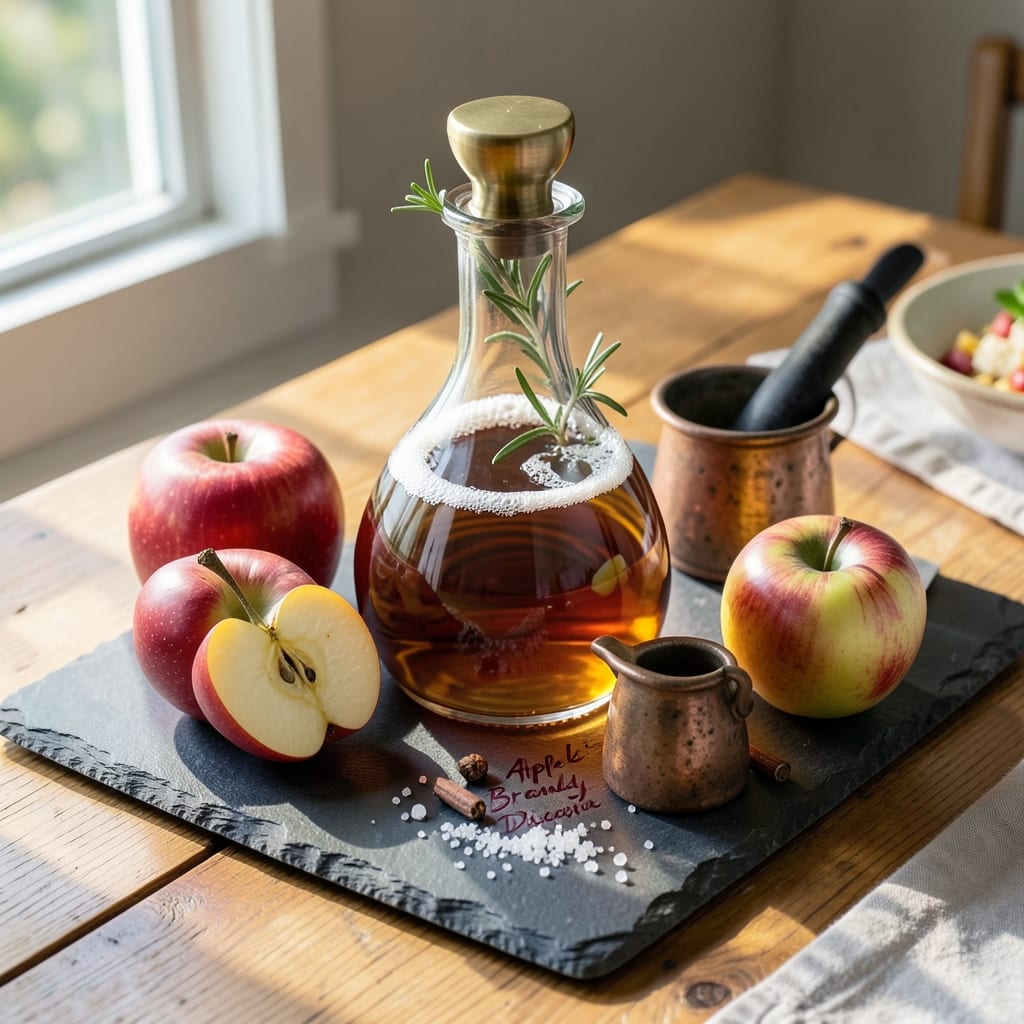
This apple brandy recipe distill transforms backyard apples into rich, caramel-forward spirits with just a few key steps. The process starts with fermenting apple wash—sweet, spiced, and ready for distillation—before aging to develop those signature deep notes. Legal considerations vary by region, so always check local laws before beginning this rewarding (but regulated) craft.
The magic happens in the fermentation stage, where sugar converts to alcohol under controlled conditions. A proper still—whether pot or column—then separates the liquid into high-proof brandy, while optional spices like cinnamon or clove add complexity during aging. Safety is critical: never distill flammable liquids near open flames, and always use proper ventilation.
What you’ll end up with is a smooth, amber-colored spirit with caramel undertones and a warm finish—perfect for sipping neat or in cocktails. The aging process (minimum 6 months) refines the harshness of raw alcohol into velvety depth, rewarding patience with every sip. This isn’t just homemade; it’s a labor of love.
For those new to distillation, start small with a 5-gallon batch to practice technique before scaling up. The equipment list includes a fermentation vessel, still, hydrometer, and aging barrels or bottles. Each step—from fruit prep to final proof—demands precision, but the result is a bottle of craftsmanship you can’t buy.
Ingredients for apple brandy recipe distill
Five pounds of fruit, a pinch of spice, and patience—this is homemade brandy magic.
| Ingredient | Amount | Notes |
|---|---|---|
| Fresh Apples (sweet varieties) 🍎 | 10 lb | Honeycrisp or Fuji preferred, peeled and chopped |
| Granulated Sugar 🍚 | 5 lb | White or brown sugar for fermentation |
| Distilled Water 💧 | 1 gallon | For dilution and fermentation |
| Active Dry Yeast 🍞 | ½ oz | Or 1 packet (2.25g), rehydrated first |
| Cinnamon Sticks 🌿 | 4 whole | For spicing during fermentation |
| Whole Cloves 🌿 | 10 pieces | For spicing during fermentation |
| Campden Tablets 💊 | 1 tablet | Metallicide for clean fermentation |
| Apple Pectin 🍇 | ¼ oz | For clarity in final product |
| Aging Barrel or Bottles 🍷 | 1 barrel | Oak or glass for aging (5-gallon minimum) |
| Proofing Alcohol (190 proof) 🥃 | 1 quart | For fortification post-distillation |
| Charcoal Filters 🔥 | 2 pieces | For final filtration |
The apples are non-negotiable—Honeycrisp or Fuji give you that perfect balance of sweetness and acidity. Local orchards often sell bulk bins, or grab a 5-pound bag from Trader Joe's if you're short on time. Peeled and chopped into even chunks, they ferment faster. Sugar is your yeast's food, so white sugar dissolves quicker than brown, but brown adds caramel notes later. The yeast? Lallemand EC-1118 if you want to splurge, but basic active dry yeast works fine. Just rehydrate it first—110°F water for 10 minutes before adding to your must.
No Campden tablets? Potassium metabisulfite powder at half the amount does the same job. Want more spice? Star anise or coriander seeds add depth—toss them in with the cinnamon and cloves. The pectin is optional but makes a clearer final product. If you skip it, expect a slightly cloudy brandy. For the aging vessel, used bourbon barrels add vanilla notes, but glass carboys are easier to clean and keep for multiple batches. The proofing alcohol? Everclear or 190-proof grain alcohol from Total Wine works perfectly.
Fermented wash keeps 2-3 weeks in the fridge if you need to pause. The aging process is where the magic happens—6 months minimum for smoothness, but 12 months+ develops richer caramel notes. Charcoal filters last 3-4 uses before they get saturated. Store your finished brandy in amber glass bottles to protect from light. Label everything—proof, date, and batch notes save you from future confusion.
Why You'll Love This Recipe
- Pantry Magic: I swear by this recipe because it uses stuff you already have—no special trips to the store. Sweet apples, sugar, and cinnamon sticks? That’s basically a spice cabinet and fruit bowl. The yeast does all the heavy lifting, so you’re not stuck with a complicated process.
- Spiced Perfection: The cinnamon sticks infuse the brandy with warmth that lingers like a cozy sweater. Honestly, the first sip tastes like autumn in a glass—sweet, rich, and just a hint of that spiced apple magic you’d expect from a fancy bakery, not your kitchen.
- Weekend or Weeknight: Make a big batch on Saturday and sip it all week—it keeps beautifully in the fridge. Or whip up a smaller batch for a last-minute holiday gift. Between us, this is the kind of thing that disappears fast at parties, but it’s just as good solo with a book.
- Budget-Friendly Luxury: Apples are cheap, sugar is cheap, and you’re not buying pre-made anything. I’ve made this for under $10 a batch, and it feels like a splurge. Plus, the leftovers? They’re the best kind—ones you’ll actually finish before they go bad.
Step-by-step instructions for crafting homemade apple brandy
Here's how to transform fresh fruit into rich, spiced brandy with caramel depth.
🍳 Step 1: Prepare and Ferment the Apple Mash
In a large sanitized fermenter, combine the 10 lb chopped apples, 3 lb granulated sugar, and 5 gallons distilled water. Stir thoroughly until all fruit is submerged and the sugar dissolves completely. This creates the base for fermentation.
Add the 0.25 cup extra-virgin olive oil, 0.5 cup lemon juice, and 1 tbsp salt, mixing well. The oil helps preserve the fruit's natural oils while the lemon juice adds acidity to balance sweetness. Let this mixture sit at room temperature for 24 hours to allow the flavors to meld.
After 24 hours, crush the 4 whole cinnamon sticks and 10 whole cloves lightly with a mortar and pestle, then add them to the fermenter. Dissolve 1 whole Campden tablet in a small amount of cool water and stir it into the mixture. This sterilizes the mash and prevents unwanted bacteria. Cover loosely and let ferment at 70-75°F for 5-7 days, stirring daily to prevent mold formation.
🍷 Step 2: Strain and Add Yeast for Primary Fermentation
After fermentation, strain the liquid through a fine mesh bag or cheesecloth into a clean fermenter, pressing gently to extract all juice. Discard the apple solids. The liquid should be cloudy with a rich apple aroma and slight effervescence.
Dissolve the 0.25 oz active dry yeast in 1 cup warm water (about 105-110°F) and let it sit for 10 minutes until foamy. Add this yeast mixture to the strained apple liquid along with the 1 whole split vanilla bean (scraped seeds included). Stir gently to distribute evenly.
Cover the fermenter with an airlock and let ferment at 68-72°F for 7-10 days, until the specific gravity drops to 0.990-0.995. You'll notice vigorous bubbling in the airlock and a strong apple aroma developing. This is when the yeast converts sugars into alcohol, creating the brandy base.
🥛 Step 3: Distill the Apple Wash
Transfer the fermented liquid to a still, ensuring all sediment stays behind. Heat the still gently to 175°F, collecting the first 1-2 gallons of distillate separately as "heads" (discard these as they contain harsh alcohols). Then collect the "heart" cut, which should be 2-3 gallons of clear, fragrant liquid with a strong apple character.
Stop distillation when the temperature reaches 200°F, as this marks the transition to "tails" (heavier, less desirable components). The heart cut should have an ABV of about 40-50%. If you're using an oak barrel for aging, transfer immediately to the barrel. For glass bottles, proceed to the next step.
🌳 Step 4: Age and Preserve the Brandy
Add 1 tbsp potassium sorbate to each gallon of distilled brandy to prevent further fermentation. If aging in an oak barrel, transfer the brandy and let it rest for 6-12 months. The oak will impart subtle vanilla and spice notes, enhancing the apple's caramel depth.
For glass bottles, age at room temperature in a dark place for 3-6 months, stirring occasionally to integrate flavors. The brandy will develop a rich amber color and complex aromas of caramel, cinnamon, and vanilla. Taste periodically—when it reaches your desired balance of sweetness and spice, it's ready to bottle.
🍾 Step 5: Bottle and Enjoy
Once aged to perfection, carefully siphon the brandy into sanitized bottles, leaving any sediment behind. Seal tightly and store in a cool, dark place. Your homemade apple brandy should have a smooth, warming finish with notes of caramel, spice, and oak.
Serve chilled as a digestif or on the rocks. For cocktails, use it straight or as a base for spiced apple martinis. The brandy will continue mellowing with age, developing even more complexity over time—just like fine wine.
Pro Tips For Making Apple Brandy Recipe Distill
- Mash Apples Thoroughly: Don’t just chop them—grind the apples into a fine pulp with a food mill or potato ricer. I learned this the hard way when my first batch had uneven fermentation because of large chunks. The smoother the mash, the cleaner the final spirit.
- Use Warm Water for Yeast: Dissolve the yeast in warm (not hot) distilled water—around 105°F (40°C)—and let it sit for 10 minutes until frothy. Cold water slows fermentation, and hot water kills the yeast. This small step guarantees your mash starts working immediately.
- Skip the Rushed Fermentation: Let the must ferment for at least 7–10 days, even if it looks done sooner. I rushed a batch to 5 days, and the flavor was harsh and unfinished. Patience here means smoother, more complex apple brandy.
- Add Cinnamon Late: Toss the cinnamon sticks into the still pot after the initial distillation, not during fermentation. This preserves their aroma and prevents them from turning the liquid bitter. A few minutes in the heat is enough—no need to overdo it.
Serving suggestions for apple brandy recipe distill
Neat Sipping
Apple brandy shines when sipped straight, especially on ice or in a chilled coupe glass—the cold temperature highlights its caramel and spice notes. I like to serve it at room temperature (around 65°F) for a richer mouthfeel, but a splash of sparkling water adds effervescence if you prefer it lighter. For a touch of elegance, garnish with a thin apple slice or cinnamon stick. 🥃
Cocktail Base
Use your homemade brandy as the star in classic cocktails like Apple Brandy Old Fashioned—mix 2 oz brandy, 1 tsp maple syrup, and 2 dashes Angostura bitters with ice, then garnish with an orange twist. For something lighter, try a Spiced Apple Martini: blend 1.5 oz brandy, 0.5 oz elderflower liqueur, and 0.5 oz apple juice, then strain into a chilled martini glass with a cinnamon rim.
Cheese Pairings
Brandy’s caramel and spice notes pair beautifully with aged cheddar, blue cheese, or brie. Serve with sharp cheddar cubes and apple slices for a simple charcuterie board. The brandy’s warmth cuts through the cheese’s richness, while the apple adds freshness. For a dessert twist, drizzle over warm apple crumble or caramelized pear slices.
Cooking Uses
Don’t limit your brandy to drinks—it’s fantastic in cooking! Deglaze pans with 2 tbsp brandy after searing pork chops or duck breast for a rich sauce. Reduce ½ cup brandy with 1 cup apple cider and 1 tbsp butter for a glossy glaze for roasted vegetables or grilled chicken. The alcohol burns off, leaving behind deep flavor. 🍖
Gift-Worthy Presentation
For a thoughtful gift, bottle your brandy in amber glass decanters with custom labels (include the batch date and aging time). Pair with spiced apple jam or dark chocolate squares for a cohesive gift set. Store in a wooden crate with cedar shavings to enhance the aroma. The presentation elevates your homemade spirit to a premium experience.
Experiment with Flavors
Infuse your brandy with vanilla beans, star anise, or dried cranberries during aging for unique twists. For a smoky note, age a portion in a charred oak barrel. Try blending with honey or ginger syrup for a spiced apple liqueur variation. The possibilities are endless—let your taste buds guide you! 🌟
Nutrition facts
Frequently asked questions
What’s the minimum aging time for drinkable apple brandy?
For a smooth, palatable brandy, age it at least 6 months—this softens harsh alcohol notes and develops caramel depth. Professional distillers recommend 12+ months for richer complexity, especially if using oak barrels. Taste monthly after 6 months to monitor progress.
Can I use store-bought apple cider instead of fresh apples?
Yes, but expect less depth. Store-bought cider lacks the natural enzymes and pectin of fresh fruit, which contribute to fermentation and clarity. For best results, stick with fresh apples or high-quality, unpasteurized cider. If using cider, add 1 extra teaspoon of pectin per gallon to improve final clarity.
How do I know when fermentation is complete?
Use a hydrometer to check the specific gravity—it should drop to 0.990-0.995 when fermentation is done. Also look for no more bubbles in the airlock (24+ hours of inactivity) and a clean apple aroma (no vinegar or sour notes). If bubbles persist, fermentation isn’t finished.
What’s the safest way to dilute high-proof brandy for drinking?
Never drink raw distillate—always dilute to 40-50% ABV with distilled water. For a 5-gallon batch, add 1 gallon water per 4 gallons brandy. Stir well and let sit 24 hours before tasting. Store in a cool, dark place until aging begins.
Can I reuse my apple brandy still for other spirits?
but thorough cleaning is critical. After use, rinse with hot water, then sanitize with star sanitizer or a 1:10 bleach-water solution. For stubborn residues, boil water in the still for 10 minutes. Never reuse without sanitizing—cross-contamination ruins batches and creates safety risks.