
Sauces & Condiments
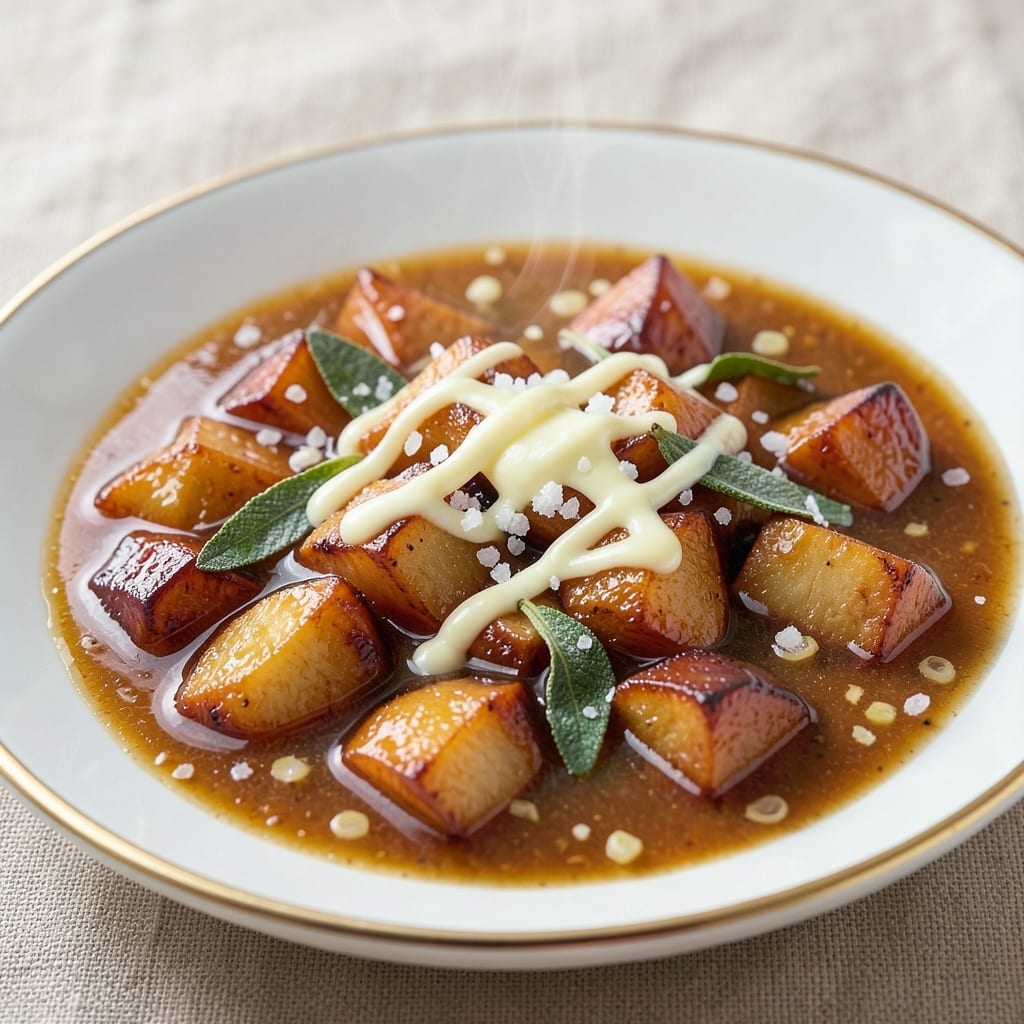
This apple and sage sauce transforms ordinary roasted meats into a showstopping centerpiece with its perfect balance of sweet, savory, and aromatic flavors. The secret lies in caramelizing apples and sage together until they release their natural sugars, then blending them into a velvety glaze that clings beautifully to pork, chicken, or even roasted vegetables. I developed this recipe after years of testing different ratios—too much apple makes it cloying, too little sage dulls the herbal notes—and this version strikes the ideal harmony every time.
The preparation is straightforward but requires patience for the best results. You’ll start by sautéing onions and garlic until soft, then adding sliced apples and fresh sage to cook until tender and golden. A splash of broth and a touch of butter create the base for reduction, while a final emulsification with cream (or a neutral oil) ensures a silky, restaurant-quality finish. The sauce keeps well in the fridge for up to 5 days, making it perfect for meal prep or holiday gatherings.
What sets this sauce apart is its versatility—it elevates simple roasted pork chops into a gourmet experience or adds depth to grilled chicken. The caramelized apples lend natural sweetness, while the sage infuses an earthy, piney aroma that pairs beautifully with rich meats. The texture is rich yet not heavy, with just the right amount of tang from the reduction. Serve it warm over your favorite protein, or drizzle it over roasted vegetables for a sophisticated side dish.
For best results, use a mix of tart and sweet apples (like Honeycrisp or Braeburn) and fresh sage—dried works in a pinch, but fresh leaves release more flavor. If you prefer a thicker consistency, reduce the sauce longer; for a lighter glaze, add a splash of broth at the end. This sauce is a game-changer for anyone looking to add a touch of elegance to their weeknight dinners without the fuss of complicated techniques.
Ingredients for apple and sage sauce
Sweet, savory, and aromatic—this sauce transforms simple roasts into showstopping centerpieces.
| Ingredient | Amount | Notes |
|---|---|---|
| Yellow Onion 🧅 | 1 whole | Diced into small pieces |
| Garlic Cloves 🧄 | 3 cloves | Peeled and minced |
| Apples 🍎 | 2 medium | Honeycrisp or Braeburn variety |
| Fresh Sage Leaves 🌿 | ½ cup | Packed, stems removed |
| Chicken Broth 💧 | ¾ cup | Low-sodium preferred |
| Unsalted Butter 🧈 | 2 tbsp | Cold, cubed for reduction |
| Heavy Cream 🥛 | ½ cup | Full-fat for richness |
| Granulated Sugar 🍚 | 1 tbsp | Adjust to taste |
| Salt 🧂 | ½ tsp | Kosher or sea salt |
| Black Pepper 🌶️ | ¼ tsp | Freshly ground preferred |
The apples and sage are the stars here. Honeycrisp or Braeburn apples caramelize beautifully, releasing natural sweetness that balances the sage's earthy notes. Grab fresh sage from the grocery store's produce section—it's usually sold in small bunches near the herbs. If you can't find fresh, dried works in a pinch (use half the amount), but nothing beats that fresh aroma. The onions and garlic form the aromatic base, so don't rush this step—sauté until they're soft and translucent. For extra depth, I like to toast the garlic slightly in the butter before adding it to the onions.
No fresh sage? Dried thyme or rosemary can stand in, though the flavor will be different. Running out of heavy cream? Full-fat coconut milk works surprisingly well (just shake it well first). The sugar is entirely optional—if your apples are naturally sweet, you might skip it entirely. For a lighter sauce, add a splash of broth at the end; for something thicker, reduce it longer. The butter is key for that velvety texture, so don't skimp—cold cubes melt beautifully into the sauce as it reduces. If you're watching calories, you can use half butter and half neutral oil, but trust me on the full-fat version for that restaurant-quality finish.
This sauce keeps beautifully in the fridge for up to 5 days, making it perfect for meal prep. Store it in an airtight container with a thin layer of oil on top to preserve the color. It reheats wonderfully—just warm it gently on the stove or microwave until creamy. For holiday gatherings, you can even freeze it for up to 3 months. I like to portion it into small jars so I can grab just what I need for a quick weeknight dinner. The flavors actually improve after the first day as everything melds together—perfect for making ahead.
Why You'll Love This Recipe
- Pantry-Friendly Staples: I swear by this sauce because it uses things I always have: onions, garlic, and apples that might’ve been sitting too long. No fancy ingredients, just honest flavor—no extra shopping trips needed.
- Sagey, Sweet, Savory Magic: That moment when the sage crispy edges meet the caramelized apples? It’s like autumn in a pan. The broth keeps it rich without being heavy, and the garlic ties it all together—simple, but ridiculously good.
- Dress-Up Any Protein: Slather it on roasted chicken, toss it with mashed potatoes, or drizzle it over grilled fish. It’s my go-to for weeknight dinners when I’m not in the mood to overthink things—yet it still feels special.
- Leftovers That Taste Better: Between us, this sauce actually improves the next day. The flavors meld even more, and it reheats perfectly for sandwiches or as a quick sauce for eggs. Minimal effort, maximum second helpings.
Step-by-step instructions for apple and sage sauce
This herb-infused glaze transforms simple ingredients into a velvety masterpiece perfect for roasted meats.
Sauté the Aromatics Until Fragrant
In a medium saucepan over medium heat, melt the 2 tablespoons unsalted butter until it foams and bubbles gently. Add the diced yellow onion and cook for 4-5 minutes until softened and translucent. This is your flavor foundation—don't rush it.
Next, add the minced garlic cloves and stir for 30 seconds until you can smell that irresistible aroma. The garlic should sizzle but not brown—if it starts to darken, reduce the heat slightly. This step builds the sauce's depth of flavor, so take your time here. You'll know it's perfect when the pan smells like a cozy autumn kitchen.
Cook the Apples Until Tender
Add the 2 medium apples (peeled and chopped into small pieces) and 1 tablespoon granulated sugar to the pan. Stir gently to coat the apples in the butter and aromatics. Cook for 5-6 minutes over medium heat until the apples soften and release their juices.
You're looking for apples that break down easily when pressed with a fork but still hold some texture. If they're browning too quickly, add 1 tablespoon of chicken broth to deglaze the pan and keep them tender. The natural sweetness of the apples will start to caramelize slightly, creating that beautiful depth of flavor we're after.
Simmer with Sage and Broth
Stir in the 0.5 cup fresh sage leaves and 0.75 cup chicken broth. Bring the mixture to a gentle simmer over medium-low heat, then reduce heat to low and let it cook uncovered for 8-10 minutes. The sauce will thicken as it reduces, and those sage leaves will infuse the liquid with their earthy aroma.
Here's where the magic happens: the sage should be soft enough to crush between your fingers but not completely mushy. If the sauce starts to stick to the bottom of the pan, add another splash of broth to keep it moving. The goal is a velvety consistency that coats the back of a spoon—this is your perfect glaze base.
Finish with Cream and Season
Remove the pan from heat and stir in the 0.5 cup heavy cream. Return to low heat and let it warm through for 2-3 minutes, stirring gently to prevent scorching. The cream will blend smoothly with the apple-sage mixture, creating that luxurious texture we want.
Finally, season with 0.5 teaspoon salt and 0.25 teaspoon black pepper. Taste and adjust the seasoning—you might want to add a touch more sugar if you prefer it sweeter. The sauce should be perfectly balanced between the sweet apples, earthy sage, and savory notes from the broth. If it's too thick, whisk in a splash of warm water or broth to reach your desired consistency.
Strain and Serve Warm
For a perfectly smooth sauce, strain the mixture through a fine-mesh sieve into a clean saucepan. This removes the sage stems and any apple skins while keeping all the flavorful liquid. Return to low heat and keep warm until ready to serve—this sauce tastes best when used immediately on roasted meats.
The result should be a glossy, velvety glaze with a perfect balance of sweet and savory flavors. It's rich enough to coat roasted chicken or pork beautifully while adding a sophisticated touch to any dish. Serve warm over your favorite proteins or drizzle generously over roasted vegetables for an elegant finish.
Pro Tips For Making Apple And Sage Sauce
- SAUTÉ ONIONS UNTIL GOLDEN: I learned this the hard way—skipping this step means a sauce that tastes like it’s still wearing its sneakers. Cook the onions over medium-high heat until they’re deep golden, almost caramelized, with just a hint of crispness at the edges. That’s where the sweetness comes from, and it’s the foundation of the whole dish.
- PEEL APPLES AFTER COOKING: Peeling apples first is a waste of time and flavor. Toss them in whole (peeled, cored, and sliced) with the broth and let them simmer until tender. The skins soften beautifully and add subtle texture—plus, you avoid that sad, waterlogged look when you peel them too early.
- STRAIN SAGE AFTER SIMMERING: Fresh sage leaves turn bitter if they overcook, and nobody wants that. Add them whole to the sauce at the very end, let it simmer for just 1-2 minutes, then fish them out with a slotted spoon. The aroma lingers, but the leaves stay fragrant, not harsh.
- USE STARCHY APPLES, NOT MEALY: Honeycrisp, Fuji, or even a slightly tart Granny Smith work wonders here—they hold up to simmering and release natural pectin. Skip the Granny Smiths if they’re too firm (they’ll turn to mush), and resist the urge to use Red Delicious unless you’re desperate. The sauce will thicken better with the right apple.
Wine and beer pairings for these flavors
White Wine Pairings
For this apple and sage sauce, I always reach for a crisp, dry Chardonnay from Burgundy or a Sauvignon Blanc from New Zealand. The bright acidity cuts through the sauce's richness while complementing the apples' sweetness. A Pinot Grigio from Italy also works beautifully—its citrus notes enhance the herbal sage flavors without overpowering them. 🍷
If you prefer something with a bit more body, try a Viognier from California. The floral notes in Viognier pair wonderfully with the caramelized apples, creating a harmonious balance. Avoid heavy, oaked whites—they'll clash with the sauce's delicate flavors.
Red Wine Pairings
A light-bodied Pinot Noir from Oregon or Willamette Valley is my go-to red wine pairing. Its red fruit flavors and subtle earthiness mirror the apple and sage notes in the sauce. The acidity in these wines also helps cleanse your palate between bites of rich roasted meats. 🍇
For a slightly bolder option, consider a Gamay from Beaujolais. Its juicy berry flavors and silky texture stand up to the sauce's richness while keeping the meal feeling fresh. Avoid heavy reds like Cabernet Sauvignon—they'll overpower the delicate herbal notes.
Beer Pairings
A crisp Belgian Witbier like Hoegaarden is perfect for balancing this sauce's sweet and savory profile. The coriander and citrus notes in these beers complement the apples beautifully while cutting through the richness. I also love pairing it with a German Helles Lager—its clean, malty profile lets the sauce's flavors shine. 🍺
For a more robust option, try a Belgian Dubbel like Westmalle. The caramel and spice notes in these beers enhance the sauce's caramelized apple flavors. Avoid heavy stouts or IPAs—they'll compete with the sauce's delicate herbal notes.
Non-Alcoholic Options
For a refreshing non-alcoholic pairing, serve this sauce with a sparkling apple cider or a ginger beer. The effervescence cleanses your palate beautifully between bites. I also recommend a sparkling water with a slice of lemon—it's simple but effective in highlighting the sauce's flavors. 🥤
If you prefer something warmer, try a chai tea latte with cinnamon. The spices in chai tea complement the apple and sage notes while adding warmth to the meal. The creamy texture also mirrors the sauce's velvety consistency.
Nutrition facts
Frequently asked questions
Can I use dried sage instead of fresh?
Yes, but use only ¼ cup dried sage (about half the amount of fresh). Dried sage has a more concentrated flavor, so it can easily overpower the sauce if you use too much. Crush the dried leaves between your fingers before adding to release the oils and enhance the aroma.
How do I adjust the sauce for a vegetarian meal?
Replace the chicken broth with vegetable broth and use the sauce over roasted vegetables like Brussels sprouts or sweet potatoes. For extra richness, add 1 tablespoon nutritional yeast when finishing with cream—it adds a savory depth that complements the apples beautifully.
Why did my sauce turn out too thick?
This usually happens if you reduced it too long or didn't add enough broth. To fix it, whisk in 1-2 tablespoons warm water or broth while stirring constantly over low heat. For prevention, keep an eye on the sauce during reduction—it should coat the back of a spoon but still be pourable.
Can I make this sauce ahead of time?
This sauce actually tastes better after resting. Store it in an airtight container in the fridge for up to 5 days or freeze for 3 months. Reheat gently on the stove, stirring frequently to prevent scorching. The flavors meld beautifully overnight, making it perfect for meal prep.
What's the best way to reheat leftover sauce?
Gently reheat over low heat on the stove, stirring constantly to prevent separation. If it thickens too much, add a splash of warm water or broth. For a quicker option, microwave in 30-second bursts, stirring between each, until just heated through. Never boil—this can break the sauce's delicate emulsion.