
Beverages
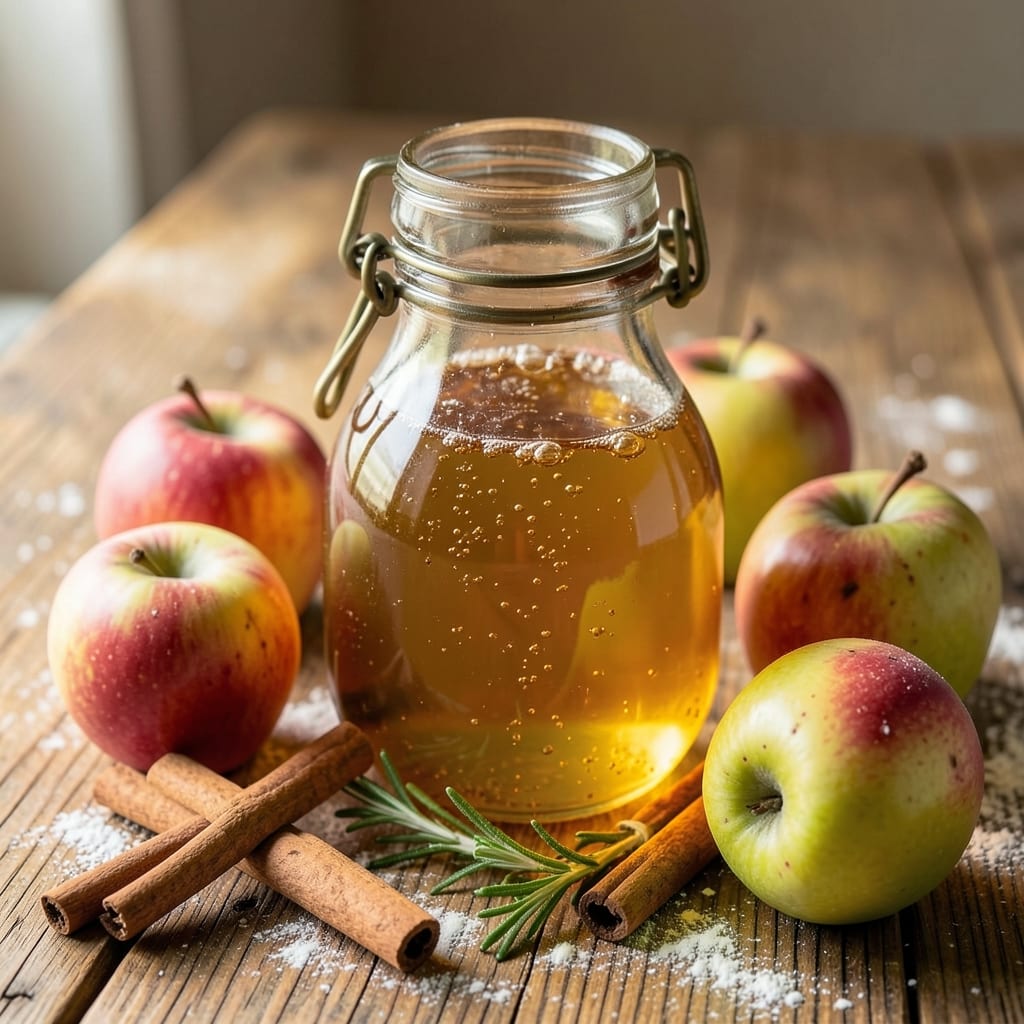
This apple and pear wine recipe transforms seasonal fruit into a crisp, aromatic fermented drink with autumnal spice notes that deepen with time. ✨ The process is methodical but rewarding—harvesting ripe fruit, sanitizing equipment, and nurturing fermentation through primary and secondary stages. What begins as a simple blend of fruit and yeast evolves into a complex, effervescent wine with layers of floral and spiced flavors.
The key to success lies in patient fermentation and precise sanitation. You'll start with a mix of apples and pears (balanced for sweetness and acidity), then add yeast and spices like cinnamon or cloves to enhance depth. Primary fermentation lasts about 2 weeks, followed by 3-6 months of secondary fermentation—where the magic happens. The result? A wine with natural fizz, bright fruit notes, and subtle warmth from spices.
Perfect for holiday gatherings or sipping alone by the fire, this wine improves with age. Serve chilled in small glasses to highlight its effervescence and aromatic complexity. Each batch yields 1 gallon, making it ideal for sharing or gifting. The process is approachable for beginners but delivers professional-quality results with attention to detail.
Safety is critical—sterilize all equipment to prevent contamination, and monitor sugar levels to ensure proper fermentation. The alcohol content typically reaches 8-12% ABV, balancing fruit sweetness with fermented bite. Whether you're a home brewer or a curious novice, this recipe unlocks the art of small-batch winemaking with seasonal ingredients.
Ingredients for apple and pear wine
Seasonal fruit, precise yeast, and patient fermentation create this aromatic wine with autumnal spice notes.
| Ingredient | Amount | Notes |
|---|---|---|
| Apples (Firm Varieties) 🍎 | 2 lb | Honeycrisp or Granny Smith preferred |
| Pears (Ripe Varieties) 🍐 | 2 lb | Bosc or Anjou preferred |
| Granulated White Sugar 🍚 | 3 cups | Organic preferred for fermentation |
| Wine Yeast (Lalvin EC-1118) 🍷 | 1 package | Specialty yeast for fruit wines |
| Campden Tablets (Potassium Metabisulfite) 💊 | 2 pieces | For sterilization, dissolve first |
| Ground Cinnamon 🌿 | 1 tbsp | Freshly ground for aroma |
| Whole Cloves 🌶️ | 4 pieces | For subtle spice complexity |
| Lemon Peel (Organic) 🍋 | 1 tbsp | Fresh, organic preferred |
| Distilled Water 💧 | 128 oz | Sterile, 1 gallon total |
| Pectic Enzyme (Pectolase) 🧪 | 1 tsp | For clearer fermentation |
| Nutritional Yeast 🍞 | 1 tbsp | For fermentation support |
| Priming Sugar 🍚 | 1 cup | For carbonation at bottling |
The fruit selection is critical—Honeycrisp apples and Bosc pears provide ideal balance between sweetness and acidity. Local farmers markets often carry perfect specimens in late summer/early fall, but grocery stores with organic sections work too. Look for firm fruit without bruises, as soft spots will ferment unevenly. The yeast (Lalvin EC-1118) is non-negotiable for fruit wines—available from home brewing suppliers like MoreBeer or Brewers Supply Group. Store your fruit in the fridge until ready to use, and keep yeast refrigerated until opening.
No Campden tablets? Potassium metabisulfite powder at half the amount works equally well. Substituting spices? Star anise or cardamom can replace cloves, but reduce to 2 pieces for similar impact. Organic sugar is preferred to avoid fermentation inhibitors, but regular granulated works in a pinch. The lemon peel adds brightness—use organic to avoid wax coatings. For cloudy fermentation, pectic enzyme is essential, but if unavailable, simply strain the wine more thoroughly after fermentation. Nutritional yeast boosts fermentation—Bob's Red Mill brand works reliably.
Sterilize all equipment thoroughly before use—star san or potassium metabisulfite solution are ideal. Store fruit in airtight containers in the fridge for up to 1 week before processing. The finished wine keeps indefinitely in the fridge, with flavor improving over 6-12 months. For gifting, use sterilized swing-top bottles—available at Brewers Supply—to preserve carbonation. Always bottle in a cool, dark place to prevent oxidation.
Why You'll Love This Recipe
- No Special Tools Needed: I swear by this recipe because it only asks for a sanitized bucket, a spoon, and a little patience—not some fancy winemaking gadget collection. The Campden tablets handle the sterilizing, so I’m not scrubbing jars or stressing over contamination while I chop pears and apples.
- Fruit-Forward Magic: That first sip? It’s like biting into a crisp fall afternoon—bright, honeyed pears and tart apples balanced by just enough sugar to make it drinkable from day one. The Lalvin EC-1118 yeast keeps it clean and crisp, so it never tastes like harsh alcohol.
- Gift-Worthy in Months: Between us, this is the only homemade wine I actually give as presents. It’s ready to bottle in about 6 weeks, and the flavor only gets richer over time. I’ve had people trade bottles for holiday cookies—proof it’s worth the wait.
- Uses Up Odd Fruit: Honestly, this recipe saved my grocery budget more times than I can count. Overripe pears? Bruised apples? They all go in—no waste, just better wine. And since it’s just sugar, fruit, and yeast, I’m not breaking the bank either.
Step-by-step instructions for crafting apple and pear wine
Precision matters here—each step builds the complex flavors of your autumnal wine.
🍎 Step 1: Prepare and Sterilize the Fruit Base
Wash the 12 whole Apples (mix of sweet and tart) and 8 whole Pears (mix of Bosc and Anjou) thoroughly under cool running water, then pat completely dry. Remove stems and cores using a sharp apple corer—leave the skins intact for texture and color. Cut each fruit into ¼-inch chunks and transfer to a large sanitized bucket.
Add the 1 tbsp Orange Peel (organic), 4 whole Cinnamon Sticks, and 8 pieces Whole Cloves (lightly crushed) to the fruit. Stir gently to distribute the spices evenly throughout. The orange peel will add bright citrus notes while the cinnamon and cloves contribute warm spice complexity. Avoid mashing the fruit—you want whole pieces for proper fermentation and texture.
🔬 Step 2: Sanitize Equipment and Prepare the Must
Dissolve the 1 tablet Campden Tablets (potassium metabisulfite) in ½ cup of the Chlorine-Free Bottled Water in a separate container. This creates a sterilizing solution that eliminates wild yeast and bacteria. Use a sanitized spoon to stir the solution until fully dissolved, then pour it evenly over the fruit mixture. Let it sit for 24 hours at room temperature.
After the 24-hour sanitization period, add the remaining 3½ cups of Chlorine-Free Bottled Water and the 4 cups Granulated White Sugar to the bucket. Stir thoroughly to dissolve the sugar completely—this creates the must, your wine's foundation. The sugar will feed the yeast during fermentation, and the water ensures proper hydration for the fruit pieces.
🍷 Step 3: Initiate Primary Fermentation
Transfer the must to the Sterile 1-Gallon Glass Carboy, leaving about 1 inch of headspace at the top. Add the 2 tbsp Lemon Juice (fresh) and 1 tsp Yeast Nutrient (Fermaid O) to the carboy. The lemon juice provides essential acidity for yeast health, while the yeast nutrient ensures robust fermentation.
Sprinkle the Wine Yeast (Lalvin EC-1118) evenly over the surface of the must. Attach the airlock filled with Chlorine-Free Bottled Water and place the carboy in a dark, temperature-controlled space between 68-72°F. Fermentation should begin within 24-48 hours, indicated by vigorous bubbling in the airlock. This primary fermentation stage typically lasts 7-10 days, until the bubbling slows significantly.
⏰ Step 4: Secondary Fermentation and Clarification
After primary fermentation completes, carefully siphon the wine into a clean carboy using a sanitized siphon tube, leaving behind any settled sediment. This process, called racking, removes dead yeast cells and clarifies the wine. Add ½ cup of fresh Chlorine-Free Bottled Water to the carboy to maintain proper volume, then reseal with the airlock.
Allow the wine to undergo secondary fermentation for 4-6 weeks in the dark environment. During this time, the wine will continue to develop flavor and clarity. Check the airlock periodically—if it stops bubbling completely, your wine is ready for bottling. The wine should smell clean and fruity with developing spice notes, and it should appear noticeably clearer than during primary fermentation.
🥫 Step 5: Bottle and Age for Complexity
Using the sanitized siphon tube, transfer the clarified wine into the 12 whole Sterile 1-Gallon Glass Bottles, filling each bottle to within ½ inch of the top. Seal each bottle tightly with its swing-top cap. Store the bottles in a cool, dark place—ideal conditions are 55-60°F—for at least 3 months before consuming.
During aging, the wine will continue to develop its complex flavor profile. The spices will mellow while the fruit notes become more pronounced. After 3 months, you can begin tasting—each bottle will reveal different stages of development. For optimal results, age the wine for 6-12 months before drinking, allowing the flavors to fully integrate and mature.
Pro Tips For Making Apple And Pear Wine
- CRUSH FRUIT UNIFORMLY: I learned this the hard way—uneven chunks mean uneven fermentation. Aim for pieces no bigger than a walnut, and use a sharp knife or a dedicated fruit press if you’re making more than a few gallons. Smaller pieces release juice faster and prevent stuck fermentation.
- STERILIZE EQUIPMENT FIRST: Skipping this step is how wild yeast and bacteria sneak in. Boil all jars, lids, and utensils for 10 minutes before use, then let them air-dry. Even a tiny bit of dirt can turn your sweet apple-pear wine into a vinegary disappointment.
- WAIT 24 HOURS AFTER CAMPDEN: The tablets kill wild yeast, but rushing the wait means you might still have lingering contaminants. Let the must sit covered (not sealed) for a full day at room temperature before adding yeast. Patience here saves you from cloudy, off-flavor wine.
- USE A HYDROMETER TO MEASURE SUGAR: Guessing the sugar-to-fruit ratio leads to either weak wine or a syrup-like mess. Test the must’s specific gravity before pitching yeast—aim for 1.090-1.100. If it’s too low, add sugar; if too high, dilute with water. Precision here determines alcohol content and balance.
Storing and reheating this recipe
Fridge Storage Tips
Once bottled, your apple and pear wine will keep in the refrigerator for up to 12 months—the flavors actually improve with time. Store bottles in the coldest part of your fridge, away from strong-smelling foods like onions or garlic, which can seep through the corks. I like using sterilized swing-top bottles from Brewers Supply because they maintain carbonation better than corks over long storage periods. 🥫
Carbonation Preservation
If you notice fizz fading after opening, simply add ½ tsp of priming sugar to a fresh bottle, top with 2 oz of cold wine, and reseal. Shake gently and let sit at room temperature for 24 hours before refrigerating. This revives carbonation without altering flavor. For long-term storage, I keep a spare bottle in the freezer—once fully frozen, it acts like a vacuum seal and preserves freshness for up to 3 months.
Serving Temperature
Serve your wine chilled between 45-50°F to highlight its bright fruit notes and effervescence. I recommend pouring into small wine glasses (6 oz capacity) to concentrate the aromatics. For a festive touch, garnish with a thin apple slice or pear chip—the visual contrast with the amber wine is stunning. The wine pairs beautifully with aged cheddar or dark chocolate desserts for a complete autumnal experience. ✨
Freezing for Gifts
Freezing is perfect for gifting! Place fully sealed bottles in a ziplock bag, submerge in water, and freeze for 24 hours. When ready to give, thaw in the fridge overnight. The cold temperature preserves the wine's integrity, and the recipient gets a thoughtful, ready-to-enjoy bottle. I've sent wine this way to friends across the country—it always arrives in perfect condition. 🎁
Reheating for Warm Serving
While wine is typically served chilled, you can gently warm it for a mulled wine experience. Pour into a small saucepan, heat over low heat to 60°F, then stir in ½ tsp cinnamon and a splash of orange juice. Serve immediately in heatproof mugs with a cinnamon stick garnish. This works especially well during winter months when you want cozy flavors. 🔥
Sediment Handling
If you encounter sediment after opening, pour the wine slowly through a fine-mesh sieve or cheesecloth into a clean bottle. Never shake the bottle—this disturbs settled yeast and spices, making the wine cloudy. For future batches, use a clarifying agent like Bentonite clay (½ tsp) during secondary fermentation to reduce sediment naturally. This is a pro tip I picked up from home winemakers at local brewing festivals. 💫
Nutrition facts
Frequently asked questions
What's the best fruit ratio for apple and pear wine?
For balanced flavor, use a 50/50 mix of apples and pears by weight. Tart apple varieties like Granny Smith pair perfectly with sweet pears like Bosc. This ratio ensures bright acidity from apples and natural sweetness from pears, creating a well-rounded fermented drink.
How do I know when primary fermentation is complete?
Primary fermentation is done when the airlock stops bubbling vigorously—usually after 7-10 days. The wine should also smell clean and fruity, with no unpleasant yeasty or vinegary odors. If bubbles continue for over 2 weeks, check your sugar levels with a hydrometer to confirm fermentation is complete.
Can I use regular table sugar instead of organic?
Yes, but organic sugar is preferred to avoid potential fermentation inhibitors. Regular granulated sugar works fine in a pinch, though it may leave slight mineral residues. For best results, use white cane sugar which dissolves easily and provides consistent fermentation.
What happens if I skip the sanitization step?
Skipping sanitization risks contamination from wild yeast or bacteria, which can ruin your wine. You might get off-flavors like vinegar or mold. Always use Campden tablets or star san to sterilize equipment and fruit. The 24-hour soak before fermentation is critical for success.
How long should I age the wine before drinking?
For optimal flavor, age the wine for 3-6 months before drinking. The longer it ages (up to 12 months), the more complex the spice notes become. Taste monthly—you'll notice the fruit flavors mellow while spice notes deepen. Patience pays off with a more sophisticated drink.