
Desserts
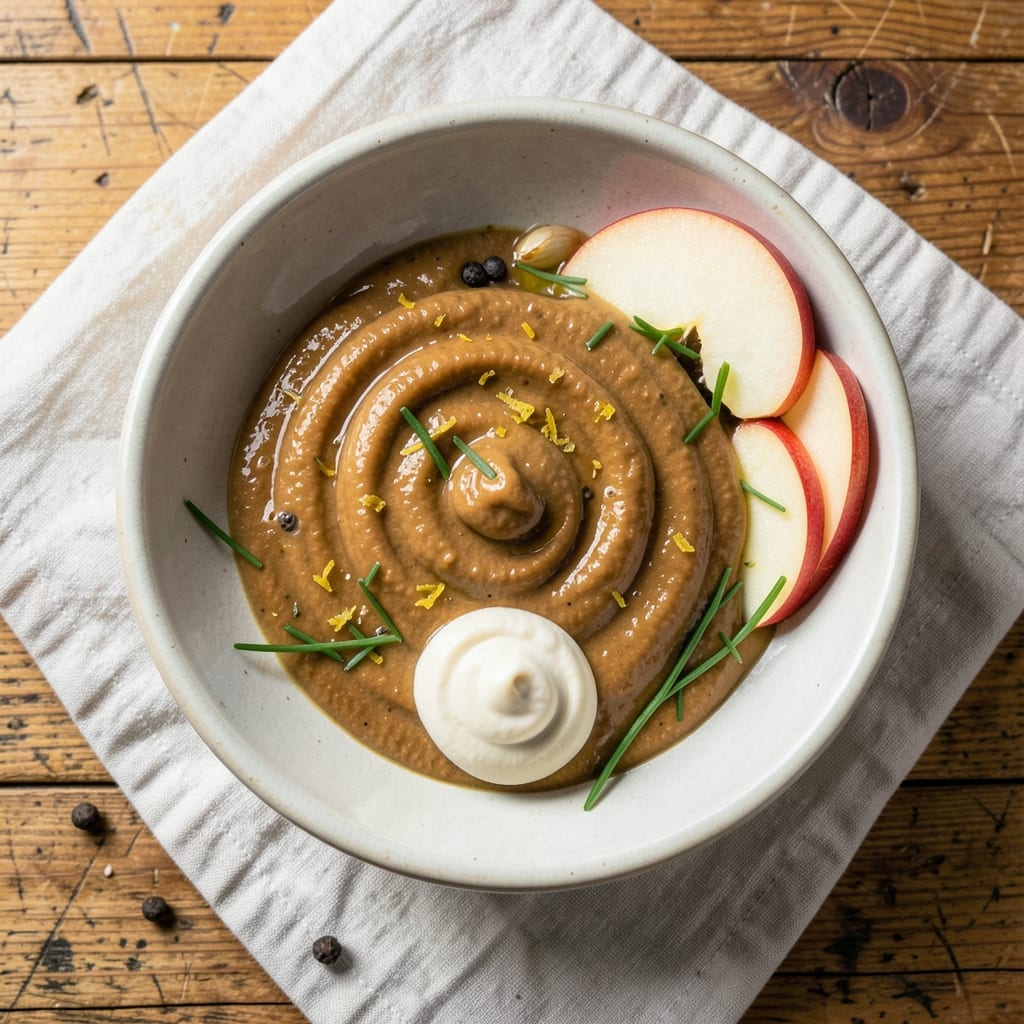
This apple aioli recipe transforms ordinary dishes into something extraordinary with its perfect balance of sweet and tangy flavors. The secret lies in emulsifying garlic-infused oil with apple purée and egg yolks, creating a silky, velvety sauce that clings beautifully to everything from fries to seafood. I developed this recipe after craving a dip that could stand up to both sweet and savory flavors—without overpowering either.
The magic happens when you blend fresh apple purée with a classic aioli base, adding a subtle sweetness that harmonizes with garlic and lemon. This isn’t just a dip—it’s a versatile condiment that works as a sandwich spread, a seafood companion, or a gourmet upgrade for loaded potatoes. The emulsification technique ensures a smooth, creamy texture that stays stable, even when mixed with bold ingredients.
What sets this apple aioli apart is its ability to elevate simple dishes to restaurant-quality. The acidity from lemon and apple cider balances the richness, while a touch of Dijon mustard adds depth. Store it in the refrigerator for up to 5 days, or freeze for longer shelf life—though you’ll likely use it all before then. It’s the kind of sauce that makes every bite feel special.
Whether you’re serving it as a dip, a spread, or a glaze, this apple aioli brings a bright, fruity twist to classic flavors. The instructions are straightforward, and the ingredients are simple—just a few pantry staples and fresh apple purée. Let’s make something unforgettable.
Ingredients for apple aioli
Six ingredients blend into a velvety sauce that transforms ordinary dishes into extraordinary creations.
| Ingredient | Amount | Notes |
|---|---|---|
| Extra-Virgin Olive Oil 🫒 | ¾ cup | High-quality, fruity variety |
| Fresh Apple Purée 🍎 | ½ cup | Unsweetened, from 2-3 apples |
| Large Egg Yolks 🥚 | 3 whole | Freshly separated, room temperature |
| Garlic Cloves 🧄 | 2 cloves | Fresh, minced for infusion |
| Fresh Lemon Juice 🍋 | 2 tbsp | Strained, no pulp |
| Dijon Mustard 🌶️ | 1 tbsp | Mild or strong preference |
| Apple Cider Vinegar 🍏 | 1 tbsp | For tangy balance |
| Salt 🧂 | ½ tsp | Diamond Crystal preferred |
| Black Pepper 🌶️ | ¼ tsp | Freshly ground for aroma |
| Granulated Sugar 🍚 | 1 tsp | Adjust to apple sweetness |
The olive oil is the foundation—look for extra-virgin with a fruity, peppery finish. Trader Joe's and Whole Foods carry excellent options, but any high-quality brand works. Fresh apple purée is key; canned works in a pinch, but homemade from sweet-tart apples like Honeycrisp or Fuji delivers the best flavor. The egg yolks must be fresh and room temperature—they emulsify the sauce. If you're prepping ahead, separate them up to 2 days in advance and store in the fridge. For garlic, roast it first for a sweeter, deeper flavor that won't overpower the apple's brightness.
No fresh apples? Unsweetened applesauce from a can works, though it lacks the freshness. Short on Dijon mustard? Yellow mustard thinned with water mimics the texture. The apple cider vinegar can be swapped for white vinegar or lemon juice, but the tanginess will differ slightly. For a sweeter aioli, add an extra teaspoon of sugar or honey. If you're making this ahead, omit the lemon juice until serving—it prevents the emulsification from breaking. The sugar is optional but balances the acidity beautifully; skip it if your apples are naturally sweet.
This aioli keeps beautifully—up to 5 days in the fridge when stored in an airtight container with a thin layer of oil on top. For longer storage, freeze in ice cube trays and transfer to a bag; thaw in the fridge. The texture may separate slightly after freezing, but a quick whisk brings it back together. Use it as a dip for fries, a spread for sandwiches, or a glaze for roasted vegetables. The flavor actually improves after a day as the ingredients meld together, so make it the night before for the best results.
Why You'll Love This Recipe
- No Blender Needed: I’ll admit, I skipped the food processor for years—until I realized you can just whisk the apple purée into the yolks. That’s it. No pulsing, no scraping, just smooth magic in minutes.
- Sweet-Savory Magic: The lemon cuts through the apple’s natural sweetness while the garlic roasts in the olive oil until it’s fragrant and mellow—not overpowering, just there. That balance? It’s what makes this dip addictive.
- Weeknight Superstar: Spread it on grilled chicken, drizzle it over roasted veggies, or slather it on toasted baguette slices. Honestly, I’ve used it for all three in the same week, and it never gets old.
- Lasts All Week: Between us, I make a double batch every Sunday. The aioli keeps in the fridge for five days, and the flavor only deepens—especially if you add a splash of lemon before serving. Zero waste, all win.
Step-by-step instructions for apple aioli
This sweet-tart aioli comes together with simple technique and bold flavors.
Infuse the Olive Oil with Garlic
Heat the 0.75 cup extra-virgin olive oil in a small saucepan over low heat. Add the 2 minced garlic cloves and cook for 3-4 minutes until the garlic is fragrant but not browned. Watch closely—garlic burns quickly, and you want a gentle aroma, not bitterness.
Remove the pan from heat immediately and let the infused oil cool slightly. Strain out the garlic using a fine-mesh sieve, pressing gently to extract every drop of flavor. This step builds the aromatic foundation of your aioli. If you prefer a stronger garlic flavor, you can leave the minced pieces in the oil for an extra minute, but be prepared to taste test and adjust the balance later.
Whisk Egg Yolks and Seasonings
In a medium heatproof bowl, whisk together the 3 whole egg yolks, 0.5 cup fresh apple purée, 2 tbsp fresh lemon juice, 1 tbsp Dijon mustard, 1 tbsp apple cider vinegar, 0.5 tsp salt, 0.25 tsp black pepper, and 1 tsp granulated sugar. The mixture should be smooth and pale yellow, with the apple purée giving it a subtle, creamy texture.
Place the bowl over a pot of barely simmering water (double boiler method) and whisk constantly. This gentle heat will warm the yolks without scrambling them. Keep whisking until the mixture reaches 160°F on an instant-read thermometer and thickens slightly—about 5-7 minutes. You're looking for a ribbon-like consistency where the mixture holds its shape when the whisk is lifted.
Emulsify with the Infused Oil
With the bowl still over the warm water, very slowly drizzle in the 0.75 cup infused olive oil while whisking vigorously. Start with just a few drops, then gradually increase the flow to a thin stream. The key is patience—adding oil too quickly will break the emulsion and leave you with a separated sauce.
Continue whisking until the aioli thickens and becomes creamy. You'll notice it transform from a thin liquid to a glossy, velvety dip. If the aioli starts to curdle or looks too thick, add 1-2 teaspoons of warm water to loosen it. The final texture should be smooth, with a balance of sweet apple, tangy vinegar, and rich olive oil. Taste and adjust seasoning if needed—add a pinch more salt or sugar to fine-tune the sweet-tart profile.
Pro Tips For Making Apple Aioli
- Temper the yolks: Whisk your egg yolks with a splash of cold apple purée first—about 1 tablespoon—before adding any hot oil. I learned this the hard way when my aioli broke into scrambled eggs mid-emulsion, and now I swear by it to keep things smooth.
- Use raw garlic paste: Mince your garlic cloves into a paste with a pinch of salt before cooking—no need to sauté it. Raw garlic blends in better and adds depth without burning, which can turn your aioli bitter if you overcook it.
- Strain the purée: If your apples have any fibers or skins in the purée, strain it through a fine-mesh sieve. I skipped this once and ended up with a slightly grainy aioli that didn’t feel as silky—worth the extra 30 seconds.
- Finish with olive oil: Reserve 1-2 tablespoons of your extra-virgin olive oil to drizzle in at the very end. It brightens the flavor and adds a luxurious finish, like a little insurance policy against a flat-tasting aioli.
Make-ahead tips for this dish
Refrigerator Prep
Store your apple aioli in an airtight container with a thin layer of extra-virgin olive oil on top to prevent oxidation. This keeps it fresh for 5 days in the fridge, with flavors actually deepening overnight. I like using glass jars with silicone lids—they’re sturdy and easy to seal. Label with the date to track freshness, and give it a gentle stir before serving to restore that silky texture. 💛
Freezer Storage
For longer storage, freeze the aioli in ice cube trays—it thaws perfectly for dipping sauces or spreads. Transfer the cubes to a ziplock bag with all air removed, then store for up to 3 months. Thaw overnight in the fridge and whisk vigorously to re-emulsify. If it separates slightly, add 1 tsp warm water and whisk until smooth again. This method preserves the apple’s brightness beautifully. ❄️
Batch Prep Tips
Double the recipe and store half in the fridge for 3-4 days while using the other half immediately. The emulsification holds up well when refrigerated, but avoid freezing the full batch—it’s easier to thaw smaller portions. I often make a big batch on Sundays to use all week: as a fries dip, seafood sauce, or sandwich spread. The key is keeping the lemon juice separate until serving to maintain stability. 🍽️
Reheating Secrets
Reheat gently on the stovetop over low heat for 2-3 minutes, stirring constantly. Never microwave—it can break the emulsion. If it thickens too much, add 1-2 tsp warm water to restore creaminess. For a restaurant-style finish, drizzle with a touch of apple cider vinegar or a pinch of salt to brighten the flavors. This method keeps the texture velvety and the taste vibrant. 🔥
Day-Old Flavor Boost
The aioli tastes even better after 24 hours as the flavors meld. For a quick upgrade, add 1 tsp fresh lemon juice or a sprinkle of smoked paprika before serving. This works especially well for loaded potato dishes or as a tartar sauce for fish. The acidity cuts through the richness, balancing the sweet apple notes perfectly. Trust me—your taste buds will thank you. ✨
Equipment Must-Haves
Use a handheld immersion blender for a smoother texture if you prefer no lumps. A fine-mesh sieve is essential for straining garlic-infused oil cleanly. For emulsifying, a whisk with a long handle gives you better control. I also recommend a small saucepan with tight-fitting lid for the double boiler setup—it keeps heat consistent and prevents spills. These tools make prep effortless. 💡
Nutrition facts
Frequently asked questions
Can I make this apple aioli without eggs?
Yes! Use 3 tablespoons of aquafaba (chickpea brine) or 1/4 cup vegan mayo as a substitute. For a more stable emulsion, whisk the aquafaba with 1 teaspoon of cornstarch first to mimic the binding properties of egg yolks. The texture will be slightly lighter but still delicious for dipping or spreading.
Why did my aioli separate?
This usually happens when oil is added too quickly or the mixture cools too fast. To fix it, whisk in 1 teaspoon of warm water or lemon juice while gently reheating the aioli over a double boiler. For prevention, keep the bowl warm while adding oil and avoid cold ingredients. A splash of apple cider vinegar can also help re-stabilize the emulsion.
What's the best way to use leftover apple aioli?
Transform it into a glaze for roasted chicken or pork tenderloin by simmering 1/4 cup of aioli with 1 tablespoon honey for 5 minutes. It also makes an amazing sandwich spread—try it on grilled cheese with sharp cheddar and apple slices. For a quick upgrade, mix with 1 teaspoon of smoked paprika for a BBQ-inspired twist.
Can I substitute apple cider vinegar?
Yes, but the flavor will change slightly. Use white vinegar for a sharper tang or lemon juice for a brighter note. For a milder option, try rice vinegar, though it lacks the apple depth. Adjust the amount to taste—start with 1 tablespoon and add more if needed. The key is balancing sweetness and acidity.
How do I make this aioli spicier?
Add 1/2 teaspoon of cayenne pepper or 1 teaspoon of hot sauce to the finished aioli. For heat with depth, stir in 1/2 teaspoon of crushed red pepper flakes while the mixture is still warm. If you love smoky flavors, a pinch of smoked paprika adds complexity without overpowering the apple's sweetness.